
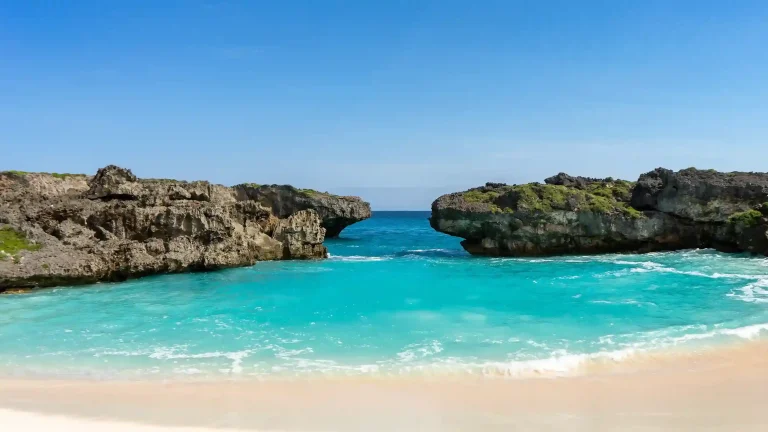
Sumba Travel Budget: How Much Does a Private Tour Actually Cost?
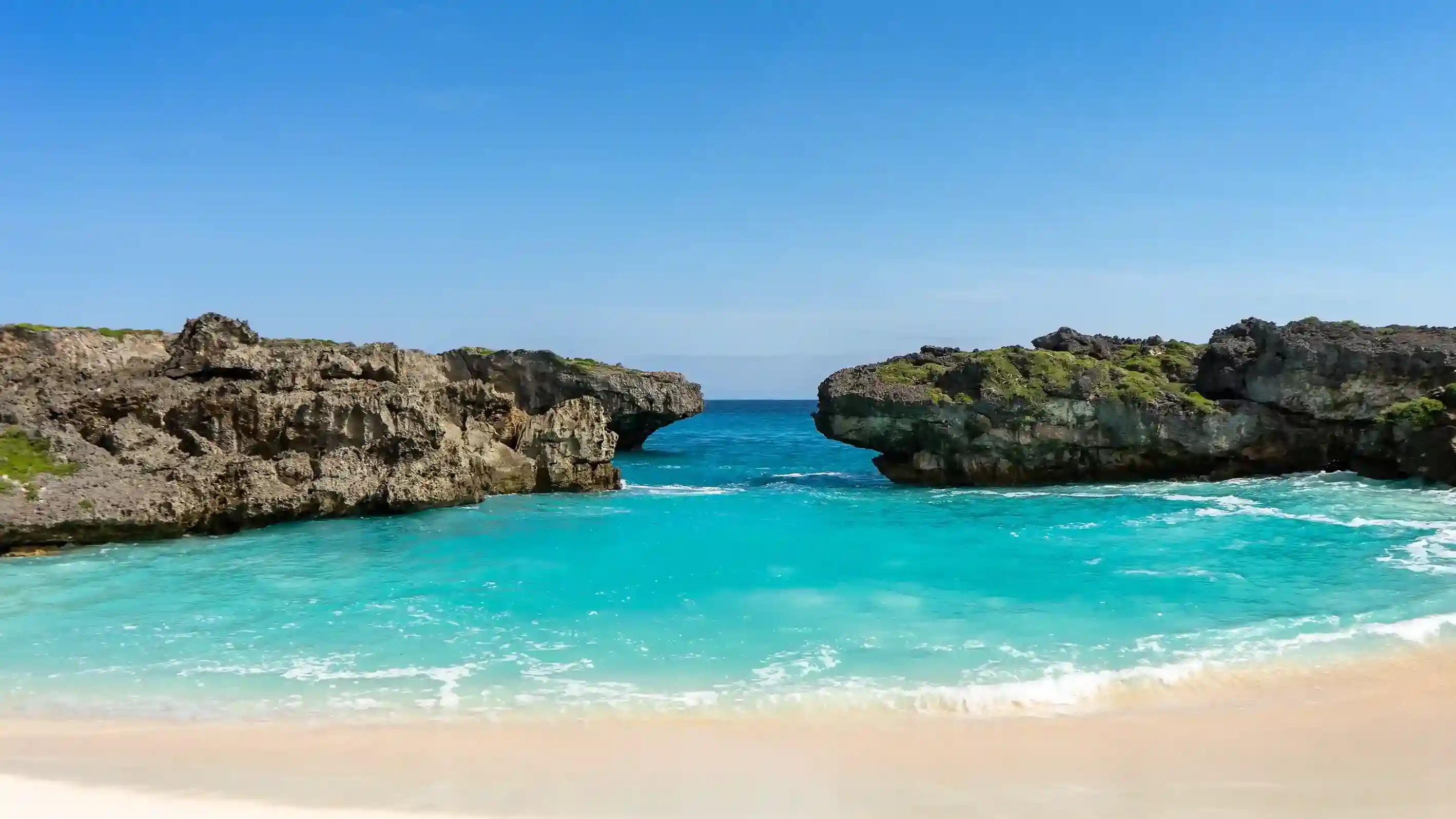
A comprehensive understanding of your **Sumba travel budget** is the first step towards an unforgettable journey on this unique Indonesian island. For many travellers, the question of “how much does a Sumba trip cost?” can feel elusive, given Sumba’s less-trodden path compared to Bali or Lombok. We break down the costs for a private tour, offering transparent estimates so you can prepare for an authentic and culturally respectful experience.
Sumba rewards the prepared. This island isn’t a budget backpacker’s typical trail, primarily due to infrastructure. Even a “budget” approach often necessitates private transport, making a detailed understanding of the **Sumba Island budget** crucial. Let’s delve into the actual expenses involved in a private tour, providing a realistic **Sumba tour price estimate**.
Understanding Your Sumba Travel Budget: Key Components
Building a realistic **sumba travel budget** involves several core components. Each element contributes to the overall **cost of visiting Sumba**, and understanding these parts will help you tailor a trip that aligns with your expectations and financial planning.
Flights to Sumba: Gateway Costs
Your journey to Sumba typically begins with a flight from Bali (Denpasar, DPS) to one of Sumba’s two main airports: Tambolaka (TMC) in West Sumba or Waingapu (WGP) in East Sumba. Direct flights are the norm, usually operated by domestic carriers like Garuda Indonesia, Lion Air/Wings Air, or Citilink.
* **Bali (DPS) to Tambolaka (TMC) / Waingapu (WGP) Return:** Expect indicative return flight prices to range from IDR 1,500,000 to IDR 3,500,000 per person (approximately USD 100 – USD 235), depending on the airline, booking class, and how far in advance you purchase your tickets. Prices tend to be higher during peak seasons (July-August, December-January) and around major Indonesian holidays. Booking at least 2-3 months ahead is advisable, especially for specific dates or Pasola season. These figures were last verified June 2026.
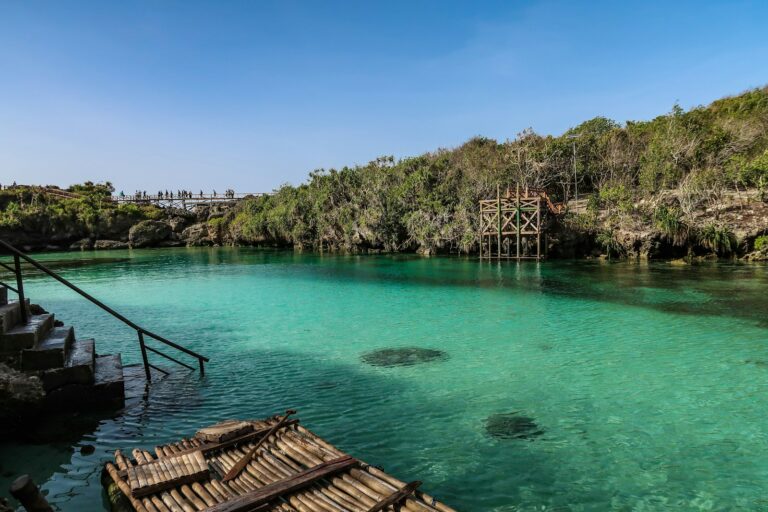
Keep in mind that while Waingapu (WGP) is technically the provincial capital, Tambolaka (TMC) often serves as the more convenient entry point for exploring West Sumba’s popular attractions like Weekuri Lagoon, Ratenggaro Village, and Lapopu Waterfall.
Accommodation: Comfort Tiers on Sumba
Sumba’s accommodation landscape is evolving, offering options from basic guesthouses to more refined eco-lodges. Unlike Bali, you won’t find an abundance of international chain hotels or sprawling resorts. The charm lies in locally-run establishments and boutique properties.
* **Budget Accommodation (IDR 250,000 – IDR 500,000 / night):** This tier typically includes local guesthouses (penginapan) or homestays. You can expect basic, clean rooms, often with a fan or simple air conditioning, and sometimes an ensuite bathroom with a cold shower. Meals are frequently included or available for a small additional cost. These options are primarily found in main towns like Waikabubak, Tambolaka, or Waingapu, and occasionally in more remote villages. Last verified June 2026.
* **Mid-Range Accommodation (IDR 750,000 – IDR 1,500,000 / night):** This category offers more comfortable guesthouses, small boutique hotels, or well-maintained bungalows. Rooms usually feature air conditioning, hot water, and a higher standard of amenities. Many mid-range options are family-run, providing a warm, personal touch and often serving excellent local food. You might find these closer to popular sites or in slightly more developed areas. Last verified June 2026.
* **Higher-End Accommodation (IDR 2,000,000 – IDR 5,000,000+ / night):** For those seeking more luxury and unique experiences, Sumba offers a few exceptional eco-lodges and resorts. These properties often focus on sustainability, design, and immersive cultural experiences. They provide superior comfort, gourmet dining, and often include activities or private access to certain areas. These are fewer in number and tend to book out quickly. Last verified June 2026.
The choice of accommodation significantly impacts your overall **sumba travel budget**. Consider what level of comfort and amenities you prioritize for your Sumba adventure.
Essential Ground Transport: Guide and Driver
This is where Sumba travel truly distinguishes itself. Public transport on Sumba is minimal and not practical for independent exploration, especially for those on a limited timeframe or seeking specific cultural experiences. Hiring a private guide and driver is not merely a convenience; it’s a necessity for navigating the island efficiently and respectfully.
* **Private Guide + Driver + Vehicle (USD 80 – USD 120 / day):** This rate (last verified June 2026) covers the vehicle rental, fuel, the driver’s salary, and importantly, the guide’s expertise. A good local guide is invaluable. They bridge language barriers, explain Marapu cultural nuances, navigate challenging roads, facilitate interactions with villagers, and ensure you visit sites respectfully. Their knowledge transforms a drive into an educational journey. When you factor in the cost of fuel, vehicle maintenance, and the local insights provided, this daily expense is a worthwhile investment in your **sumba tour price estimate**.
Without a private vehicle and guide, accessing remote villages, waterfalls like Lapopu, or even the expanse of Weekuri Lagoon becomes incredibly challenging, if not impossible. Even for those seeking a “budget” experience, the requirement for private transport remains a significant, unavoidable factor in the **how much does Sumba trip cost** equation.
Entrance Fees and Local Contributions
While not exorbitant, various sites on Sumba require small entrance fees or local contributions. These payments directly support the communities and maintenance of the locations. Your guide will handle these transactions.
* **Indicative Entrance Fees (IDR 10,000 – IDR 50,000 per person per site):**
* **Weekuri Lagoon:** A small fee for access and parking.
* **Lapopu Waterfall:** A small fee for access and to support local upkeep.
* **Ratenggaro Village:** A donation is customary, and sometimes a small fee for photography.
* **Praijing Village:** Similar to Ratenggaro, a donation is expected.
* **Wairinding Hill:** Often a small local contribution.
These fees, while minor individually, accumulate over several days. They are an important part of your **Sumba Island budget**, directly contributing to the local economy. Always be ready with small denominations of Indonesian Rupiah. Last verified June 2026.
Food and Drink: Savoring Sumba
Sumba’s culinary scene is authentic but less developed in terms of diverse restaurant options, especially outside of Waikabubak or Waingapu. Most meals will be at your accommodation or at local warungs (small, local eateries).
* **Budget for Food and Drink (IDR 150,000 – IDR 300,000 per person / day):**
* **Guesthouse Meals:** Many guesthouses offer breakfast included, and often provide lunch and dinner for an additional, reasonable fee (e.g., IDR 50,000 – IDR 100,000 per meal). These meals are typically simple, home-cooked Indonesian fare, often featuring rice, vegetables, and chicken or fish.
* **Warungs:** Local warungs offer very affordable meals (IDR 20,000 – IDR 50,000 per dish). These are excellent for experiencing local flavors.
* **Bottled Water and Snacks:** Essential for staying hydrated and energized on the road. Factor in IDR 20,000 – IDR 50,000 per day for these.
If you opt for higher-end accommodation, meal prices will naturally be higher but often reflect a more varied menu and better ingredients. The **Sumba travel budget** for food largely depends on your chosen accommodation and willingness to eat local. Last verified June 2026.
Other Expenses: Personal Touches and Contingencies
Don’t overlook miscellaneous costs that can add up.
* **Souvenirs:** Sumba is renowned for its hand-woven ikat textiles. Prices vary widely, from smaller pieces (IDR 100,000 – IDR 500,000) to elaborate ceremonial cloths (IDR 1,000,000+). Other crafts include carved wooden items and traditional jewellery.
* **Tips:** While not mandatory, tipping your guide and driver for excellent service is a thoughtful gesture and much appreciated.
* **Medical Supplies/Insurance:** Carry a basic first-aid kit. Travel insurance with medical evacuation is highly recommended given the limited medical facilities.
* **Contingency Fund:** Always allocate an additional 10-15% of your **Sumba Island budget** for unforeseen circumstances or spontaneous purchases.
Sumba Trip Cost: Illustrative Itinerary Breakdowns
To give you a clearer picture of the **sumba tour price estimate**, let’s look at indicative per-person costs for different trip durations, assuming shared private transport (e.g., two people sharing a guide/driver). These estimates include flights from Bali, mid-range accommodation, private guide/driver, food, and entrance fees. They are designed to give you a realistic overview.
3-Day Sumba Island Budget (Example)
A 3-day trip focuses on a specific region, typically West Sumba, covering key highlights.
* **Itinerary Focus:** Arrive Tambolaka (TMC), explore Weekuri Lagoon, Ratenggaro Village, Lapopu Waterfall, Praijing Village, then depart from TMC.
* **Estimated Per-Person Cost:** IDR 6,000,000 – IDR 9,000,000 (approx. USD 400 – USD 600). This includes return flights from Bali, 2 nights mid-range accommodation, 3 days private guide/driver (shared), all meals, and entrance fees. This cost is last verified June 2026.
5-Day Sumba Tour Price Estimate (Example)
A 5-day itinerary allows for a deeper exploration of West Sumba and perhaps a glimpse into Central Sumba, providing a more relaxed pace.
* **Itinerary Focus:** Arrive Tambolaka (TMC), explore Weekuri, Ratenggaro, Lapopu, Praijing, Wairinding Hill, perhaps a traditional market, with more time for cultural immersion. Depart from TMC.
* **Estimated Per-Person Cost:** IDR 9,000,000 – IDR 14,000,000 (approx. USD 600 – USD 935). This covers return flights, 4 nights mid-range accommodation, 5 days private guide/driver (shared), all meals, and entrance fees. This cost is last verified June 2026.
7-Day Pasola Cost of Visiting Sumba (Example)
A 7-day trip allows for a comprehensive Sumba experience, potentially including both West and East Sumba, or offering more time for specific interests like photography or cultural exchange. If timed with Pasola, expect higher demand and potentially higher prices.
* **Itinerary Focus:** Arrive Tambolaka (TMC), explore West Sumba highlights, move towards Central and East Sumba (e.g., Wairinding, Walakiri Beach, Ikat villages near Waingapu), depart from Waingapu (WGP). If Pasola is the focus, the itinerary would concentrate on the Pasola event location and surrounding villages.
* **Estimated Per-Person Cost:** IDR 13,000,000 – IDR 20,000,000 (approx. USD 870 – USD 1,350). This includes return flights, 6 nights mid-range accommodation, 7 days private guide/driver (shared), all meals, and entrance fees. For Pasola, expect accommodation and flight prices to be at the higher end of the ranges due to increased demand. The specific timing of Pasola varies each year (typically February or March), and planning far in advance is crucial. This cost is last verified June 2026.
- Sumba Trip Duration vs. Indicative Per-Person Cost (Last Verified June 2026)
-
- 3 Days: IDR 6,000,000 – IDR 9,000,000 (USD 400 – 600)
- 5 Days: IDR 9,000,000 – IDR 14,000,000 (USD 600 – 935)
- 7 Days (including Pasola considerations): IDR 13,000,000 – IDR 20,000,000 (USD 870 – 1,350)
Note: These estimates assume shared private transport (e.g., 2 people sharing a guide/driver), mid-range accommodation, flights from Bali, all meals, and entrance fees. Solo travel will incur higher per-person transport costs.
Private Tour vs. “Budget Backpacker”: The Sumba Reality
Many travellers accustomed to the well-worn backpacker trails of Southeast Asia might wonder about a “budget” approach to Sumba. The truth is, Sumba doesn’t have a developed budget infrastructure in the same way Bali or Thailand does.
* **Lack of Public Transport:** There are no extensive bus networks, affordable shared vans (like Bali’s Kura Kura Bus), or readily available ride-hailing apps in remote areas. Local bemo (minibuses) exist but are slow, infrequent, and don’t serve tourist sites directly.
* **Limited Hostels:** Dedicated hostels are rare. “Budget” on Sumba usually means a basic guesthouse, which still requires private transport to reach attractions.
* **Geographic Spread:** Sumba’s points of interest are often far apart, connected by roads that vary greatly in condition. Navigating these independently, especially without local language skills, is incredibly time-consuming and inefficient.
This means that even if you aim for a minimal **sumba island budget**, the core expense of private transport (a guide and driver) remains largely unavoidable for effective exploration. A private tour, therefore, offers not just comfort and flexibility, but also efficiency, local insights, and safety that are difficult to replicate independently at a truly “budget” price point. It ensures your **cost of visiting Sumba** is an investment in a rewarding journey rather than a series of logistical challenges.
Health & Safety Considerations on Sumba
As the Logistics, Health & Safety Editor, I emphasize that preparation for Sumba extends beyond finances. Knowing what to expect regarding health and safety is crucial for a smooth journey.
Malaria: A Real Concern
Sumba is an endemic area for malaria. This means taking precautions is not optional; it is strongly recommended.
* **Malaria Prophylaxis:** Consult your doctor about anti-malarial medication before your trip. The specific drug and dosage will depend on your health and travel history.
* **Mosquito Protection:** Use insect repellent containing DEET, wear long sleeves and trousers at dusk and dawn, and sleep under mosquito nets (most accommodations provide these, but carrying your own is an option for very basic stays).
Medical Facility Limitations
Medical facilities on Sumba are basic. While there are hospitals in Waikabubak and Waingapu, they may not have the resources or specialized staff found in major cities.
* **First Aid Kit:** Carry a comprehensive personal first-aid kit with essentials like antiseptic wipes, bandages, pain relievers, and any personal medications.
* **Travel Insurance:** Comprehensive travel insurance that includes emergency medical evacuation is non-negotiable. In case of a serious accident or illness, you would likely need to be evacuated to Bali or even Singapore.
Roads: Navigating Sumba’s Terrain
Sumba’s roads are a mix. The main arteries connecting major towns are generally sealed and in reasonable condition. However, roads leading to many villages and attractions are often laterite (unsealed dirt roads).
* **Wet Season Challenges:** During the wet season (roughly December to March), laterite roads can become extremely muddy, slippery, and sometimes impassable. For example, the road to Lapopu Waterfall can become very difficult to traverse in December, requiring a robust 4×4 vehicle and skilled driver, or even causing temporary closures. This is why having a knowledgeable local driver is essential, as they understand the conditions and alternative routes.
* **Journey Times:** Distances on Sumba can be deceptive. A relatively short distance on a map might take significantly longer due to road conditions. Be prepared for longer travel times between sites.
Understanding these realities and preparing accordingly will significantly enhance your safety and enjoyment on Sumba.
Plan your trip to Sumba with confidence, knowing you’re well-briefed on the practicalities. Our team is available via WhatsApp to help tailor your itinerary.
Cultural Sensitivity and Community Support
Sumba is deeply rooted in its Marapu ancestral religion and traditional customs. Respecting these is paramount.
* **Village Etiquette:** Your guide will advise on appropriate dress (often a sarong worn over clothes when visiting villages), behaviour, and customs like offering a small gift (sirih pinang, betel nut, cigarettes) as a sign of respect before entering certain traditional homes or meeting elders.
* **Photography:** Always ask for permission before photographing individuals, especially elders or during ceremonies. Your guide will facilitate this.
* **Supporting Communities:** The entrance fees and donations you make directly support the local communities. If you purchase ikat textiles or crafts, you are supporting local artisans and preserving traditional skills. This direct contribution is a valuable part of your **sumba travel budget**.
Planning Your Sumba Adventure
Given the unique aspects of travel on Sumba, proactive planning is key.
* **Early Booking:** Flights and popular accommodations, especially during Pasola season or peak travel months, book out quickly.
* **Flexibility:** While planning is important, maintain a degree of flexibility. Road conditions, local ceremonies, or weather can sometimes alter itineraries. A good guide will adapt seamlessly.
* **Customization:** A private tour allows for complete customization, letting you focus on what truly interests you, whether it’s cultural immersion, landscape photography, or adventure.
Frequently Asked Questions About Sumba Travel Costs
What is the average cost of visiting Sumba for a week?
For a private, mid-range tour lasting seven days, the average **cost of visiting Sumba** per person, including flights from Bali, accommodation, private guide/driver (shared), meals, and entrance fees, typically ranges from IDR 13,000,000 to IDR 20,000,000 (approximately USD 870 – USD 1,350). This estimate can fluctuate based on your choice of accommodation and specific activities.
Is Sumba an expensive destination compared to other parts of Indonesia?
While Sumba doesn’t have the extensive budget accommodation options of places like Bali or Lombok, the unavoidable need for private transport makes the per-person cost for effective exploration generally higher. However, the unique, untouched cultural experiences and natural landscapes offer exceptional value that transcends a simple price comparison. The **Sumba tour price estimate** reflects the logistical realities and the quality of the immersive experience.
Can I travel Sumba on a very tight “backpacker” budget?
It’s challenging to travel Sumba on a traditional backpacker budget due to the lack of public transport and affordable shared tour infrastructure. While you can find very basic guesthouses for a lower nightly rate, the necessity of hiring a private vehicle and guide for daily exploration means that your transport costs will remain significant, even for a “budget” trip. This is a key factor in your **Sumba Island budget**.
How much should I budget for a guide and driver per day in Sumba?
You should budget between USD 80 and USD 120 per day (last verified June 2026) for a private guide and driver, which includes the vehicle, fuel, and their expertise. This cost can be split among travellers, making it more economical for groups. This expense is a fundamental component of your **sumba travel budget**.
What are the main factors that influence the overall Sumba travel budget?
The primary factors influencing your **Sumba travel budget** are: your choice of accommodation tier (budget, mid-range, high-end), the duration of your trip, whether you are travelling solo or sharing transport costs with others, and the time of year (peak season and Pasola events often incur higher prices for flights and accommodation).
Ready to explore Sumba? Let us help you plan an authentic, respectful, and smoothly executed adventure. Plan your trip with us today via our contact form or WhatsApp. No one can pay to change what we publish; if you proceed with our partner they may pay us a referral fee at no extra cost to you.
Keep Reading
Uncategorized
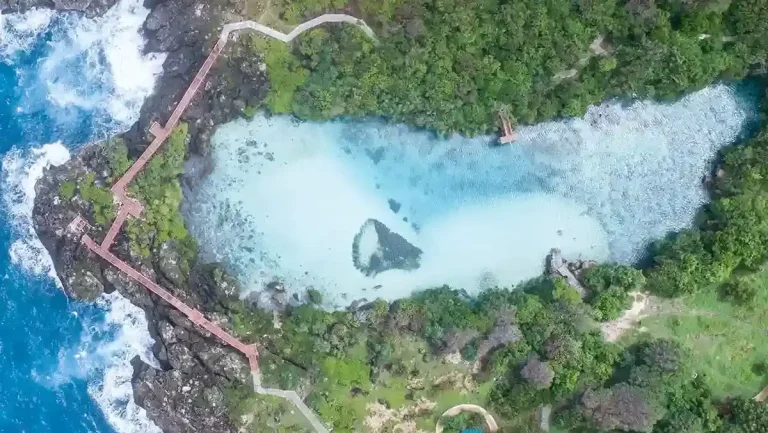
Is Sumba Family-Friendly? Travelling with Children to Sumba Island
Considering a Sumba with family trip? Our editorial desk offers candid advice on safety, malaria, roads, and activities for a…
Uncategorized
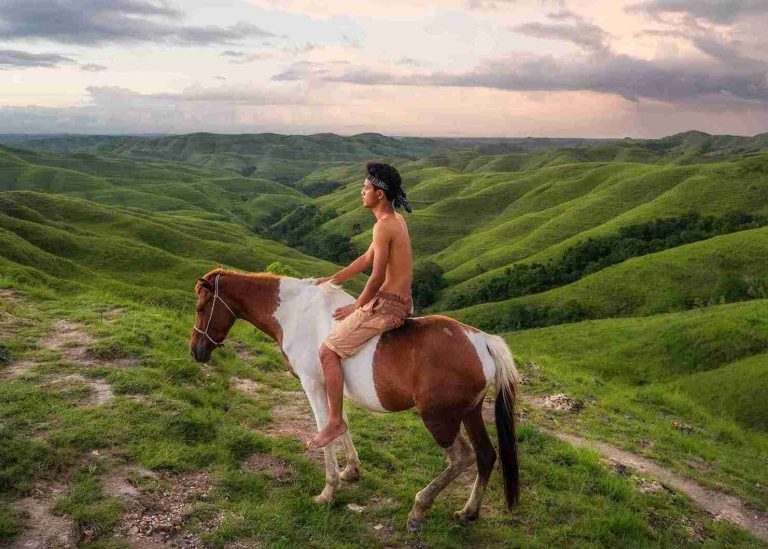
Photography in Sumba: Tips, Ethics & the Best Locations to Shoot
A practical Sumba photography guide covering ethical practices, essential gear, and the best locations like Walakiri, Weekuri, Ratenggaro, and Pasola.
Uncategorized
Konda Lake East Sumba: Birdwatching at Sumba’s Hidden Waterway
Discover Konda Lake East Sumba, a tranquil tidal waterway near Waingapu, ideal for Konda Lake birdwatching and observing Sumba's unique…