West & East SumbaPrivate Guides & 4WDMegaliths & IkatCustom Itineraries

Sumba Private Tour: Authentic Island Experiences — West & East Sumba

Plan Your Private Sumba Trip

Tell us how you want to see Sumba. We reply on WhatsApp with a realistic itinerary, vetted local guides and 4WD, and an indicative quote — West Sumba, East Sumba, or a cross-island combination.

Pricing by quote, no obligation. Pasola runs Feb–March; dates confirmed only 1–2 weeks ahead. We coordinate vetted local guides and drivers.

West & East
Two Regions of Sumba
4
Regencies Covered
TMC & WGP
Tambolaka & Waingapu
Private
Guides & 4WD

Start With the Region

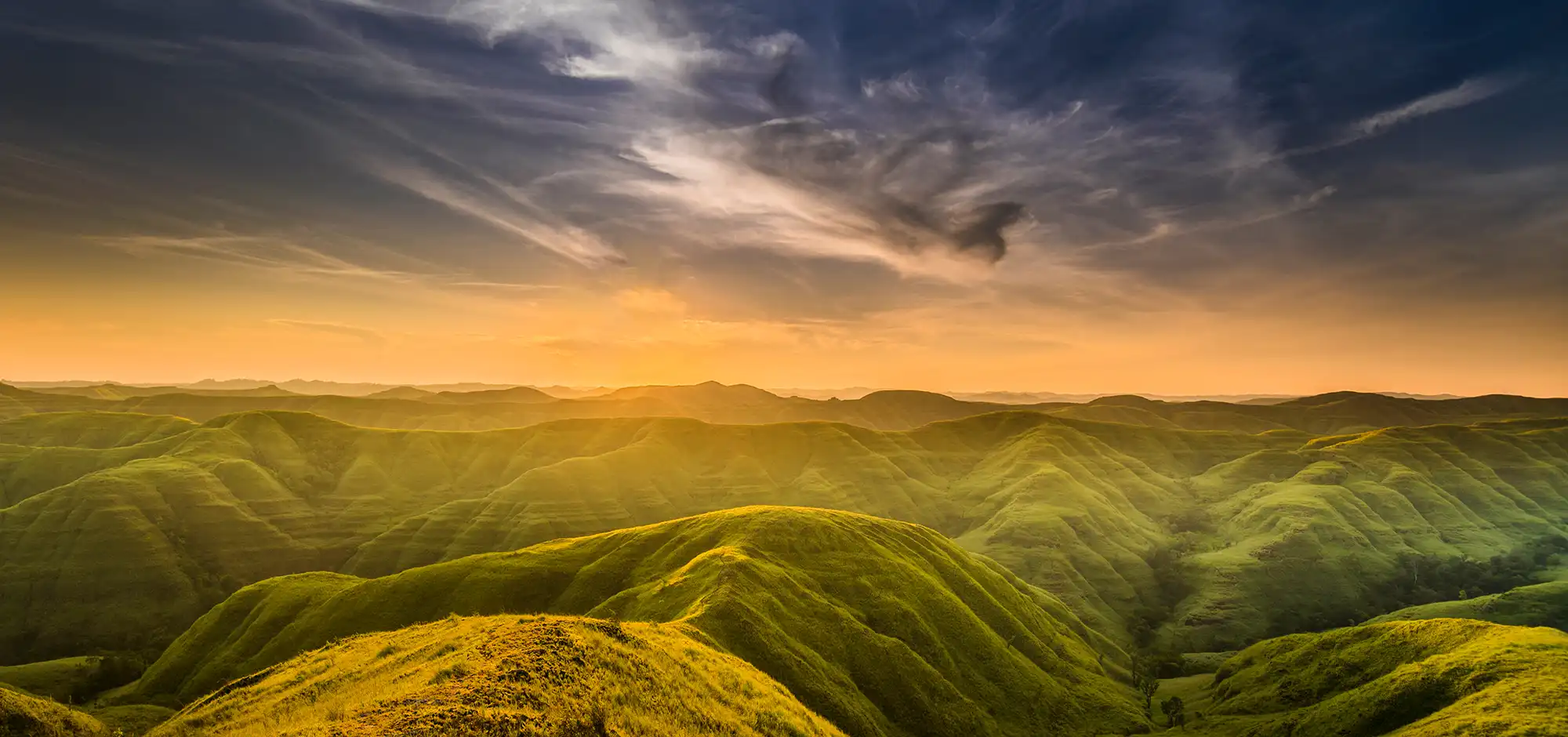
Sumba is about twice the size of Bali, ~300 km west to east. West Sumba (via Tambolaka, TMC) holds Weekuri Lagoon, Lapopu Waterfall and the Pasola fields; East Sumba (via Waingapu, WGP) holds the ikat-weaving villages and Walakiri Beach. We help you choose — or combine both over a cross-island drive.

West Sumba

West Sumba

Weekuri, Lapopu & Ratenggaro from Tambolaka
Explore West →
East Sumba

East Sumba

Ikat villages & Walakiri from Waingapu
Explore East →
West + East Combined

West + East Combined

Cross-island over 5+ days
See the route →

Plan & Experience

Real itineraries, honest driving times, and the cultural context, decoded. Indicative per-person ranges run from the low hundreds USD for a 2–3 day single-region trip to mid-hundreds and above for a 5–7 day cross-island tour; exact pricing is by quote after a short planning conversation.

Pasola Festival

Pasola Festival

Sacred horseback ritual, Feb–March
Plan around it →
Weekuri Lagoon

Weekuri Lagoon

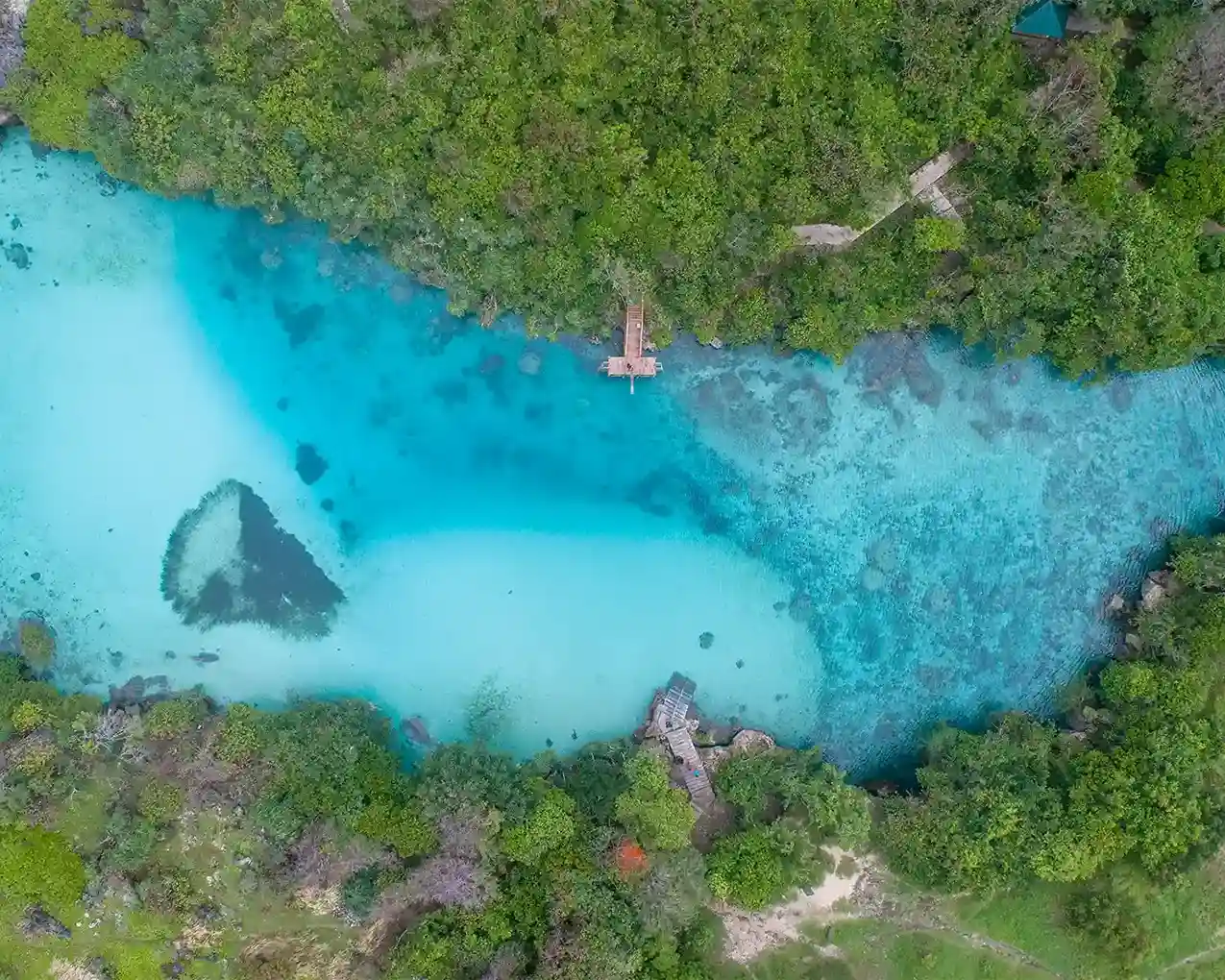
West Sumba tidal lagoon
See the trip →
Lapopu Waterfall

Lapopu Waterfall

Two-tier cascade, ~70m upper drop
Read first →
Walakiri Beach

Walakiri Beach

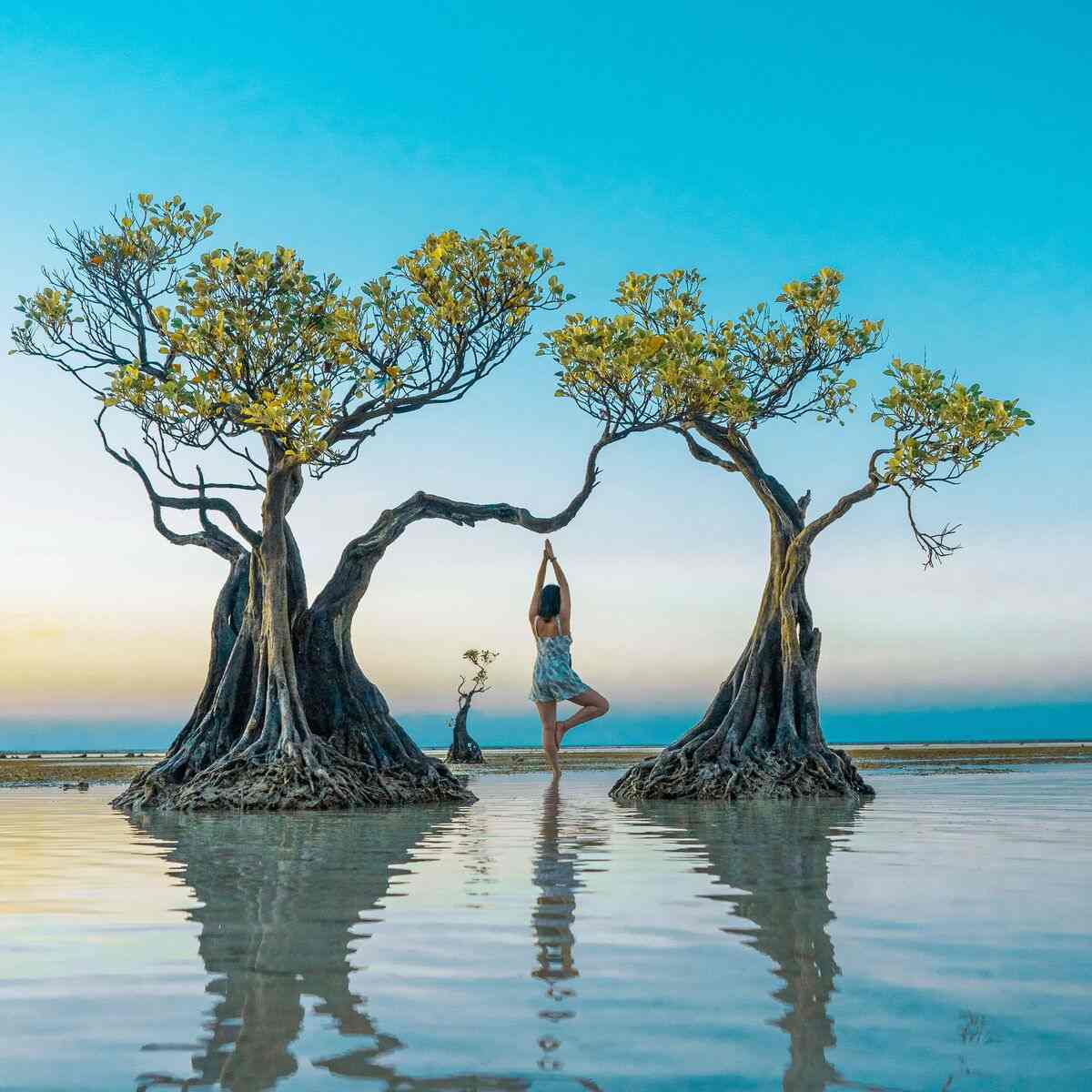
East Sumba sunset mangroves
See the trip →

Why Sumba Private Tour

Sumba Only

We focus 100% on Sumba Island — West and East — so the routes, drivers and timing reflect real conditions, not a brochure.

Private Guides & 4WD

Vetted local drivers and guides, with high-clearance or 4WD vehicles chosen for the route and the season’s road conditions.

Honest Planning

Real driving times, season trade-offs, and the fact that Pasola dates are confirmed only 1–2 weeks ahead — we tell you straight.

Cultural Respect

Marapu villages and megalithic tombs are living, not relics. We brief you and coordinate fair village contributions.

From Enquiry to Itinerary

How planning works.

01

Tell us your trip

Region (West, East or both), trip length, travel dates, group size and the experiences you most want.

02

Get an itinerary & quote

We come back with a realistic day-by-day plan, the right vehicle, honest driving times, and an indicative quote.

03

We coordinate on the ground

A vetted local guide and driver run your trip; we handle accommodation, fuel, fees and village contributions.

A sumba private tour is a custom-planned journey across Sumba Island with your own local guide and driver, adapted to your pace, interests, and season. At Sumba Private Tour, we act as an independent concierge to design and coordinate your private tour Sumba experience across both West and East Sumba — from NIHI Sumba-adjacent beaches and Pasola fields to remote ikat weaving villages.

What Is Sumba Private Tour?

Sumba Private Tour is an independent trip-design and guiding service focused 100% on Sumba Island. We help international and Indonesian travellers plan honest, realistic Sumba island tour itineraries — including guide selection, 4WD transport, and cultural briefings.

You tell us how many days you have, which parts of Sumba you want to see, and your comfort level. We then design a tailored sumba tour package using vetted local drivers and guides in:

  • West Sumba — Weekuri Lagoon, Lapopu Waterfall, Ratenggaro and Praijing traditional villages, NIHI Sumba-adjacent routes, West Sumba Pasola fields.
  • East Sumba — Walakiri Beach, Rende and Prailiu ikat villages, megalithic tomb clusters, Watu Maladong coastal area (via multi-day overland route).

We are honest about road conditions, realistic driving times, malaria risk, rough edges in accommodation, and the cultural protocols required when entering Marapu adat communities.

Why Sumba Is Different From Other Indonesian Islands

Sumba is still one of Indonesia’s least-developed islands for tourism. Travel here is more “expedition with a bed and shower” than polished resort circuit (NIHI Sumba is the major luxury exception in the west). That is exactly why many travellers choose a tour Sumba Island trip over Bali or Lombok.

Cultural Landscape: Marapu, Megaliths, Pasola

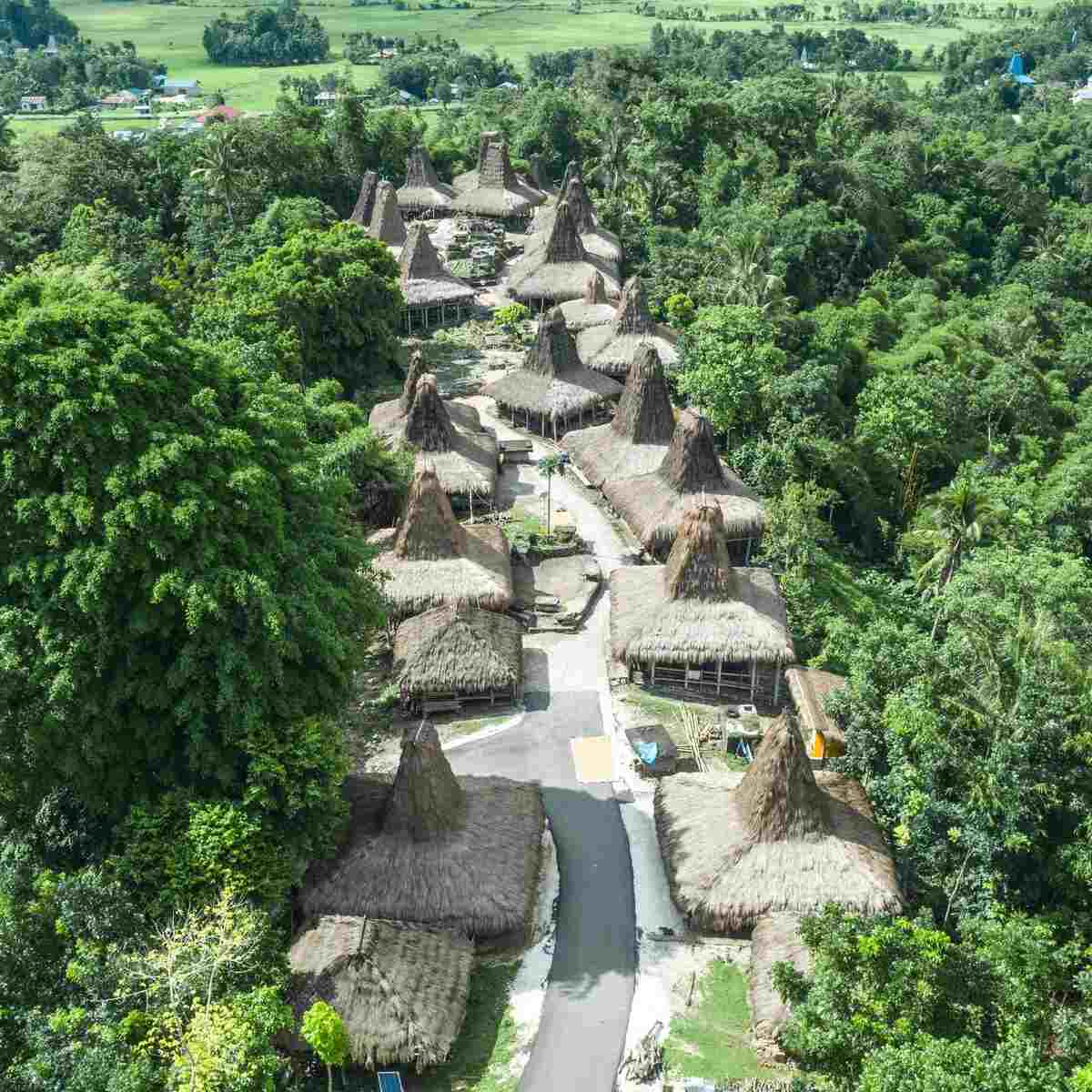
  • Marapu belief still shapes village layouts, rituals, and social life. You will see ancestral stone tombs next to everyday houses, and animal horns decorating clan houses.
  • Megalithic tombs are active, not archaeological relics. New tomb stones are still carved and installed; ceremonies continue throughout the year.
  • Pasola festival (February–March) is a ritual war game on horseback, linked to the annual sea-worm (nyale) appearance. It is not a “show” but a religious event decided by traditional priests (Rato).

Landscapes & Distances

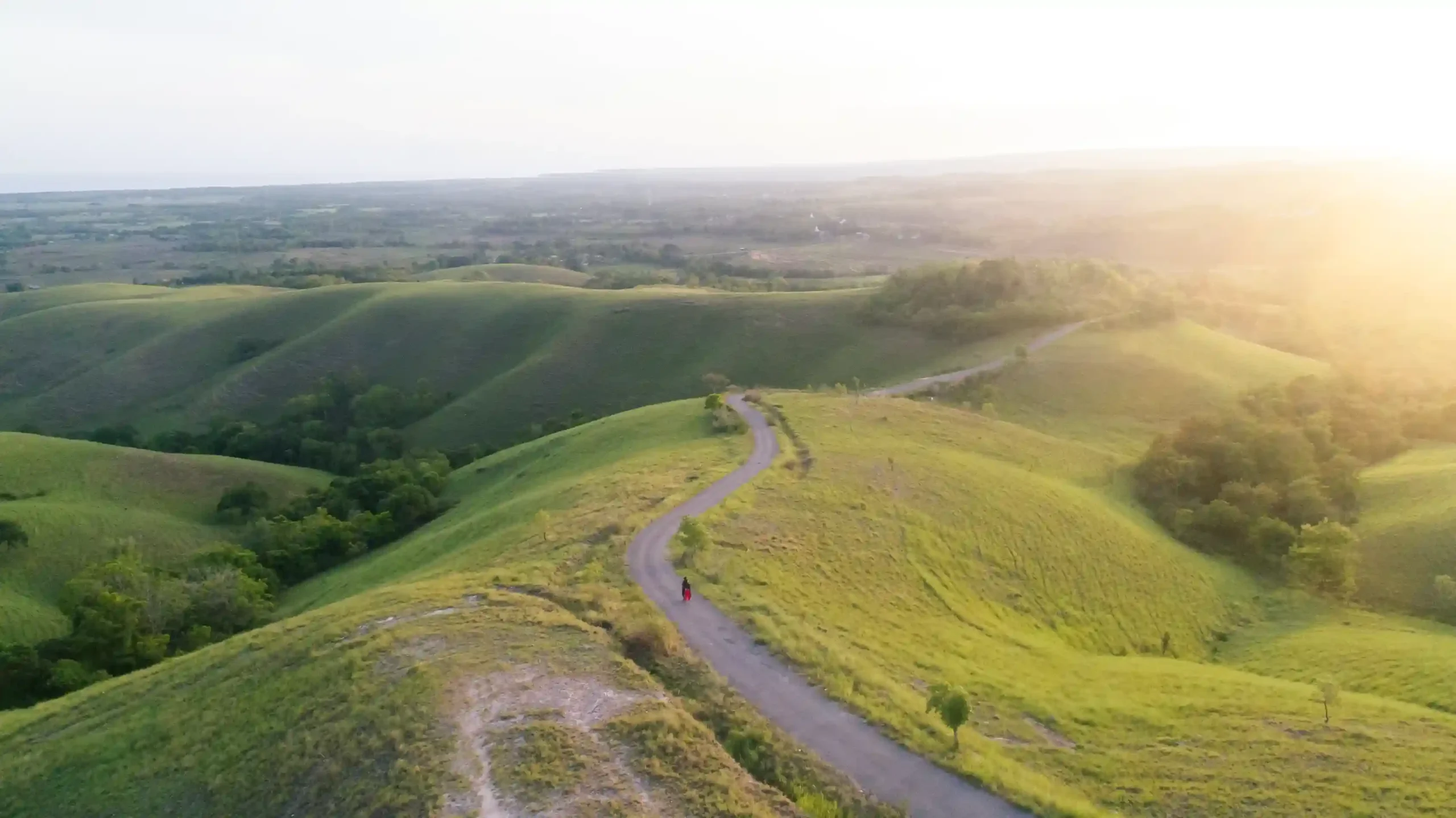
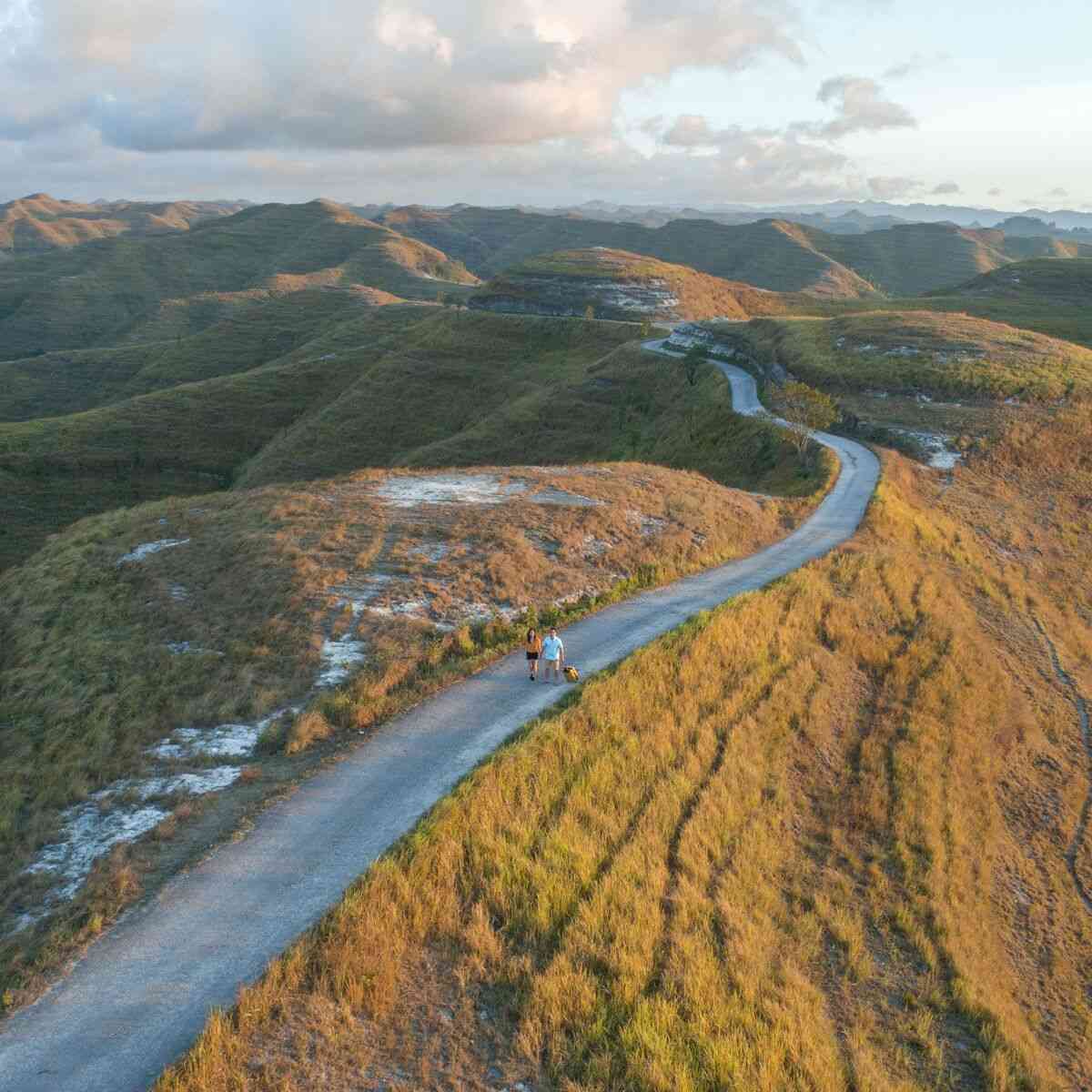
Sumba’s landscapes shift quickly: savanna hills with wild horses, steep river valleys, waterfall canyons, mangrove-framed beaches, and karst sea cliffs. But roads are mostly 1–1.5 lane asphalt or hard-packed dirt, and driving times are longer than they look on the map:

Tambolaka Airport → Weekuri Lagoon
Approx. 1.5–2 hours by car, longer in heavy rain.
Tambolaka → Lapopu Waterfall
Approx. 2–2.5 hours; last section via rough road and short walk.
Tambolaka → Waitabula area hotels
30–60 minutes, depending on lodging location.
Waingapu Airport → Waingapu city
About 15–25 minutes.
Waingapu → Walakiri Beach
About 45–60 minutes.
West Sumba → East Sumba overland
6–9 hours of driving over one or two days, depending on stops and route.

The Trade-Offs: Comfort vs Authenticity

Outside of top-end resorts and a handful of mid-range hotels, Sumba is simple: fan or basic AC rooms, intermittent hot water, limited restaurant options after dark. In exchange, you get an island where:

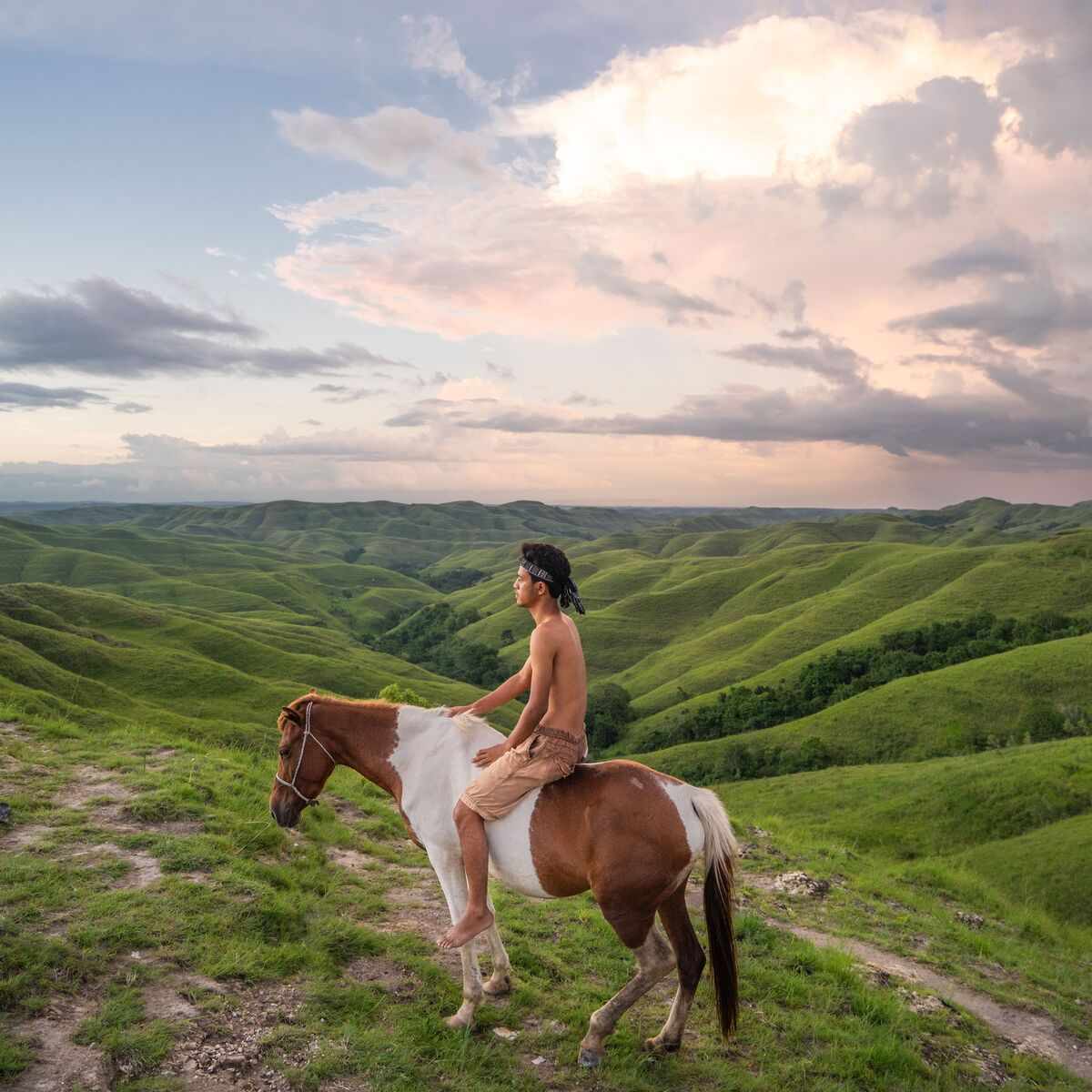
  • Horses graze freely on beaches and hilltops.
  • Children still walk to school past megalithic tombs.
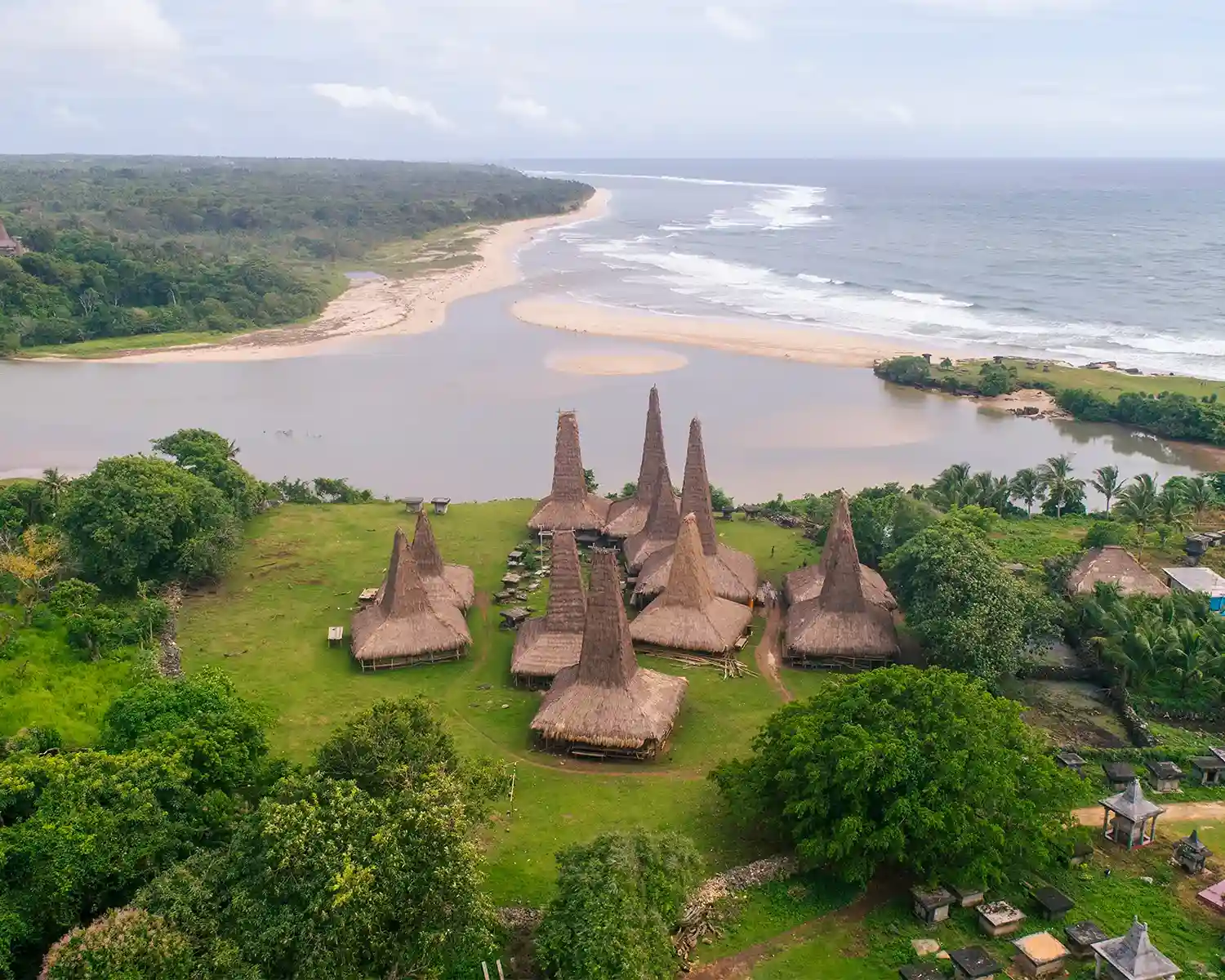
  • Traditional houses with high-pitched roofs dominate the skyline in many villages.

Our job is to match your comfort expectations with the realities on the ground, so your private tour Sumba feels adventurous but not overwhelming.

How Our Sumba Island Tour Concierge Works

We operate as a planning and coordination hub so you don’t have to guess at unmarked roads, shifting Pasola dates, or village protocols.

1. Pre-Trip Conversation

We start with a detailed exchange via email or WhatsApp:

  • Number of days and nights on Sumba.
  • Entry/exit points (Tambolaka / Waingapu; domestic flights only).
  • Interests (culture, photography, hiking, beaches, Pasola, weaving, horse riding).
  • Comfort level (simple homestays acceptable, or mid-range only).
  • Season you are visiting (dry, shoulder, or wet season).

From here, we propose an initial route and accommodation mix, with clear travel times and alternatives.

2. Local Guides & Drivers

We match you with guides and drivers who:

  • Are from Sumba (mostly West or East based) and speak at least conversational English or Bahasa Indonesia, depending on your need.
  • Are comfortable explaining Marapu customs and Pasola context, not just driving from spot to spot.
  • Use vehicles appropriate to season — 4WD or high-clearance cars recommended in many areas, especially Dec–April.

3. Realistic Routing & Pacing

We avoid the common mistake of trying to “do all of Sumba” in 3 days. Instead, we advise:

  • 2–3 days: Focus on West Sumba (if flying via Tambolaka) or East Sumba (if flying via Waingapu).
  • 5+ days: Combine West and East Sumba with at least one long cross-island drive.
  • 7+ days: Add deeper village visits, multi-hour hikes, and slower mornings/afternoons.

For personalised route planning and a sample day-by-day outline, you can plan your trip with us directly via email or WhatsApp.

Core Sumba Private Tour Itineraries

Below are example Sumba tour package outlines. We adapt each to flight times, season, and your interests.

2-Day West Sumba Highlights (Tambolaka In/Out)

Best for: Travellers with very limited time, NIHI Sumba guests adding a land day, or those already on West Sumba resorts.

Typical route overview:

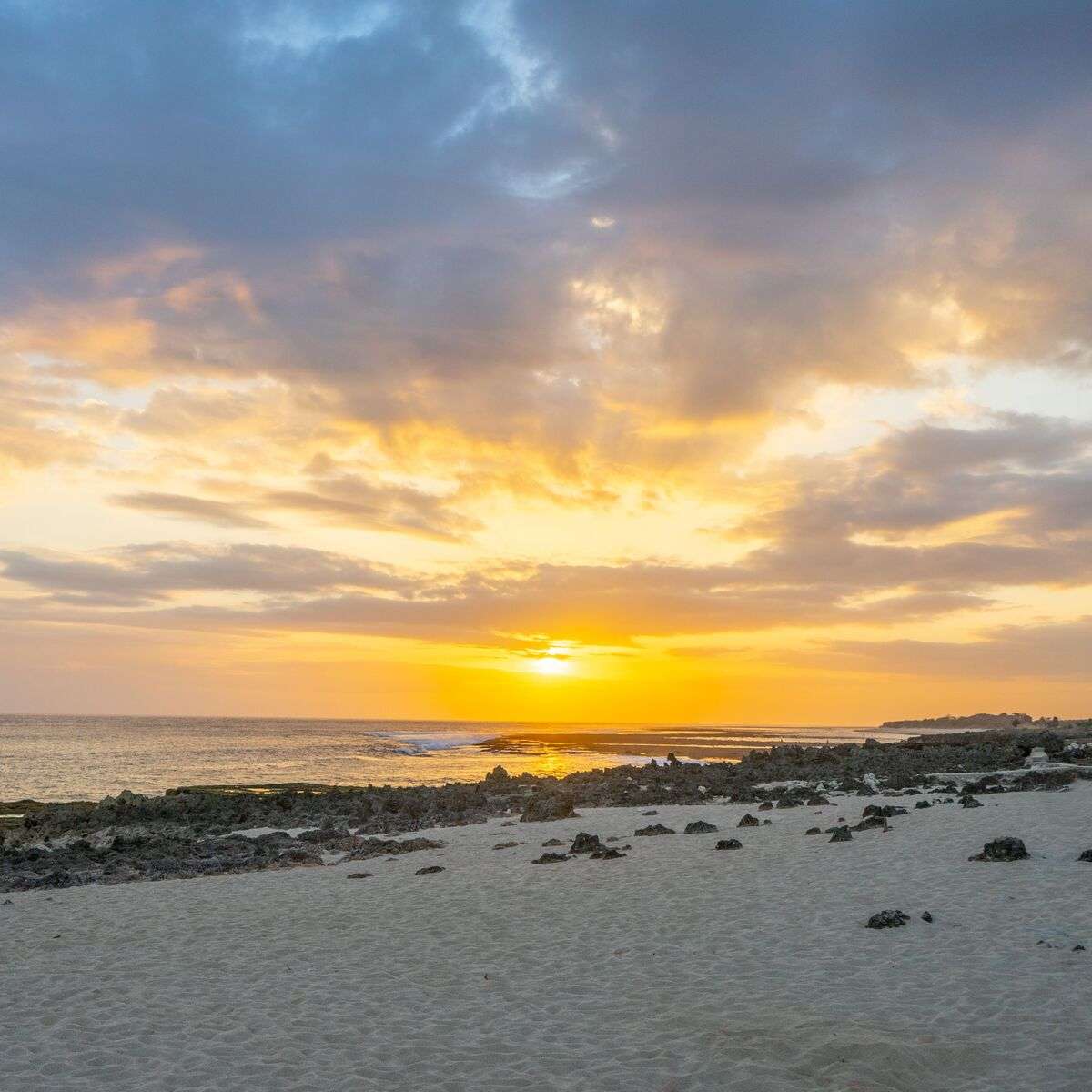
  • Day 1: Airport pickup Tambolaka → Weekuri Lagoon (swim, cliff views if safe) → nearby beach (Bwanha/Kerewei area depending on conditions) → sunset on the west coast → overnight in West Sumba hotel or resort.
  • Day 2: Morning visit to Praijing or Ratenggaro traditional village (depending on road and wave conditions) → Lunch in Waitabula area → Airport drop-off.

Notes:

  • Expect about 3–5 hours of driving per day.
  • Roads are mostly paved but narrow; rainy season may slow some sections.
  • Cultural contribution in villages is usually expected; we discuss appropriate amounts and etiquette in advance.

3-Day West Sumba: Lagoons, Villages & Waterfalls

Best for: Travellers wanting more than a quick photo stop — time to visit both coastal and inland sites.

Sample flow:

  • Day 1: Tambolaka arrival → Weekuri Lagoon and nearby beach → Sunset and overnight in Southwest Sumba / Waitabula area.
  • Day 2: Early drive inland to Lapopu Waterfall (hiking, river time, depending on water flow and your mobility) → Optional short village stop en route → Return via savanna viewpoints.
  • Day 3: Visit Praijing traditional village (hilltop views, megalithic tombs) or Ratenggaro + coastal megalithic site → Airport or next-hotel drop-off.

Reality check:

  • Lapopu access can be limited by heavy rain and river volume; safety first.
  • Some days will involve packed lunches; roadside food options are basic but genuine.

5-Day West & East Sumba Explorer

Best for: Travellers wanting both West Sumba beaches/villages and East Sumba’s ikat and mangroves, without rushing every day.

Indicative outline (flexible direction depending on flights):

  • Day 1: Tambolaka → Weekuri & west coast beach sunset → Overnight West Sumba.
  • Day 2: Village focus (Praijing and/or Ratenggaro) → Savanna viewpoints → Overnight West Sumba.
  • Day 3: Long cross-island drive toward Waingapu, with valley and hilltop stops. Total driving can be 6–8 hours including pauses. Overnight in Waingapu.
  • Day 4: East Sumba ikat villages (e.g., Prailiu / Rende area), learning about natural dyes and weaving traditions → Late afternoon at Walakiri Beach for low-tide mangrove silhouettes if tides align.
  • Day 5: Flexible morning (market stop, short hill walk, or coastal visit toward Watu Maladong region if road and time allow) → Waingapu Airport departure.

Key considerations:

  • Weaving village visits are more meaningful if you are genuinely interested in textiles; we brief on fair purchasing and photography etiquette.
  • Low tide for Walakiri is tide-table dependent; we cannot “order” perfect exposed roots at sunset but we plan for the best window available.

7-Day Pasola & Megalithic Culture Focus

Only available Feb–March, subject to Pasola timing confirmed by Rato (traditional priests).

Important honesty point: Pasola dates are not fixed in the Western calendar. They are based on the appearance of nyale sea worms and Marapu ritual reading. Government or tourism calendars can be approximate at best. We will always:

  • Explain that dates may shift/condense, and that you are planning around a moving target.
  • Coordinate with multiple local sources, but still keep expectations flexible.
  • Plan non-Pasola cultural days in case the main event happens just before or after your stay.

Indicative 7-day pattern (adjusted each year):

  • Days 1–2: Arrival and West Sumba megalithic villages, Pasola field orientation, and cultural briefings (what you may see, what not to do, where to stand, how to dress).
  • Day 3 or 4: Pasola viewing day, if aligned with your dates — early start, field-side positioning with local guidance, exit before crowds move out if security requires.
  • Remaining days: Additional village visits, megalith carving or installation observations if happening, West or East Sumba expansion depending on your focus.

Because Pasola is real ritual, not performance, there can be animal sacrifice, blood, and intense energy. We only encourage attendance if you are prepared, culturally respectful, and able to accept last-minute changes.

What You Can Expect To See & Do

West Sumba Highlights

  • Weekuri Lagoon: Saltwater lagoon near the coast; swimming possible in calm conditions. Wooden platforms and viewpoints. Crowds vary by weekend/holiday; we try for quieter windows.
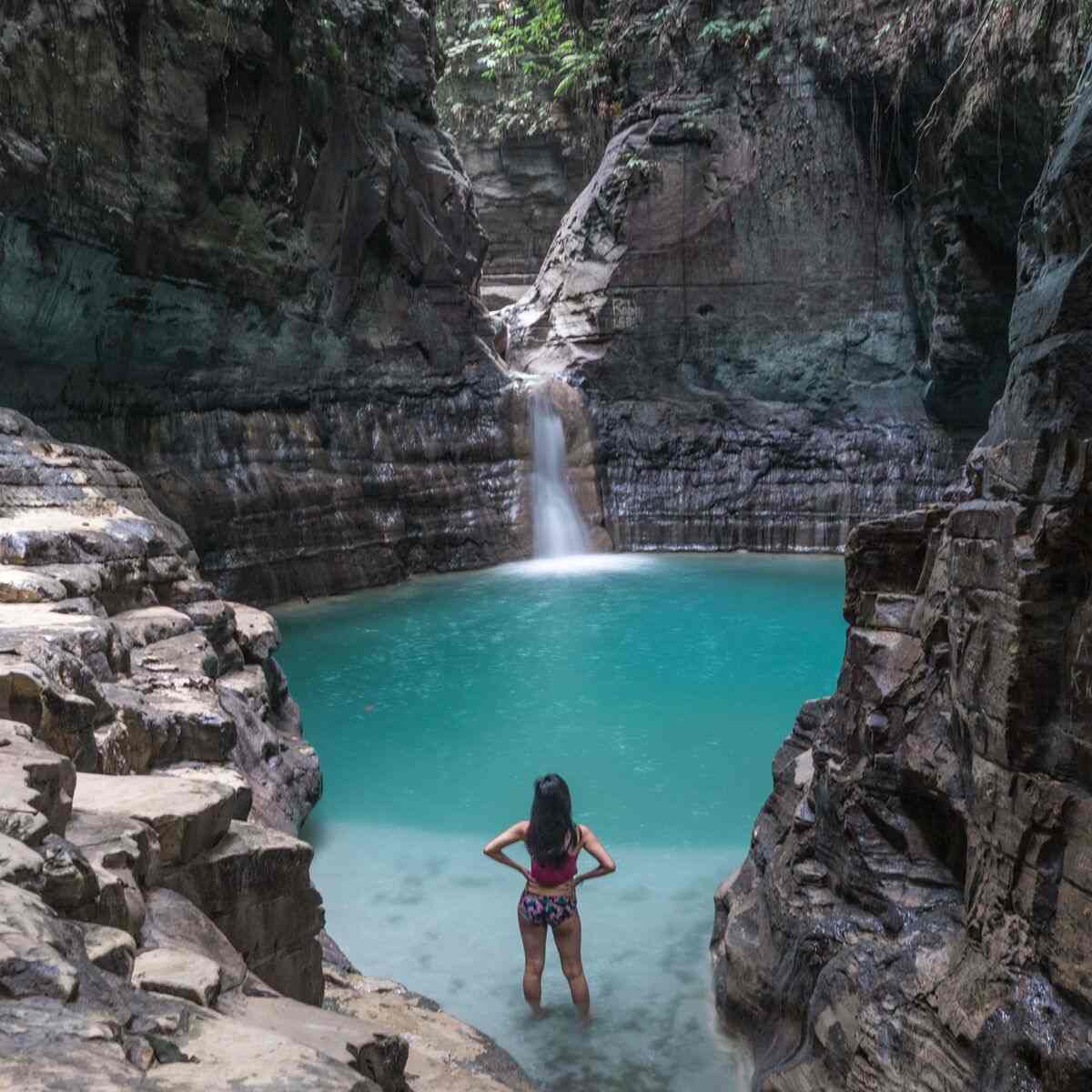
  • Lapopu Waterfall: Multi-tiered waterfall in the Manupeu Tanah Daru area. Access involves some uneven paths; water force can be strong in rainy season.
  • Ratenggaro & coastal megaliths: Traditional village near sea cliffs, with tomb stones facing the ocean. Road and wave conditions influence timing and exact spots.
  • Praijing Village: Hilltop village with line of traditional houses (uma) and central stone graves, plus wide valley views.
  • Prairies & wild horses: Especially in late afternoon around savanna hills. Horses are semi-wild and should not be approached too closely.

East Sumba Highlights

  • Walakiri Beach: Shallow tidal flats and mangrove trees, known for silhouettes at low tide and sunset. Expect other visitors in peak seasons.
  • Ikat weaving villages: Villages where families continue hand-weaving with natural dyes. Visits can include demonstrations and textile purchases.
  • Megalithic tomb clusters: Stone table tombs carved with motifs, often actively used for recent burials.
  • Hilly savannas & coastal cliffs: Routes toward regions such as Watu Maladong (road and time permitting) offer sea stacks and high viewpoints.

Each site has its own cultural rules, from where you can sit to whether head coverings are needed. We brief you before each visit, and your guide will check with village elders as needed.

Roads, Seasons, and Health: The Honest Briefing

Seasons & Weather

Sumba’s climate has a distinct dry and wet pattern:

Dry season
Generally May–October. Hills are browner later in the dry, roads easier, waterfalls lower. Cooler at night.
Shoulder months
April and November. Mix of green hills and improving roads; some showers.
Wet season
Roughly December–March. Lusher landscapes, stronger waterfalls, but higher rain, slippery or flooded roads in some areas.

We cannot guarantee clear sunsets or dry days. We can design your Sumba island tour so that key long drives avoid the worst expected weather windows, and we always keep a backup plan for heavy rain days.

Road Conditions & Access

  • Most main routes between airports and major towns are asphalt, with potholes and occasional roadworks.
  • Access to some waterfalls, remote villages, and coastal points uses dirt or rocky roads. In the wet season, some become 4WD-only or temporarily unsafe.
  • We adjust your route day by day based on real conditions. Last-minute changes are normal; we will be transparent and focus on safety.

Malaria & Health Considerations

Sumba has documented malaria risk. You should:

  • Consult a travel doctor 4–8 weeks before departure about antimalarial medication appropriate for you.
  • Use strong insect repellent, long sleeves and trousers in the evenings, and sleep under nets where provided.
  • Carry basic medications and personal prescriptions; pharmacies on Sumba are limited in range.

We can advise on how remote your planned areas are (in case medical evacuation insurance is relevant to you), but we are not medical professionals and cannot give medication advice.

Respectful Travel in Marapu Communities

Many stops on your tour Sumba Island route will be traditional villages or ritual spaces. Respect is non-negotiable. We will brief you clearly on:

Dress & Behaviour

  • Wear modest clothing for village visits: at least knee-length for men and women; no see-through tops, and ideally sleeves.
  • Ask before photographing people, houses, and tombs. Your guide can help translate and ask permission.
  • Do not climb on tombs, sit on them, or place objects on sacred areas.

Contributions & Purchases

  • Most villages expect a small contribution for visiting; we discuss suggested amounts in advance and pay directly to the village representative.
  • When buying ikat textiles, we encourage fair bargaining — not squeezing prices unrealistically low.

Rituals & Ceremonies

  • If you encounter active rituals, we may pause at a respectful distance or, if invited, step closer under guidance.
  • During Pasola or funerary events, your guide will indicate where it is safe and appropriate to stand.

We do not stage ceremonies or request that communities “perform” for photos. Your experience is based on what is naturally happening during your visit, explained in context.

Who Is Sumba Private Tour For?

Our guests typically include:

  • Independent travellers who want local depth without figuring out every logistic detail alone.
  • Photographers who care about light, tides, and respectful portrait work.
  • Cultural travellers interested in belief systems, history, and textiles, not just beaches.
  • Families and small groups comfortable with some long drives and variable comfort levels.
  • NIHI Sumba guests or other resort guests adding custom land days before/after their stay, with private 4WD and guide.

If you want nightclub nightlife, guaranteed luxury standards in every stop, or tightly scripted entertainment, Sumba may not be the right island. If you want connection, landscape, and real daily life with some rough edges, we can help design a very rewarding private tour Sumba journey.

Approximate Budget Ranges

Costs vary by season, accommodation standard, group size, vehicle type, and language needs. We do not publish fixed prices, but to help your planning, these are indicative full-trip cost ranges per person (last verified June 2026), assuming shared double/twin room, private driver and guide:

Trip Length Budget Style Approx. Range per Person* What It Typically Includes
2–3 days Simple / mid-range mix From low hundreds USD equivalent Accommodation, private car & driver, local guide, fuel, entrance/parking fees, village contributions on agreed route.
5–7 days Mid-range focus Mid hundreds to around one thousand+ USD equivalent As above, with one or more cross-island drives and added cultural stops.
Custom + NIHI / luxury Upper tier Highly variable Private 4WD, English-speaking guide, coordination with resort schedules; lodging billed separately by resort.

*These are broad, non-binding indications. Once we understand your exact dates, group size, lodging preference, and route, we provide a transparent quote. No one can pay to change what we publish; if you proceed with our partner they may pay us a referral fee at no extra cost to you.

To receive a tailored estimate and outline for your dates, you can plan your trip with us — we’ll follow up via email or WhatsApp based on your preference.

Why Work With an Independent Sumba Concierge

Handling Sumba logistics from afar can be complex: changing Pasola dates, seasonal road closures, accommodation that is not always listed or updated online. Working with an island-based planner gives you:

  • Local updates on road works, landslides, and new or closed homestays.
  • Cultural insight before arrival, so you are not surprised by protocols.
  • Efficient routing that avoids doubling back unnecessarily.
  • On-trip flexibility for weather-changed days, market days, or ceremonies that appear unexpectedly.

Start Planning Your Sumba Private Tour

If you are ready to think about dates and routes — even roughly — we can help you shape them into a workable plan. Share your flight ideas, interests, and comfort level, and we will suggest a day-by-day outline with honest notes on driving hours, accommodation standard, and seasonal risks.

Use our plan your trip page to send initial details. If you prefer, you can request that we continue the conversation on WhatsApp for faster back-and-forth while we refine your Sumba island tour together.

FAQs About Sumba Private Tours

When is the best season to visit Sumba?

Most travellers prefer May–October for drier roads and more predictable sun, especially if your focus is beaches and longer drives. April and November can offer greener hills with fewer visitors but some showers. December–March is lush and dramatic with strong waterfalls, yet also brings heavier rain, more mud, and a higher chance of itinerary adjustments. If Pasola is your priority, you must aim for February–March and accept higher uncertainty at that time.

Can you guarantee Pasola dates for my trip?

No. Pasola dates are determined each year by Marapu priests based on the nyale sea-worm appearance and ritual readings. Government or tourism announcements are guidelines, not strict promises. We monitor local information closely and structure your itinerary to maximise the chance of attending, but any Pasola visit remains subject to date shifts, weather, and community decisions.

Do I really need a 4WD for Sumba?

For airport-to-town transfers and main asphalt roads in dry season, a regular car may be enough. For many waterfalls, remote villages, and coastal areas — particularly December–April — a high-clearance vehicle or 4WD is strongly recommended. We choose vehicles based on your planned route and current conditions, with safety and reliability as priorities.

Is Sumba safe for solo travellers and families?

Sumba is generally calm and welcoming, with most issues related more to road and health risks than to crime. Solo travellers and families do visit safely each year. Staying with a trusted guide and driver, respecting local norms, and being cautious around roads, animals, and strong waves are key. We do not operate night driving in remote stretches unless absolutely necessary.

How far in advance should I book a Sumba tour package?

For dry season (especially July–September) and Pasola period (February–March), we recommend starting planning 3–6 months ahead to secure better accommodation options and guides. For other months, 1–3 months usually works, though last-minute trips are sometimes possible with more limited lodging choices.

Plan My Trip
WhatsAppPlan My Trip
Scroll to Top