The pattern is tied first
Threads are bound before dyeing so the tied sections resist the colour. The design is planned in the bundle.
Open trip departs every Thursday, private trips on your dates
Check availability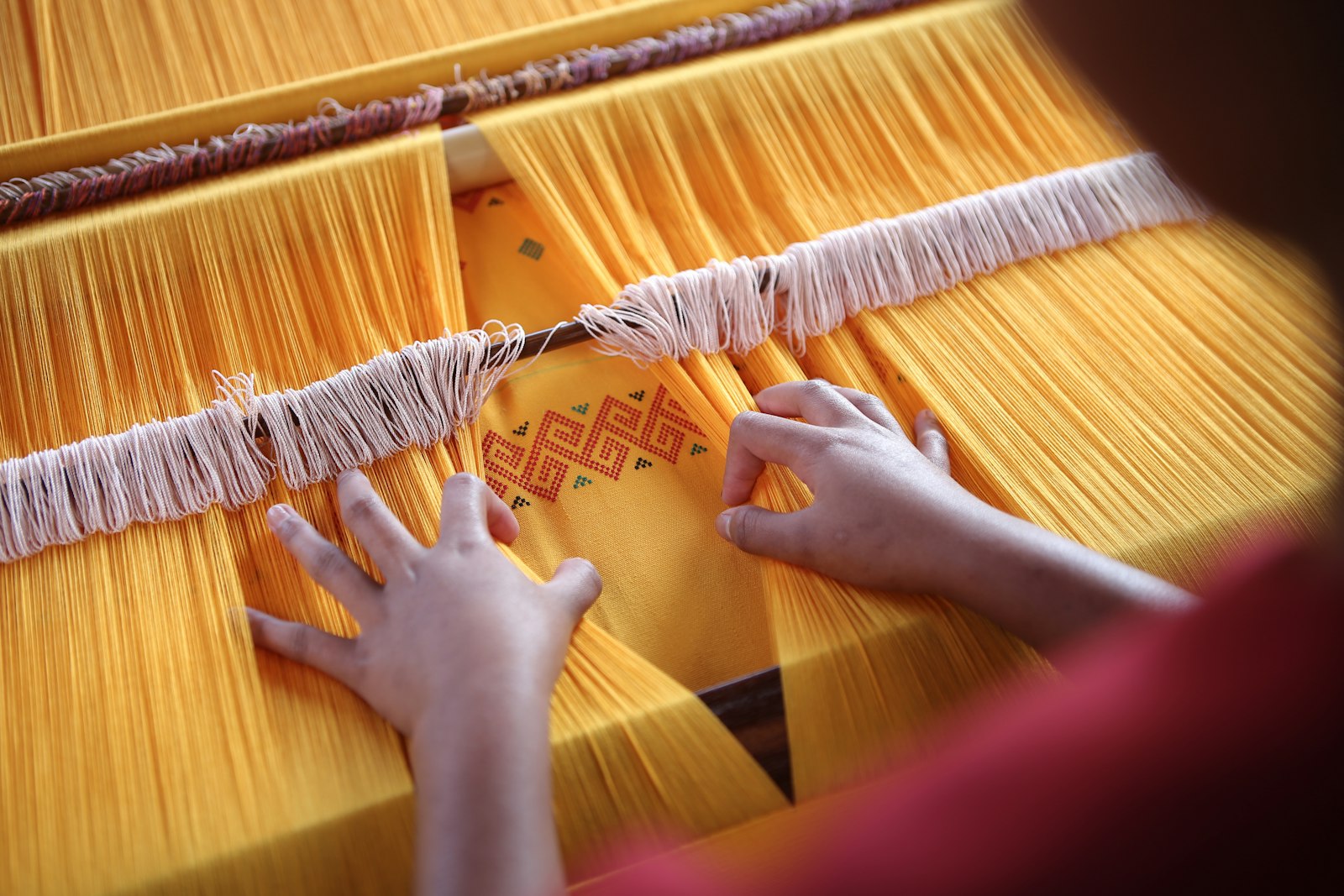
East Sumba · around Waingapu
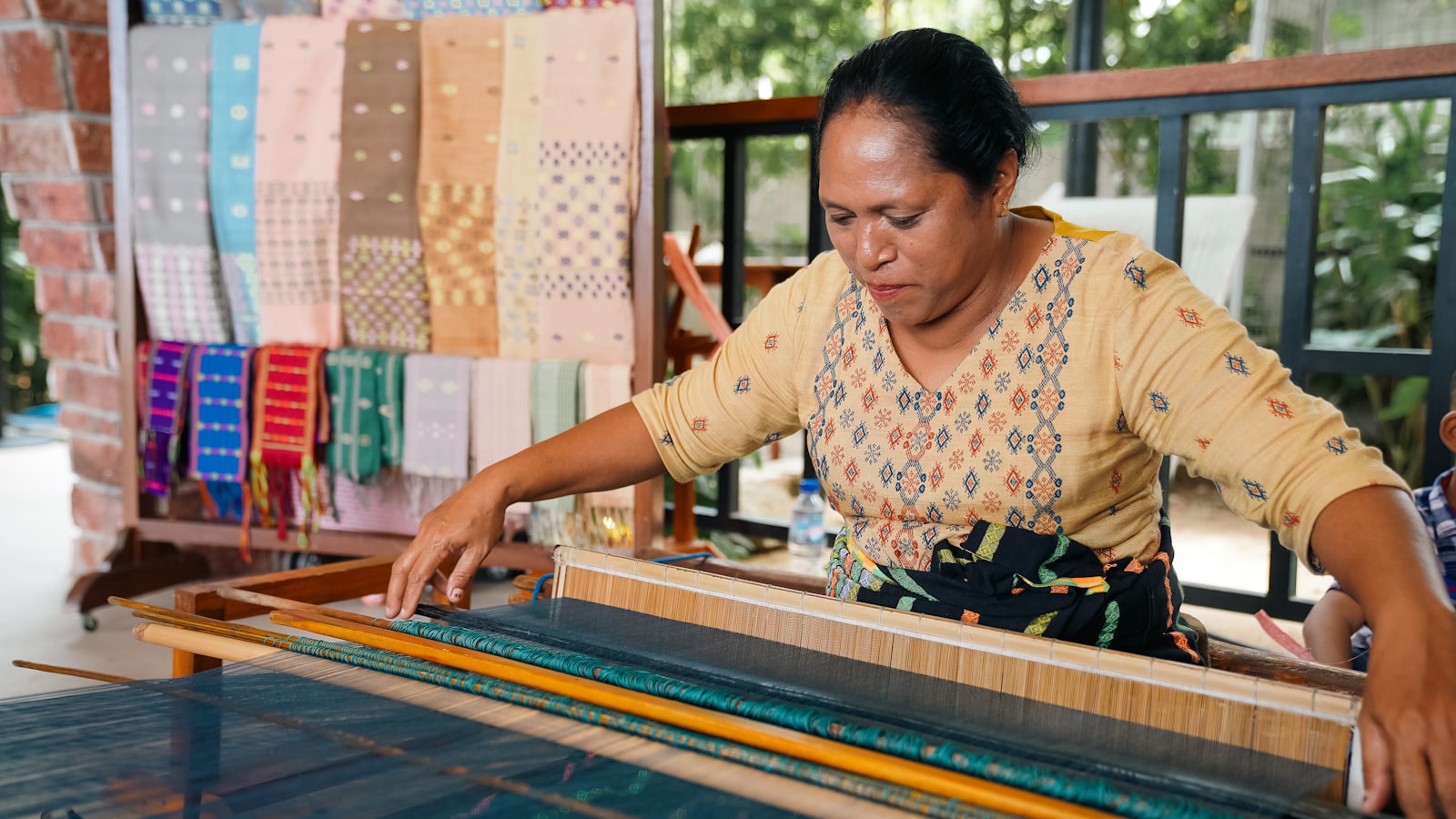
In East Sumba a textile is not a souvenir. It is bridewealth, clan identity and an offering, tied and dyed and woven by hand in the Marapu tradition.
Plan on WhatsAppSumba ikat is part of Indonesia's UNESCO-recognised intangible cultural heritage, and in East Sumba it works as currency for bridewealth, a marker of clan identity, and an offering in Marapu ceremonies.
The process
Tie, dye, dry, repeat. The pattern exists in the thread before a single row is woven.
Threads are bound before dyeing so the tied sections resist the colour. The design is planned in the bundle.
Earth tones drawn from the island's own sources, built up over repeated baths.
Each colour needs its own tying, dyeing and drying cycle before the next can start.
Buying in the village puts the money with the people who made it. Expect real prices for real work.
Getting there
Every trip length crosses to the east and spends its last nights near Waingapu.
Shared departure every Thursday, USD 459 per person.
Your own car and dates, from USD 390.
Fourteen destinations, from USD 490.
Eighteen destinations, from USD 570.
Tell us your dates and we will make sure the eastern days leave room for it.