
How to Watch Pasola: A Practical Visitor’s Guide
The Pasola festival is one of Sumba’s most evocative and powerful cultural spectacles, a thrilling and deeply spiritual Marapu ritual that draws visitors from around the globe. For those seeking authentic pasola festival tips, know that witnessing this ancient jousting ceremony requires preparation, patience, and a deep respect for local traditions. As our Sumba Travel Curator desk, we are here to guide you through how to watch Pasola Sumba with integrity and understanding.
Understanding Pasola: More Than Just a Spear Fight
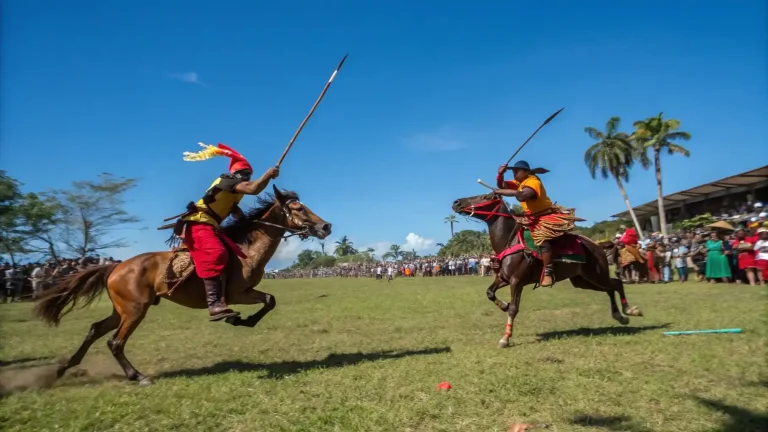
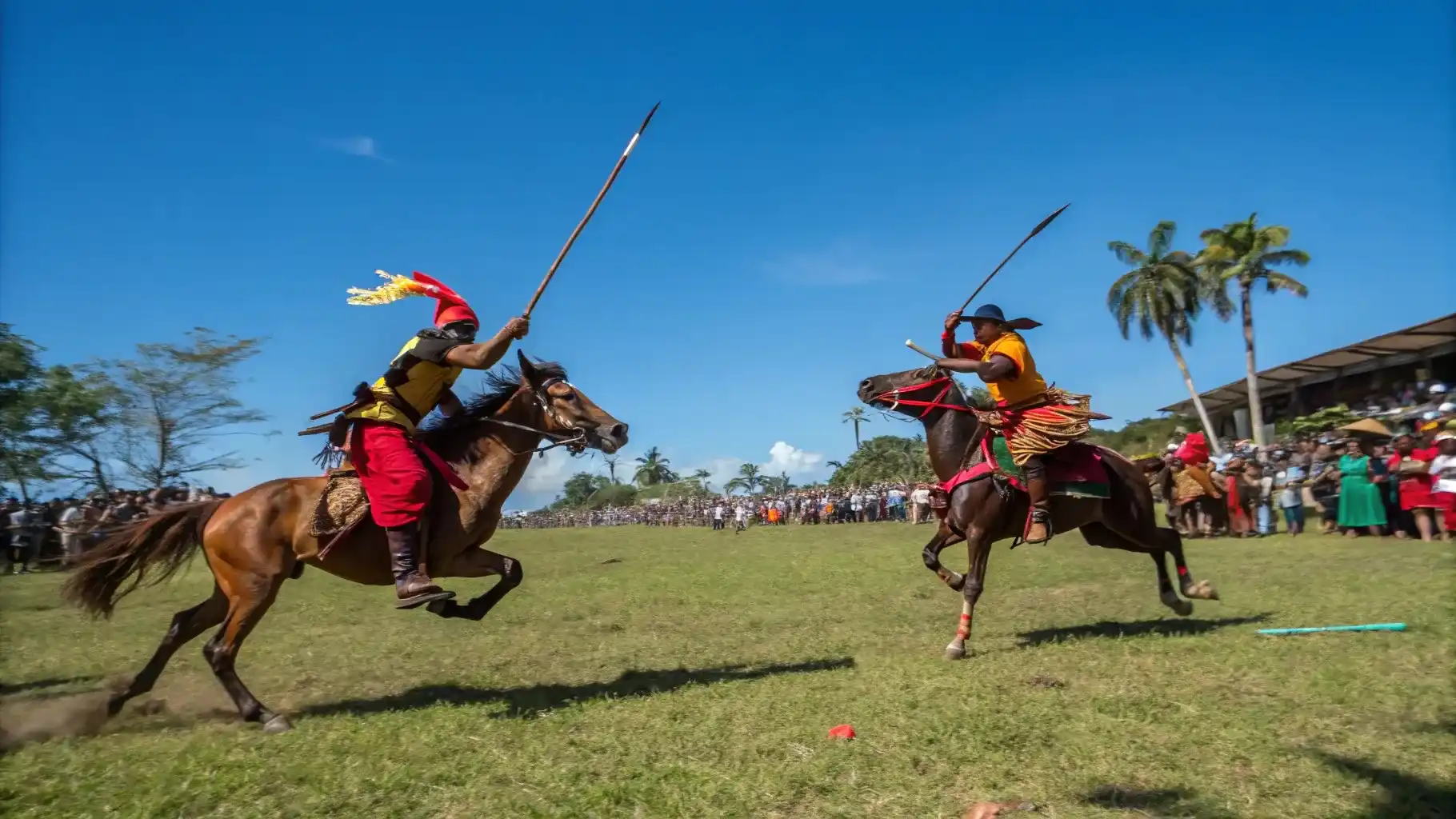
Pasola is not merely a sport; it is a sacred ritual rooted in Sumba’s Marapu animist belief system, a heartfelt appeal to the ancestors for a bountiful rice harvest and the well-being of the community. The word “Pasola” itself derives from “sola” or “hola,” meaning a type of wooden spear, and refers to the ritual combat where two groups of horseback riders, typically from opposing villages, throw blunted spears at each other. This isn’t a mock battle; it’s a real, often intense, exchange.
The festival is inextricably linked to the arrival of the *nyale* sea worms (Eunice viridis) on the shores of Sumba. These colorful worms, appearing once a year after the full moon, are believed to be messengers from the ancestors, signaling the start of the planting season. The Rato, or traditional priest, reads the signs from the *nyale* to determine if the time is auspicious for Pasola. If the *nyale* are plentiful and healthy, it foretells a good harvest and a successful Pasola. The ritual is an offering, a cleansing, and a prophecy, all rolled into one. Blood spilled during the Pasola is believed to fertilize the earth, ensuring fertility and prosperity for the coming year’s crops.
When and Where to Experience Pasola: The Art of Patience
The Unpredictable Pasola Dates: A Rato’s Secret
This is perhaps the most critical piece of advice for anyone planning to witness Pasola: the dates are never fixed far in advance. Unlike other festivals with set calendars, Pasola dates are determined by the Rato after the *nyale* worms appear, typically in February or March, following the first full moon of the wet season. The Rato observes the *nyale* during a dawn ceremony, and only then is the exact date for Pasola announced, often just days or even hours before the event.
This unpredictable timing presents a logistical challenge for international and Indonesian travellers alike. It means flexibility is key. At Sumba Private Tour, we monitor the Rato’s pronouncements closely and communicate updates as soon as they become available. We advise travellers interested in Pasola to plan a window of at least 7-10 days around the general *nyale* season, allowing for last-minute travel to the specific location. Without this flexibility, you risk missing the event entirely. This is one of Sumba’s beautiful realities: the island operates on its own ancient clock, and we must learn to move with it.
Pasola Locations: East vs. West Sumba
While Pasola is celebrated across parts of Sumba, it is most prominent and accessible to visitors in West Sumba. The festival typically unfolds in waves, starting in certain districts and then moving to others over a period of a few weeks. The intensity and size of the celebrations can vary by village.
- West Sumba Pasola Villages
- The primary regions for Pasola in West Sumba include Kodi, Lamboya, Wanokaka, and Gaura. These areas host some of the largest and most vibrant Pasola ceremonies. Kodi often kicks off the season, followed by Lamboya, Wanokaka, and Gaura. The exact sequence and which villages within these districts host the event depend entirely on the Rato’s readings and the community’s readiness. Your guide will be instrumental in navigating these specific locations.
- East Sumba Pasola
- While less common for visitors, Pasola rituals also occur in East Sumba, though usually on a smaller, more intimate scale. Logistically, West Sumba is generally more prepared for the influx of visitors during this period, offering a slightly wider range of accommodation and infrastructure, albeit still basic by international standards.
Understanding these regional differences helps in planning your itinerary, especially when factoring in travel times between districts. Sumba is a large island, and moving between West and East Sumba can take a full day, especially during the wet season.
Practical Pasola Festival Tips: Preparing for Your Visit
To truly appreciate and participate in the Pasola experience, a few practical tips will ensure your comfort and safety.
Arrive Early: Secure Your Spot and Observe the Rituals
One of the most crucial pasola festival tips I can offer is to arrive at the designated village very early, ideally by 07:00 AM. While the jousting might not commence until later, the day’s proceedings often begin with sacred ceremonies led by the Rato. These can include blessings, animal sacrifices (typically buffalo, pigs, or chickens), and traditional dances. These pre-Pasola rituals are just as significant as the main event, providing deep insight into the Marapu beliefs.
Proceedings can start from 07:30 AM, depending entirely on the Rato’s timing and the community’s readiness. There’s no fixed schedule. Early arrival not only allows you to respectfully observe these important phases but also helps you secure a good vantage point. The viewing areas, typically open fields, can become crowded quickly with local spectators.
Dress Modestly: Respecting Marapu Adat Communities
Sumba is a place where traditional customs and beliefs are deeply ingrained in daily life. When visiting Marapu adat communities, particularly for a sacred event like Pasola, modest dress is not just a suggestion; it’s a sign of profound respect. For both men and women, this means wearing clothing that covers your shoulders and knees. A sarong (ikat cloth) is an excellent choice and can be purchased locally, serving as a practical and culturally appropriate garment.
Entering a village or a ceremonial site in inappropriate attire can cause offense and disrespect to the ancestors and the community. Your local guide will reinforce this and advise you on specific expectations for each location. Remember, you are a guest in their sacred space.
Safety First: Where to Stand During the Jousting
The Pasola is an exhilarating event, but it is also genuinely dangerous. The riders, often numbering in the hundreds, gallop at high speeds, throwing wooden spears (blunted, but still capable of causing serious injury) at their opponents. These spears can fly in all directions, sometimes veering off course into the crowd.
It is absolutely imperative that you stay at the outer perimeter of the arena. Never, under any circumstances, enter the field where the jousting takes place. Maintain a safe distance, observing from the edges of the crowd. Local spectators are generally aware of the risks and will position themselves accordingly; follow their lead and heed the warnings of your guide. There are no designated “safe zones” beyond common sense and vigilance. We prioritize your safety above all else.
Essential Gear: Photography and Personal Comfort
To capture the dynamic action of the Pasola while maintaining a safe distance, a telephoto lens in the 100–400mm range is highly recommended. This allows you to get clear shots without needing to be close to the field of combat. For personal comfort, especially given that you will be outdoors for several hours under the Sumba sun, remember to bring:
- Plenty of water and some snacks, as amenities at the Pasola sites are minimal.
- A wide-brimmed hat, sunglasses, and high-SPF sunscreen.
- A small first-aid kit for minor scrapes or headaches.
- A power bank for your phone and camera, as charging points will be non-existent.
Navigating Sumba’s Realities: Logistics for Pasola
Roads and Transport: Embrace the 4WD Life
Sumba’s infrastructure is still developing, and this is particularly evident in its road network. During the wet season (roughly November to April), which coincides with Pasola, many roads, especially those leading to more remote villages, can become severely damaged, muddy, or even impassable for regular vehicles. A 4WD vehicle is not just recommended; it’s often a necessity.
Travel times can be significantly longer than anticipated due to road conditions. What looks like a short distance on a map might take hours. Having an experienced local driver who knows the terrain and can navigate these challenges is invaluable. We always arrange robust 4WD vehicles and skilled drivers for our Pasola itineraries.
Accommodation: Booking Ahead is Key
Accommodation options in Sumba, particularly in West Sumba where most Pasola events occur, are limited, especially during the Pasola season. High demand means that what few guesthouses, small hotels, and homestays exist fill up quickly. Booking well in advance is crucial to secure suitable lodging.
- Luxury Options
- While NIHI Sumba offers world-class luxury, it’s located in West Sumba and often a significant drive from specific Pasola sites. Other high-end villas are emerging, but they are few and far between, requiring careful planning for Pasola access.
- Mid-Range Stays
- You’ll find a selection of local hotels and guesthouses in towns like Waikabubak or Waingapu, offering comfortable but basic amenities. These are often the most practical choice for Pasola visitors.
- Budget Friendly
- Homestays within villages provide a more immersive experience but come with very basic facilities. They offer an incredible cultural exchange but require a flexible mindset regarding comfort.
Pricing for a comfortable guesthouse room might range from IDR 300,000 to IDR 800,000 per night (last verified June 2026), while more upscale options can reach IDR 1,500,000 to IDR 3,000,000+. These are general ranges and can fluctuate wildly during peak season.
Health Considerations: Malaria and General Well-being
Sumba is a malaria-endemic area, particularly during the wet season. Taking preventative measures is essential. Consult your doctor or a travel clinic well before your trip about anti-malarial medication. Beyond medication, practical steps include:
- Using insect repellent containing DEET or picaridin, especially at dawn and dusk.
- Wearing long sleeves and trousers in the evenings.
- Sleeping under mosquito nets (ensure your accommodation provides them, or bring your own).
Additionally, practice general travel health precautions: drink only bottled water, avoid uncooked or unpeeled foods if unsure of hygiene, and carry hand sanitizer. Medical facilities in Sumba are basic, especially outside the main towns, so prevention is always better than cure.
Pasola Viewing Etiquette: Cultural Respect is Paramount
Photography Guidelines: When to Point and Shoot
Photography is generally tolerated and often welcomed from the edges of the Pasola arena. However, it’s crucial to always be mindful and respectful. Never interrupt a ceremony or position yourself in a way that obstructs local participants or onlookers. For close-up shots of individuals, especially Rato or elders, always seek permission through your guide. A quick nod and smile after they agree goes a long way.
There might be specific moments or areas where photography is deemed inappropriate due to the sacred nature of the ritual. Your Sumba Private Tour guide will be your eyes and ears, informing you when to put your camera down. Remember, the experience itself is more valuable than any photograph.
Engaging with Locals: A Smile Goes a Long Way
Sumbanese people are generally warm and welcoming. A simple “Hello” (usually “Halo”) or “Thank you” (“Terima kasih”) in Bahasa Indonesia, accompanied by a genuine smile, can open doors to friendly interactions. Your guide will serve as a bridge, facilitating deeper conversations and explaining cultural nuances. Resist the urge to hand out candy or money indiscriminately to children; instead, consider donating to local schools or community projects through reputable channels.
Understanding the Ceremony: Patience and Observation
Pasola is a complex event with multiple phases, not just the jousting. There are often long periods of waiting, chanting, drumming, and ceremonial preparations before the main action unfolds. Embrace this pace. It’s part of the authentic experience. Your guide will interpret the various elements, helping you understand the significance of each ritual, from the opening prayers to the final charge of the riders. Without a knowledgeable guide, much of the depth and meaning of Pasola can be lost.
If you’re seeking to witness Pasola, you’re looking for an adventure that goes beyond the typical tourist path. It’s an opportunity to connect with an ancient culture, to feel the rhythm of Sumba, and to experience a unique spectacle. To truly immerse yourself, consider extending your trip to explore other facets of this captivating island.
Beyond Pasola: Exploring Sumba’s Unique Charms
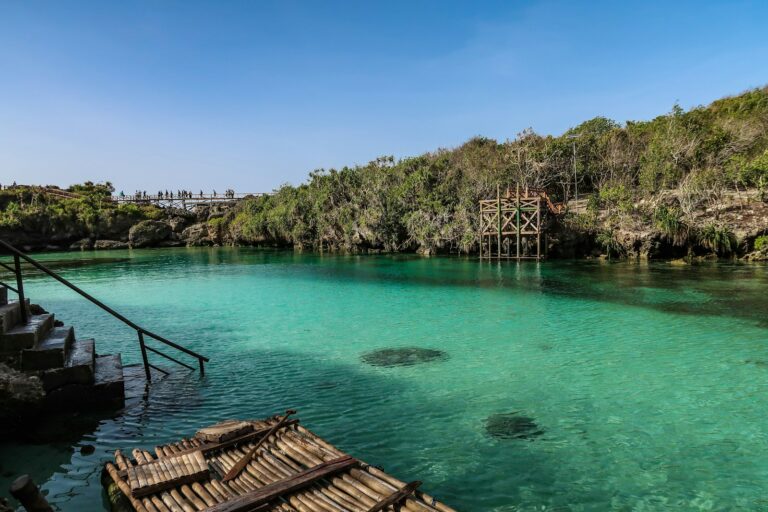
Sumba offers a wealth of experiences beyond the Pasola, from the turquoise waters of Weekuri lagoon and the dramatic cliffs of Mandorak beach to the intricate ikat weaving villages of East Sumba, where traditions are preserved through generations of artisans. You can visit traditional Marapu villages with their distinctive megalithic tombs and towering peak-roofed houses, or chase waterfalls like Lapopu and Waimarang. A well-designed itinerary can blend the thrill of Pasola with serene moments exploring Sumba’s natural beauty and rich cultural heritage.
Let us help you design a journey that authentically connects you to Sumba’s spirit. From navigating the unpredictable Pasola dates to ensuring respectful cultural engagement and comfortable logistics, we craft honest, immersive travel experiences.
Pasola Visitor’s Checklist
| Item | Importance | Notes |
|---|---|---|
| Telephoto Lens (100-400mm) | High | For safe, clear shots from a distance. |
| Modest Clothing | Critical | Covered shoulders and knees for village entry. A sarong is ideal. |
| Sun Protection | High | Hat, sunglasses, sunscreen. You’ll be outdoors for hours. |
| Water & Snacks | High | Limited amenities at the site. Stay hydrated. |
| Insect Repellent (DEET) | High | Malaria risk exists; apply regularly, especially at dawn/dusk. |
| Basic First Aid Kit | Medium | Band-aids, antiseptic wipes, pain relievers. |
| Power Bank | Medium | For phones/cameras, as charging points are scarce. |
| Cash (IDR) | High | For local purchases, small donations; ATMs are not available at Pasola sites. |
| Open Mind & Patience | Critical | The schedule is flexible, the experience raw and real. Embrace it. |
Frequently Asked Questions About How to Watch Pasola Sumba
Is Pasola dangerous for spectators?
Pasola can be dangerous for spectators if proper precautions are not taken. Spears, while blunted, are thrown with force and can fly into the crowd. It is crucial to stay at the absolute outer perimeter of the viewing area and never enter the field of play. Follow your guide’s instructions and observe where local spectators position themselves.
Can I take photos and videos at Pasola?
Generally, photography and videography are permitted from the edges of the Pasola arena. However, it is vital to always be respectful and mindful. Avoid interrupting rituals, do not obstruct others’ views, and always ask permission (via your guide) before taking close-up photos of individuals, especially elders or those participating in sacred ceremonies. Some moments may be deemed too sacred for photography; your guide will advise you.
How much does it cost to attend Pasola?
There is no official ticket price or entrance fee to attend Pasola itself. However, the costs associated with watching the festival include transport (often a 4WD vehicle and driver for several days), accommodation (which can be more expensive and limited during Pasola season), guide services, and meals. You might also wish to make a small, respectful donation to the local community as a gesture of appreciation.
What language is spoken in Sumba?
While Bahasa Indonesia is the national language and widely understood, Sumba has a rich linguistic diversity with several local languages such as Kambera (East Sumba), Wewewa, Kodi, and Lamboya (West Sumba). Having a local guide who speaks both Bahasa Indonesia and the regional dialect is invaluable for effective communication and cultural interpretation.
How long does the Pasola festival last?
The main Pasola jousting event typically lasts for several hours on a single day, often from late morning into the afternoon, though the timing is entirely at the discretion of the Rato and community leaders. However, the entire Pasola “festival” period stretches over several weeks, with different villages holding their ceremonies on various dates, all dependent on the *nyale* worm sightings and the Rato’s pronouncements. The day of the main event itself includes ceremonial phases that begin early in the morning.
Sumba Pasola Practical Guide: My Final Thoughts
Witnessing Pasola is an experience unlike any other, a raw, authentic glimpse into the heart of Sumba’s Marapu culture. It demands patience, flexibility, and a deep respect for traditions that have endured for centuries. This isn’t a curated show; it’s life, ritual, and belief unfolding before you.
At Sumba Private Tour, we are committed to connecting travellers to Sumba honestly. We navigate the challenges – the unpredictable dates, the rough roads, the cultural nuances – to build itineraries that are authentic, culturally respectful, and honestly briefed. We believe this is the only way to truly experience the magic of Sumba.
Ready to plan your trip to Sumba and experience Pasola? plan your trip with us. We’re also available for quick questions and planning via WhatsApp. We look forward to sharing Sumba with you.
Keep Reading
Uncategorized
Is Sumba Family-Friendly? Travelling with Children to Sumba Island
Considering a Sumba with family trip? Our editorial desk offers candid advice on safety, malaria, roads, and activities for a…
Uncategorized
Photography in Sumba: Tips, Ethics & the Best Locations to Shoot
A practical Sumba photography guide covering ethical practices, essential gear, and the best locations like Walakiri, Weekuri, Ratenggaro, and Pasola.
Uncategorized
Konda Lake East Sumba: Birdwatching at Sumba’s Hidden Waterway
Discover Konda Lake East Sumba, a tranquil tidal waterway near Waingapu, ideal for Konda Lake birdwatching and observing Sumba's unique…