
East Sumba Travel Guide: Waingapu, Walakiri & Ikat Villages
An **east sumba travel guide** offers a glimpse into the more arid, culturally rich, and less-explored side of Sumba Island. As your Sumba Private Tour curator, I’m here to help you navigate Sumba Timur travel with genuine insights, from the iconic sunsets of Walakiri Beach to the intricate artistry of its ikat weaving villages.
East Sumba, known locally as Sumba Timur, presents a distinct face of the island compared to its greener, more developed western counterpart. It’s a land defined by its rolling savannas, ancient Marapu traditions, and the deeply ingrained practice of hand-woven ikat. This guide provides an honest look at what to expect, how to prepare, and how to connect meaningfully with this compelling region.
Why East Sumba? The Distinct Charm of Sumba Timur
For travelers seeking an authentic off-the-beaten-path Indonesian experience, East Sumba offers a compelling journey. It stands apart from West Sumba in several key aspects, making it an essential part of a comprehensive Sumba itinerary.
A Landscape Shaped by Aridity
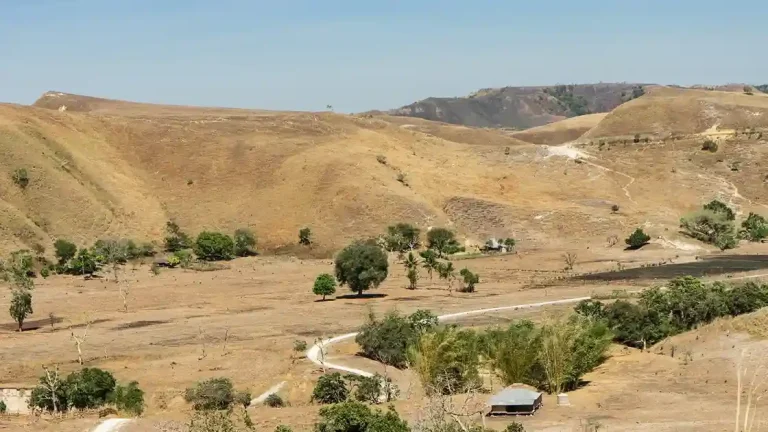
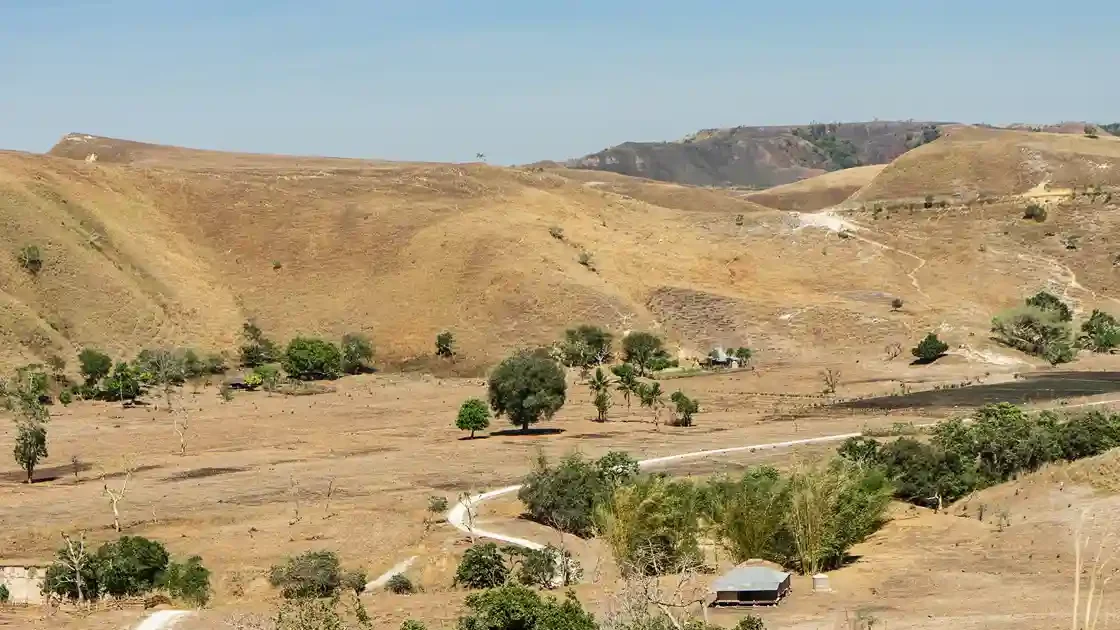
East Sumba’s climate is noticeably drier than the west. Its landscape is characterized by vast, undulating savannas, punctuated by lontar palms and the occasional small forest. During the dry season (roughly May to October), the hills turn golden brown, creating dramatic, stark vistas. This arid environment has shaped the local way of life, influencing everything from agriculture to the distinct character of its communities. The dry season brings consistently sunny days, ideal for exploring, though temperatures can be high. The wet season (November to April) transforms the landscape into a vibrant green, but also brings challenges with road conditions.
The Heart of Ikat Weaving Tradition
Perhaps the most significant cultural difference in East Sumba is its profound connection to ikat weaving. While ikat is found across Sumba, East Sumba is widely considered the epicenter of its most complex and revered forms. Villages here have preserved centuries-old techniques, patterns, and natural dyeing processes. Each piece of ikat tells a story, often depicting ancestral figures, animals, or Marapu symbols, and holds deep spiritual significance. Visiting these villages offers a rare opportunity to witness this intricate art form firsthand, understand its cultural context, and engage directly with the artisans.
Gateway to the East: Connectivity and Beyond
Geographically, East Sumba is closer to other islands in East Nusa Tenggara. Waingapu, the administrative capital, serves as a crucial transport hub. It hosts Umbu Mehang Kunda Airport (WGP), which connects Sumba to Kupang and Bali, and a ferry port that links the island to destinations like Savu, Rote, and Flores. For those planning a multi-island adventure in eastern Indonesia, East Sumba often serves as a natural starting point or transition point.
Waingapu: East Sumba’s Gateway and Administrative Hub
Waingapu is the largest town in East Sumba and the primary entry and exit point for most visitors. While not a tourist destination in itself, it serves as a practical base for exploring the surrounding areas.
Arrivals and Departures: Transport in Waingapu
Umbu Mehang Kunda Airport (WGP) is located just a short drive from the city center, typically 10-15 minutes by car. Flights operate daily to and from Denpasar, Bali (DPS), and Kupang, West Timor (KOE), with various airlines. It’s advisable to book flights well in advance, especially during peak seasons.
The ferry port in Waingapu offers connections to other islands. Public ferries operate on a less fixed schedule, often dependent on weather and passenger demand. If you’re considering ferry travel, be prepared for potential delays and basic facilities. For a **waingapu sumba guide** to onward travel, always check the latest schedules locally or with your Sumba Private Tour guide.
Accommodation and Dining Options
Accommodation in Waingapu is functional rather than luxurious. You’ll find a selection of guesthouses and basic hotels, primarily catering to local business travelers. Options generally offer air-conditioning, private bathrooms, and sometimes simple breakfast. Prices for a standard room typically range from IDR 250,000 to IDR 700,000 per night (last verified June 2026). For a more curated experience, especially if you prioritize comfort, consider staying slightly outside Waingapu or planning day trips from a more comfortable base in the west if your itinerary allows.
Dining in Waingapu revolves around local Indonesian fare. Small warungs and basic restaurants serve staples like nasi goreng, mie goreng, and various curries. Seafood options are available, given its coastal location. Don’t expect a wide array of international cuisine or upscale dining. Embrace the local flavors, which are often fresh and hearty.
Practicalities for Your Sumba Timur Tour
Waingapu has the most reliable infrastructure in East Sumba. You’ll find ATMs here, though it’s always wise to carry sufficient cash, especially when venturing into more remote areas. Mobile phone signal is generally good within the town, but coverage can become sporadic as you move further afield. A local SIM card (Telkomsel is usually best) is recommended for connectivity.
Iconic Sights and Experiences in East Sumba
Beyond Waingapu, East Sumba truly reveals its character through its natural beauty and deeply rooted cultural sites. This section details **east sumba what to see** and experience.
Walakiri Beach: Mangrove Silhouettes at Sunset
Located approximately 30 minutes drive east of Waingapu, Walakiri Beach is famous for its unique dancing mangrove trees. These distinctive mangroves, with their slender trunks and whimsical shapes, create a truly photogenic scene, especially at sunset. As the sun dips below the horizon, the sky erupts in hues of orange and purple, silhouetting the mangroves against the dramatic backdrop.
The beach itself is relatively calm, with shallow waters ideal for wading. There are usually a few local vendors selling snacks and drinks. While it can get busy with local visitors on weekends and holidays, during weekdays it often offers a peaceful experience. It’s a must-visit for photographers and anyone looking for a memorable Sumba sunset.
Prailiu Ikat Village: A Living Tradition
Just 20 minutes by car from Waingapu, Prailiu is one of the most accessible ikat weaving villages in East Sumba. This village offers a direct window into the intricate process of creating Sumba’s renowned textiles. Upon arrival, you’ll typically be greeted by local women who demonstrate the various stages of ikat weaving, from spinning cotton and tying the patterns (ikat means “to tie”) to dyeing with natural pigments derived from plants and trees, and finally, the meticulous weaving on backstrap looms.
When visiting Prailiu or any other adat village, cultural respect is paramount. It is customary to ask permission before taking photographs, especially of individuals. A small monetary contribution directly to the weavers or the community is a thoughtful gesture, acknowledging their time and artistry. This supports the preservation of their craft. You’ll have opportunities to purchase authentic ikat directly from the artisans, with prices varying significantly based on the complexity, size, and dyes used. Expect a small, intricate piece to start around IDR 500,000, while a large, detailed cloth with natural dyes can easily exceed IDR 5,000,000 (last verified June 2026).
Konda Lake: A Birder’s Retreat
For nature enthusiasts and birdwatchers, Konda Lake (Danau Konda) offers a tranquil escape. Situated further south from Waingapu, the journey can take around 1.5 to 2 hours, depending on road conditions. The lake is a freshwater ecosystem, a rarity in the often-arid landscape of East Sumba. It attracts a variety of resident and migratory bird species, making it a peaceful spot for observation.
Expect to see various waterfowl, egrets, and perhaps some raptors. The surroundings are generally quiet, offering a chance to connect with Sumba’s natural environment away from the main settlements. There are usually no formal facilities, so bring your own water and snacks. The paths around the lake can be uneven, so comfortable walking shoes are advisable.
Exploring Remote Ikat Villages: Beyond Prailiu
While Prailiu is accessible, East Sumba is home to many other ikat villages, some more remote and offering an even deeper immersion into the tradition. Villages like Pau or Rende (further south and west, respectively, from Waingapu) are known for their specific styles and often involve longer, more challenging drives, especially during the wet season. A **sumba timur tour** that delves into these areas requires careful planning and a reliable 4WD vehicle.
These villages often feature traditional Marapu houses with their distinctive towering roofs and ancestral megalithic tombs. Engaging with these communities means witnessing daily life, which is deeply intertwined with Marapu beliefs and the cycles of weaving. Always travel with a local guide who understands the customs and can facilitate respectful interactions. Bringing a small gift (like betel nut, coffee, or sugar) for the village elders is a customary sign of respect, though not always mandatory.
Planning Your Sumba Timur Tour: Practical Considerations
An honest approach to travel in East Sumba acknowledges both its beauty and its challenges. Preparation is key to a rewarding experience.
Best Time to Visit: Seasons and Roads
The dry season, from May to October, is generally considered the best time for East Sumba travel. The weather is consistently sunny, and the roads, while often rough, are more navigable. This is also when the landscape takes on its iconic golden-brown hue.
The wet season, from November to April, transforms the landscape into a lush green, but it also brings heavy rains. Many roads, particularly those leading to more remote villages or natural attractions, can become extremely muddy, deeply rutted, and sometimes impassable without a high-clearance 4WD vehicle. River crossings can swell, and travel times will increase significantly. If you plan to visit during the wet season, factor in extra time and flexibility.
Getting Around: The Necessity of 4WD
For any meaningful exploration beyond Waingapu, a 4WD vehicle with an experienced local driver is essential. Roads vary from paved sections in and around Waingapu to rough, unpaved, rocky, or muddy tracks elsewhere. There is no public transportation system suitable for tourists exploring the island’s attractions. Self-driving is not recommended due to challenging road conditions, lack of clear signage, and local driving customs. Your Sumba Private Tour curator can arrange reliable transport with knowledgeable drivers who understand the terrain and local etiquette.
Cultural Respect: Marapu Adat Communities
Sumba is deeply spiritual, with the indigenous Marapu religion shaping much of daily life and social structure. When visiting adat (traditional) communities, particularly those with ancestral tombs or sacred houses, it is crucial to show utmost respect.
* **Dress Modestly:** Cover your shoulders and knees.
* **Ask Permission:** Always ask your guide to seek permission from village elders (kepala desa or rato) before entering a village, taking photographs, or walking through sacred areas.
* **Offer a Small Gift:** A traditional token of respect, such as betel nut (sirih pinang), cigarettes, or a small amount of money, is often appreciated by the elders. Your guide will advise on appropriate gestures.
* **Listen to Your Guide:** They are your bridge to understanding and navigating local customs respectfully.
Remember, Sumba’s culture is living and vibrant, not a performance. Your presence as a visitor is a privilege.
Health and Safety: Malaria and Sun Protection
Sumba is a malaria-risk area. Consult your doctor about anti-malarial medication before your trip. Always use insect repellent, especially during dawn and dusk, and sleep under mosquito nets where available. Dengue fever is also a risk, so mosquito protection is important.
The Sumba sun can be intense. Wear a hat, sunglasses, and high-SPF sunscreen. Stay hydrated by drinking plenty of bottled water. While tap water is generally not safe to drink, bottled water is widely available.
A Suggested 2-Day East Sumba Itinerary
To give you a clearer picture of what’s possible, here’s a sample 2-day **sumba timur tour** itinerary, focusing on the highlights. This assumes arrival and departure via Waingapu.
Day 1: Arrival, Sunset, and Cultural Immersion
* **Morning/Midday:** Arrive at Umbu Mehang Kunda Airport (WGP) in Waingapu. Your Sumba Private Tour driver will meet you for transfer to your accommodation.
* **Afternoon:** Settle in. Depending on your arrival time, you might have time to explore Waingapu’s small local market for a glimpse of daily life.
* **Late Afternoon:** Drive approximately 30 minutes east to Walakiri Beach. Spend time enjoying the serene atmosphere and capturing the iconic dancing mangroves as the sun sets.
* **Evening:** Return to Waingapu for dinner at a local restaurant.
Day 2: Ikat Weaving, Nature, and Local Life
* **Morning:** After breakfast, drive to Prailiu Ikat Village (20 minutes from Waingapu). Spend a couple of hours engaging with the weavers, learning about the ikat process, and respectfully purchasing textiles directly.
* **Late Morning/Lunch:** Travel south to Konda Lake (approx. 1.5-2 hours drive, depending on roads). Enjoy birdwatching and the peaceful natural surroundings. Pack a picnic lunch to enjoy by the lake, as facilities are limited.
* **Afternoon:** On your return journey towards Waingapu, if time and road conditions permit, make a stop at another, slightly more remote adat village (your guide can suggest options) to experience a different community and see traditional Marapu houses and megalithic structures. This offers a deeper, more personal connection.
* **Late Afternoon:** Return to Waingapu.
* **Evening:** Dinner and perhaps some last-minute souvenir shopping (if any shops are open). Prepare for your departure the following day.
This itinerary is flexible and can be customized based on your interests, pace, and the specific timing of your visit.
East Sumba vs. West Sumba: A Quick Comparison
To help you decide how to allocate your time, here’s a brief comparison of key features:
- Landscape
-
East Sumba: Arid, golden savannas, lontar palms, dramatic dry season vistas.
West Sumba: Greener, rolling hills, rice paddies, more lush vegetation, especially during the wet season. - Cultural Focus
-
East Sumba: Epicenter of complex ikat weaving, strong Marapu traditions, ancestral villages.
West Sumba: Known for traditional Marapu villages with towering roofs, megalithic tombs, Pasola ritual. - Main Attractions
-
East Sumba: Walakiri Beach (mangroves), Prailiu & other ikat villages, Konda Lake (birdwatching).
West Sumba: Weekuri Lagoon, Mandorak Beach, Lapopu Waterfall, Ratenggaro & Praijing villages, Pasola fields. - Connectivity
-
East Sumba: Waingapu Airport (WGP) & ferry port, closer to Flores.
West Sumba: Tambolaka Airport (TMC), closer to Bali (more direct flights often). - Tourism Development
-
East Sumba: Less developed tourism infrastructure, more basic accommodation, truly off-the-beaten-path.
West Sumba: More developed, including luxury resorts (e.g., NIHI Sumba) and more varied accommodation options.
Ready to explore the distinct beauty and culture of East Sumba? If you’re planning a trip and need a trusted partner who connects travelers to Sumba honestly, we’re here to help. Plan your trip with us, and we can discuss your interests via WhatsApp to craft an itinerary that truly suits you.
What is the main airport for East Sumba?
The main airport for East Sumba is Umbu Mehang Kunda Airport (WGP) in Waingapu. It offers connections to Denpasar, Bali (DPS) and Kupang, West Timor (KOE).
Is East Sumba safe for tourists?
East Sumba is generally safe for tourists. As with any travel, exercising common sense, respecting local customs, and being aware of your surroundings are important. Malaria is a risk, so proper precautions are advised.
How do I get around East Sumba?
The best way to get around East Sumba is by hiring a private 4WD vehicle with an experienced local driver. Roads can be challenging, especially in the wet season, and public transport options are very limited for tourists.
What is the best time of year to visit East Sumba?
The dry season, from May to October, is generally the best time to visit East Sumba. The weather is sunny, and roads are more navigable, making it easier to reach remote attractions.
What cultural considerations should I be aware of in East Sumba?
Sumba has a strong Marapu cultural tradition. Always dress modestly, ask permission before entering villages or taking photos (especially of people), and consider offering a small customary gift to village elders. Your local guide will be invaluable in navigating these cultural nuances respectfully.
East Sumba offers an experience unlike any other in Indonesia – rugged, authentic, and profoundly rich in culture. It’s a place that demands a certain level of preparedness and an open mind, but rewards visitors with unforgettable connections and insights into a truly unique way of life. We believe in building itineraries that connect you to Sumba honestly, ensuring your journey is both enriching and respectful. No one can pay to change what we publish; if you proceed with our partner they may pay us a referral fee at no extra cost to you. If you’re ready to discover the heart of ikat weaving, the dramatic landscapes, and the warm communities of Sumba Timur, let’s start planning your adventure. Plan your trip with us today, and we’ll connect via WhatsApp to discuss your ideal Sumba experience.
Keep Reading
Uncategorized
Is Sumba Family-Friendly? Travelling with Children to Sumba Island
Considering a Sumba with family trip? Our editorial desk offers candid advice on safety, malaria, roads, and activities for a…
Uncategorized
Photography in Sumba: Tips, Ethics & the Best Locations to Shoot
A practical Sumba photography guide covering ethical practices, essential gear, and the best locations like Walakiri, Weekuri, Ratenggaro, and Pasola.
Uncategorized
Konda Lake East Sumba: Birdwatching at Sumba’s Hidden Waterway
Discover Konda Lake East Sumba, a tranquil tidal waterway near Waingapu, ideal for Konda Lake birdwatching and observing Sumba's unique…