
The Sandlewood Horse of Sumba: A Living Symbol of Marapu Culture
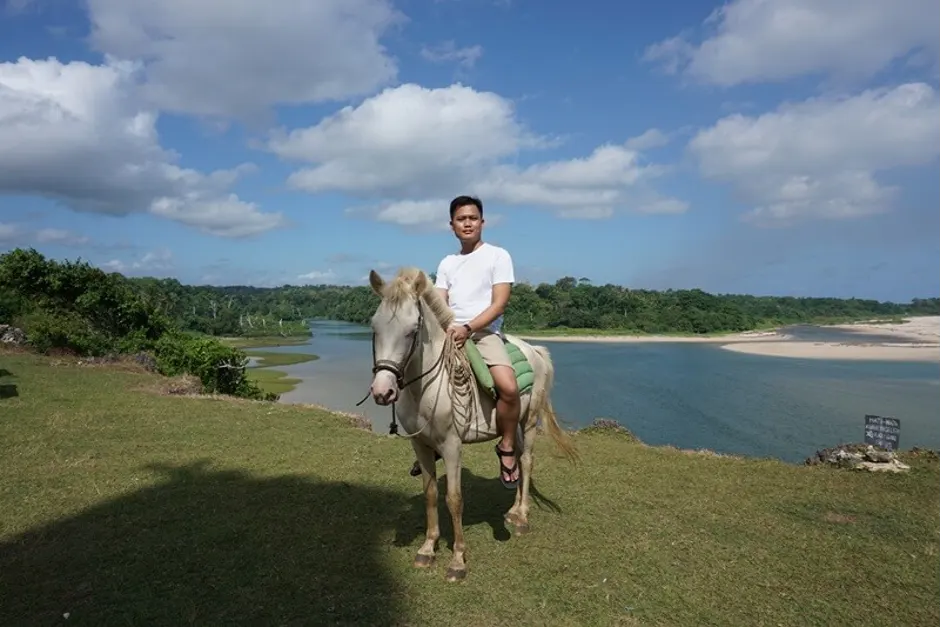
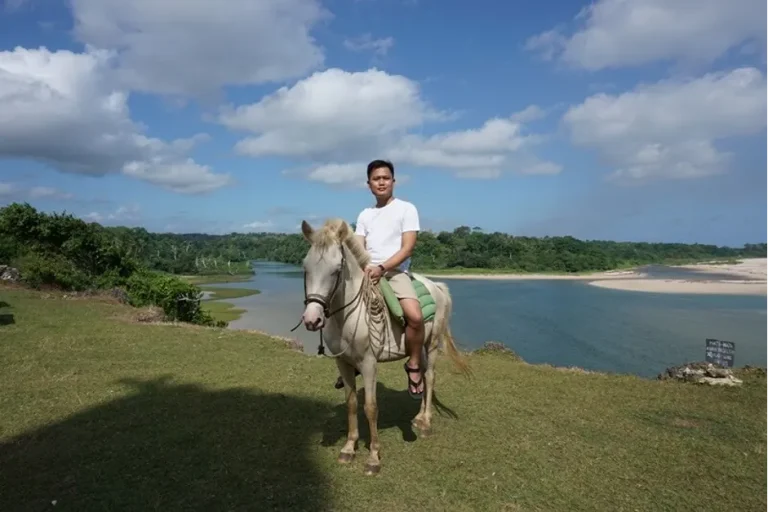
The `sandlewood horse sumba` is more than just an animal; it is a living symbol, intrinsically tied to the Marapu spiritual beliefs and daily life of Sumba. This indigenous `sumba horse breed`, often referred to as the Sandalwood pony or `sandalwood pony sumba`, embodies the island’s spirit, reflecting both its rugged beauty and profound cultural heritage.
## The Ancestral Roots of Sumba’s Equine Legacy
For centuries, horses have been central to Sumba, far beyond their practical utility. The arrival of horses on the island is believed to predate European contact, with theories suggesting ancient trade routes from mainland Asia or other Indonesian islands. These early equine populations adapted to Sumba’s distinct savannah landscapes, evolving into the resilient `sandlewood horse sumba` we know today.
Historically, horses were a marker of status, wealth, and power among Marapu communities. Chieftains and noble families maintained large herds, using them for transport across the island’s challenging terrain, for warfare, and crucially, for ceremonial purposes. The very fabric of Sumba’s social structure and spiritual practices became interwoven with the presence and symbolism of these magnificent animals.
The breed’s name, “Sandalwood,” is often attributed to Sumba’s historical fame as a source of sandalwood timber. While the horses themselves are not made of wood, the association highlights their significance as a valuable commodity and cultural icon from an island renowned for its precious resources. These `sumba traditional horses` have witnessed generations of change, yet their fundamental role in Marapu culture endures.
## Characteristics of the Sandalwood Pony Sumba
The `sandalwood pony sumba` is renowned for its strength, stamina, and gentle disposition, making it an ideal companion for the Sumba people. Despite their relatively small stature, these ponies are incredibly hardy, capable of traversing long distances across Sumba’s varied topography, from dry savannahs to rocky hillsides.
Here are some key characteristics of the `sumba horse breed`:
- Average Height
- Typically 12-13 hands (48-52 inches or 122-132 cm) at the wither, classifying them as ponies.
- Build
- Compact, sturdy, and well-muscled, indicative of their endurance and agility. They possess a deep chest and strong back.
- Head
- Refined, with a straight profile, intelligent eyes, and small, alert ears.
- Neck
- Arched and strong, blending smoothly into powerful shoulders.
- Legs
- Clean and solid, with hard hooves that require minimal shoeing, perfectly adapted to Sumba’s varied terrain.
- Coat Colors
- Varied, including bay, chestnut, black, grey, and occasionally dun or palomino. Some may display primitive markings like a dorsal stripe.
- Temperament
- Generally docile, willing, and spirited, making them suitable for riding by people of all ages. They are known for their intelligence and loyalty.
- Lifespan
- Similar to other pony breeds, often living for 20-30 years with proper care and nutrition.
Their adaptability to Sumba’s sometimes harsh environment – long dry seasons, limited grazing, and challenging roads – speaks volumes about their resilience. These are not horses bred for show; they are horses bred for life on Sumba.
## The Sandlewood Horse in Marapu Culture: More Than Just an Animal
The spiritual and societal importance of the `sandlewood horse sumba` cannot be overstated. In Marapu belief, the horse serves as a crucial link between the living and the ancestral spirits, facilitating journeys to the afterlife and serving as a conduit for blessings.
### Pasola: The Ritual Spear-Fighting Festival
Perhaps the most famous role of `sumba traditional horses` is in the Pasola festival. This ancient, often fierce, ritual takes place annually in specific villages in West Sumba (Waitabula, Lamboya, Kodi, and Wanokaka) and East Sumba (though less frequently publicised). Pasola involves two groups of horsemen, representing different villages or clans, charging at each other on horseback, throwing blunt wooden spears. It is a spectacle of skill, bravery, and deep spiritual significance.
The timing of Pasola is dictated by the Rato (traditional priests) who read the `nyale` worms (sea worms) that emerge from the sea once a year, usually around February or March, after the full moon. This means the dates are never fixed far in advance, adding an element of unpredictability to planning a visit. We always advise travellers that Pasola dates are announced very close to the event, sometimes just days before. Patience and flexibility are essential.
The horses used in Pasola, often specifically trained `pasola horses`, are adorned with vibrant traditional textiles, feathers, and bells. They are chosen for their speed, agility, and courage. Riding into the fray, the horsemen are not simply competing; they are participating in a sacred ritual believed to cleanse the land, appease the ancestors, and ensure a bountiful harvest. While Pasola can appear violent to outsiders, it is a deeply meaningful cultural expression for the Sumba people, and respectful observation is paramount.
### Bridewealth (Belis) and Social Standing
Beyond Pasola, `sumba traditional horses` play a significant role in `belis`, or bridewealth payments. In Marapu society, the transfer of `belis` from the groom’s family to the bride’s family is a fundamental part of a legitimate marriage. It is a complex negotiation, not merely a transaction, symbolising the union of two families and the bride’s value.
Horses, alongside buffalo, gold, and other traditional items, constitute a substantial portion of `belis`. The number and quality of horses offered reflect the status and wealth of the families involved. A strong, healthy `sandlewood horse sumba` is a highly prized asset, signifying respect and commitment. These exchanges are integral to maintaining social order and strengthening community bonds.
### Daily Life and Symbolism
In everyday Sumba life, horses continue to be vital. They serve as primary transportation for people and goods, especially in remote areas where roads are challenging – particularly during the wet season when a 4WD vehicle is a necessity for many routes. Children learn to ride at a young age, often bareback, forging a strong bond with these animals.
The horse also symbolises courage, freedom, and strength. Its image is found in traditional carvings, textiles (ikat), and the architecture of Marapu houses. It is a constant, visible reminder of Sumba’s unique identity.
## Wild Herds and the Savannah Landscape
Sumba’s expansive savannahs, particularly in the drier eastern parts of the island, are home to herds of semi-wild `sandalwood pony sumba`. These horses roam freely, grazing on sparse grasses, embodying a sense of wild freedom. Witnessing these herds gallop across the vast, undulating landscapes, often against the backdrop of a dramatic Sumba sunset, is an unforgettable experience.
Spotting wild herds requires patience and sometimes a bit of luck. They are not always in predictable locations. We often guide travellers to areas known for horse sightings, but sightings are never guaranteed. The behaviour of these semi-wild horses is different from domesticated ones; they are more wary and maintain their distance.
The best time to potentially see larger gatherings of horses on the savannah is towards the end of the dry season (around October-November) when they might congregate near remaining water sources. During the wet season (December-April), the landscape transforms into a vibrant green, but accessibility can be more challenging due to muddy roads.
## Conservation Challenges: Preserving the Pure `Sumba Horse Breed`
While the sight of the `sandlewood horse sumba` is ubiquitous on the island, the purity of the breed faces challenges. Over time, cross-breeding with other horse breeds, introduced from outside Sumba, has led to a decline in the number of genetically pure Sandalwood ponies. This cross-breeding can dilute the unique characteristics and hardiness that make the `sumba horse breed` so special and well-adapted to its environment.
Efforts to conserve the pure `sandalwood pony sumba` are crucial for preserving Sumba’s living heritage. These efforts often involve local communities and passionate individuals working to maintain distinct breeding lines. Supporting initiatives that promote responsible breeding and raise awareness about the importance of the pure breed is vital for its future.
## Where to See and Experience Sumba’s Horses
Experiencing the `sandlewood horse sumba` is an integral part of any authentic Sumba journey. While seeing `pasola horses` in action during the festival is a unique opportunity, it requires very flexible travel plans.
For general sightings:
* **Savannahs of East Sumba:** Areas around Prailiu and throughout the vast grasslands offer the best chances to see semi-wild herds.
* **Villages:** In most traditional Marapu villages, you will see horses tethered, being ridden by locals, or grazing nearby. Visiting these villages provides a window into their daily interaction with these animals.
* **Coastal Areas:** Horses are sometimes ridden along Sumba’s pristine beaches, especially at sunset, offering incredible photographic opportunities.
When planning your trip with us to experience Sumba’s horses, we ensure it’s done respectfully. We connect you with local guides who understand the nuances of Marapu culture, ensuring your interactions are meaningful and appropriate. This might involve visiting a local stable or observing horses from a distance on the savannah.
Plan your trip to Sumba with us, and we can discuss how to incorporate ethical and authentic experiences with these magnificent animals. You can also reach out via WhatsApp for a direct chat about your Sumba adventure.
## Ethical Photography and Cultural Respect
Photographing the `sandlewood horse sumba`, especially in cultural contexts like Pasola or within villages, requires a high degree of sensitivity and respect.
* **Always ask permission:** Before taking photos of people, particularly in traditional attire or during ceremonies, always seek permission. A smile and a gesture often suffice, but your local guide can facilitate communication.
* **Maintain distance:** When observing Pasola or wild herds, keep a respectful distance to avoid disturbing the event or the animals.
* **Be mindful of context:** Understand that these horses are not just tourist attractions; they are integral to the lives and beliefs of the Sumba people. Your presence should be as an observer, not a disruptor.
* **No flash photography:** Especially during ceremonies or around animals, flash photography can be disruptive or startling.
Our commitment at Sumba Private Tour is to connect you with Sumba honestly. This means being candid about the realities – the roads that require 4WD in the wet season, the unpredictable Pasola dates, and the absolute necessity of cultural respect. We believe the true beauty of Sumba lies not just in its landscapes, but in its vibrant, living culture, where the `sandlewood horse sumba` holds a place of profound reverence.
No one can pay to change what we publish; if you proceed with our partner they may pay us a referral fee at no extra cost to you. Our focus remains on providing authentic, culturally respectful, and honestly briefed experiences for international and Indonesian travellers seeking off-the-beaten-path Indonesia.
### Frequently Asked Questions About Sumba’s Horses
### Can I ride a Sandalwood horse in Sumba?
Yes, it is possible to arrange horse riding experiences in Sumba, often through local operators or guesthouses. These experiences typically involve riding domesticated Sandalwood ponies along beaches or through village paths. We can help connect you with reputable local providers who prioritise animal welfare and offer authentic experiences.
### Are there any dangers associated with the Pasola festival?
Pasola is a traditional ritual that involves spear-throwing and charging horses, and as such, it carries inherent risks. While the spears are blunt, injuries can occur to both riders and spectators. We always advise maintaining a safe distance and following the guidance of local officials and your Sumba Private Tour guide. It is a powerful cultural event, but safety and respectful observation are paramount.
### How do I ensure my visit is respectful to Marapu culture?
Respecting Marapu culture is fundamental to any visit to Sumba. This includes dressing modestly, especially when visiting villages or sacred sites; always asking permission before taking photographs of people; removing shoes before entering traditional homes; and accepting offerings or invitations graciously. Your Sumba Private Tour guide will provide detailed guidance on cultural etiquette throughout your journey, ensuring your interactions are respectful and positive.
### Is malaria a concern when visiting Sumba and interacting with horses?
Malaria is present in Sumba, particularly during the wet season. While direct interaction with horses doesn’t increase your risk, it’s crucial to take preventative measures regardless of your activities. We strongly recommend consulting your doctor about malaria prophylaxis, using mosquito repellent consistently, and sleeping under mosquito nets. Your health and safety are a priority, and we provide comprehensive advice on health precautions for your Sumba trip.
### What is the best time of year to see Sandalwood horses in Sumba?
Sandalwood horses can be seen year-round, but specific experiences vary by season. The dry season (May to November) offers easier travel across the island, making it simpler to reach savannah areas where semi-wild herds roam. The Pasola festival, where `pasola horses` are central, typically occurs around February or March, during the transition from wet to dry season, but remember dates are very flexible. Ultimately, any time of year can offer opportunities to appreciate these magnificent animals.
Ready to explore Sumba and witness the enduring spirit of the `sandlewood horse sumba`? Plan your trip with Sumba Private Tour today. Our team is available via WhatsApp to help craft your ideal Sumba adventure, connecting you with the heart of this extraordinary island.
Keep Reading

Uncategorized
Is Sumba Family-Friendly? Travelling with Children to Sumba Island
Considering a Sumba with family trip? Our editorial desk offers candid advice on safety, malaria, roads, and activities for a…
Uncategorized
Photography in Sumba: Tips, Ethics & the Best Locations to Shoot
A practical Sumba photography guide covering ethical practices, essential gear, and the best locations like Walakiri, Weekuri, Ratenggaro, and Pasola.
Uncategorized
Konda Lake East Sumba: Birdwatching at Sumba’s Hidden Waterway
Discover Konda Lake East Sumba, a tranquil tidal waterway near Waingapu, ideal for Konda Lake birdwatching and observing Sumba's unique…