
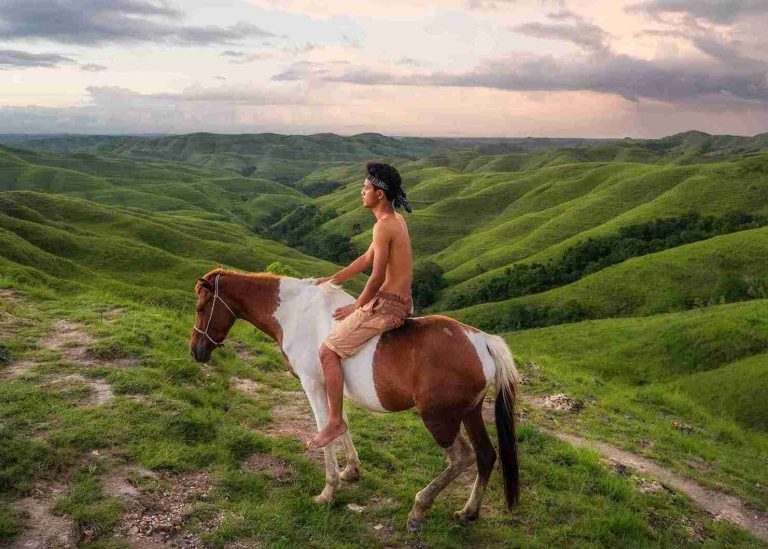
Photography in Sumba: Tips, Ethics & the Best Locations to Shoot
Hello from the editorial desk at Sumba Private Tour.
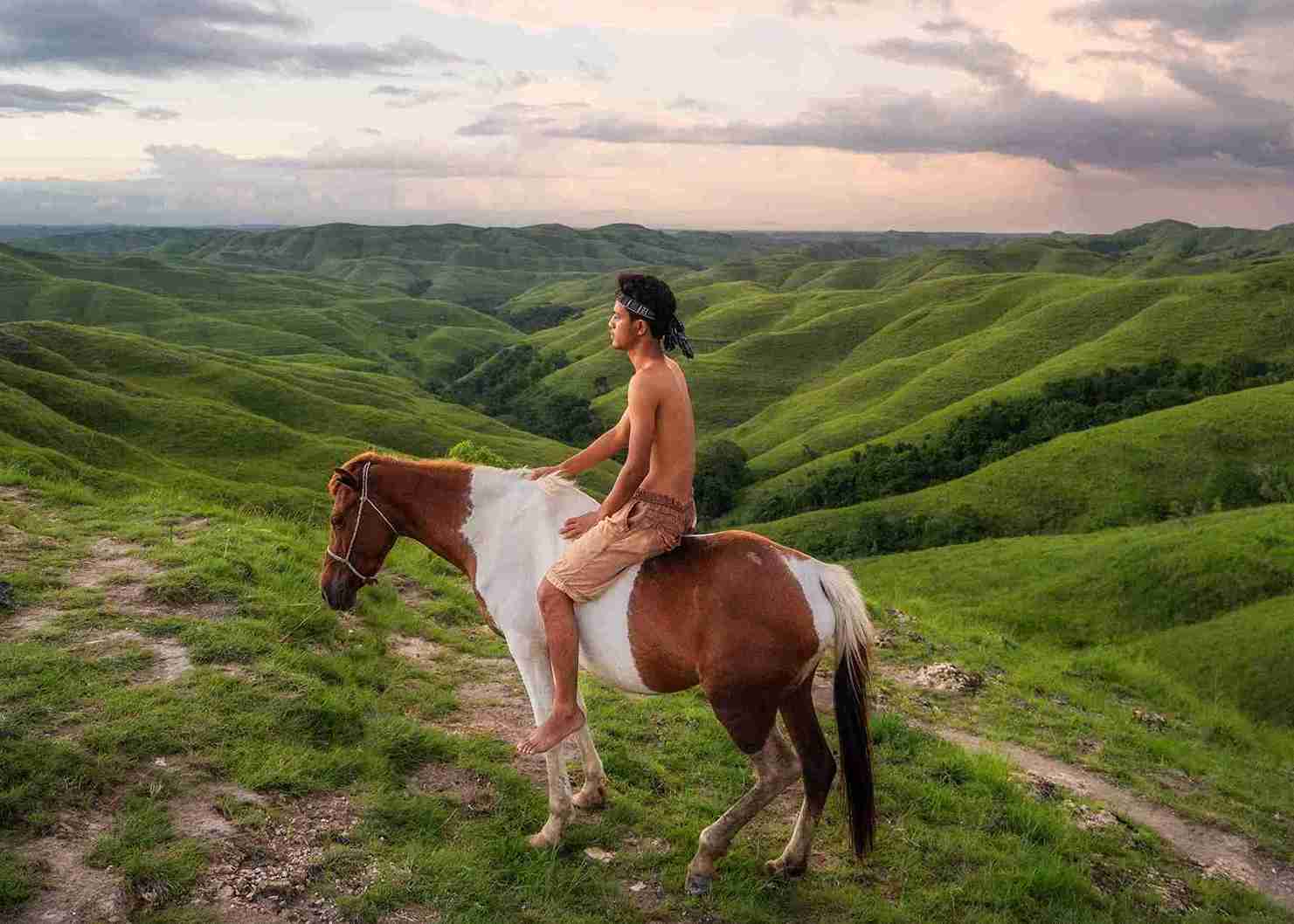
Sumba has a way of getting under your skin. It’s an island of raw landscapes, ancient traditions, and a light that feels different—thicker, warmer, and full of character. For a photographer, it presents a profound opportunity not just to take pictures, but to document a way of life that feels a world away from our own.
But capturing the spirit of Sumba requires more than good equipment. It demands patience, cultural awareness, and a willingness to put the camera down and simply be present. This is not a place of easy, signposted photo spots. It is a living, breathing island where every frame has a story, and every portrait is an interaction.
This Sumba photography guide is built from our team’s collective experience on the ground. It’s designed to help you prepare, find the best light, and—most importantly—engage with the island and its people in a way that is respectful and meaningful.
### The Foundation: Photography Ethics in Sumba
Before we discuss lenses and locations, we must start here. Sumba is not a museum. The villages are homes, the tombs are sacred burial sites for revered ancestors, and the ceremonies are deeply spiritual expressions of the Marapu faith. Your camera can be a bridge or a barrier. Here is how to ensure it is the former.
**1. Your Guide is Your Cultural Translator**
Consider your guide more than a driver; they are your facilitator and your first point of contact with the local culture. Before raising your camera in a traditional village (*kampung adat*), always speak with your guide. They will approach the village head (*kepala desa*) or a respected elder, explain your intentions, and formally ask for permission on your behalf. This simple act of protocol changes the entire dynamic from one of tourism to one of welcomed guests.
**2. Photographing People: An Act of Connection**
The faces of Sumba, etched with stories of sun and hardship, are incredibly compelling. But a person is not a landscape. Never take a close-up photograph of someone, especially an elder, without first establishing a connection.
* **Start with a smile and a gesture.** A simple nod and pointing to your camera is a universal question. A nod back is permission. A turned head or a hand wave is a clear ‘no’. Respect it immediately.
* **Show them the photo.** One of the best ways to build rapport is to show the person their picture on your camera’s screen. This shared moment often brings smiles and laughter, breaking down any lingering apprehension.
* **Consider your equipment.** In a village, a large DSLR with a long lens can feel intrusive and intimidating. Sometimes, the best tool is your smartphone. It’s discreet and feels far less formal, often resulting in more natural and relaxed interactions.
**3. Respecting the Sacred**
The Marapu belief system is woven into every aspect of Sumbanese life. You will see megalithic tombs in the centre of villages and offerings left in significant places. Some areas, particularly specific tombs or parts of a traditional house (*uma mbatangu*), may be off-limits to photography. If your guide informs you of this, the rule is absolute. There is no negotiation. Honouring these requests is the most significant sign of respect you can offer.
**4. Avoid Transactional Photography**
Please do not offer money directly to people in exchange for a photograph. This can create a culture of expectation that is unhealthy for the community in the long term. A better approach is to contribute to the village economy. Buy a beautiful, hand-woven *ikat* textile from the woman you wish to photograph, purchase local coffee, or participate in the custom of sharing betel nut if offered. This creates a reciprocal exchange, not a transaction.
### Essential Gear for a Sumba Photography Trip
You can capture good images with any camera, but to make the most of Sumba’s varied environments, a few specific pieces of gear are highly recommended.
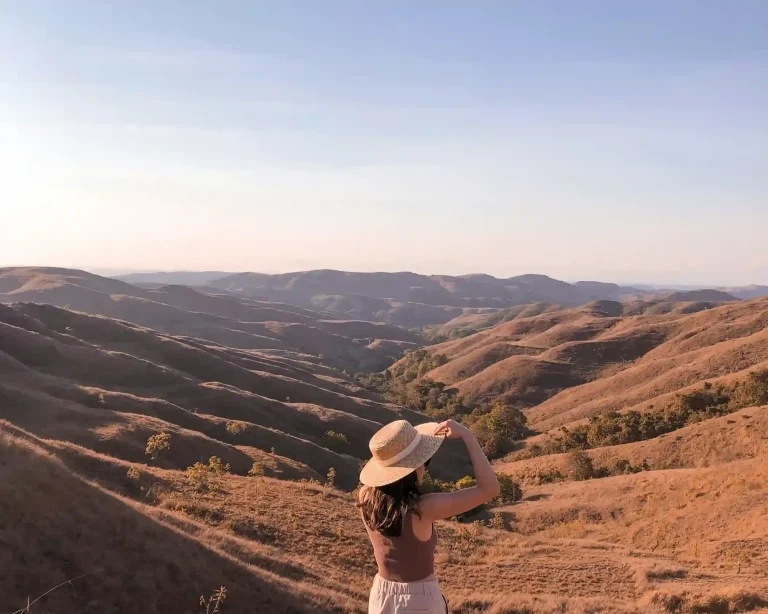
* **Wide-Angle Lens (16-35mm or similar):** This will be your workhorse. It’s essential for capturing the vast, rolling savannas of East Sumba, the dramatic scale of the traditional high-roofed houses at Ratenggaro, and the sweeping coastline.
* **Telephoto Zoom Lens (70-200mm or longer):** This is non-negotiable for photographing Pasola. It allows you to isolate the action from a safe distance, compressing the background and focusing on the intensity of the riders. It’s also useful for candid portraits in villages without being intrusive.
* **Your Smartphone:** As mentioned, this is your diplomatic tool. It’s perfect for casual shots, portraits inside the dimly lit traditional homes, and situations where a large camera would feel out of place.
* **A Sturdy Tripod:** For the magical light of sunrise, sunset, and the blue hour, a tripod is essential. The wind can be strong on the coast, so don’t bring a flimsy one.
* **Essentials:** Bring extra batteries and a power bank. Electricity can be intermittent outside the main towns. Pack a dust blower and lens cloths; the dry season is incredibly dusty. A polarising filter is also very useful for cutting the glare on the sea and deepening the blue of the sky.
### Key Sumba Photography Locations and When to Shoot Them
Light is everything in Sumba. The harsh midday sun washes out the subtle colours of the landscape. The magic happens in the early mornings and late afternoons.
#### 1. Walakiri Beach: The Dancing Mangroves
* **The Scene:** A flat, sandy beach in East Sumba famous for its uniquely shaped mangrove trees that appear to dance on the horizon.
* **Best Light:** Sunset. There is no other time. Arrive at least an hour before the sun is due to set. The best photographic moments occur during the 30 minutes of golden hour just before sunset and the 20 minutes of intense colour just after the sun has disappeared.
* **Photographic Approach:** Low tide is ideal, as it creates a mirror-like reflection on the wet sand. Get low to the ground and use a wide-angle lens to exaggerate the shape of the trees, framing them as striking silhouettes against the orange, pink, and purple sky. Be patient; the colours change every minute.
* **Practicalities:** Located about 24 km east of Waingapu. It is a popular spot for local families, so expect to share the beach. Find your composition and wait for the light to perform.
#### 2. Weekuri Lagoon: The Salty Jewel
* **The Scene:** A spectacular tidal lagoon of crystal-clear saltwater separated from the open ocean by a dramatic coral rock barrier. The water colour ranges from turquoise to deep emerald green.
* **Best Light:** Early morning (7:00 AM to 9:00 AM). At this time, the sun is still low, the light is soft and beautiful, and you will likely have the place almost to yourself. The calm morning air often means the water’s surface is like glass, perfect for reflections. The midday sun is too harsh here, creating excessive glare.
* **Photographic Approach:** A wide-angle lens is perfect for capturing the entire lagoon. A polarising filter is a huge asset here, as it will reduce the glare from the water’s surface and saturate the incredible colours. Walk around the perimeter to find different compositions of the rocks and the sea beyond.
* **Practicalities:** Located in Southwest Sumba, about a 90-minute to 2-hour drive from Tambolaka. The paths are made of sharp, uneven coral rock, so wear sturdy, closed-toe shoes, not flip-flops.
#### 3. Ratenggaro Village: Where Ancestors Meet the Sea
* **The Scene:** Perhaps the most dramatic of all traditional villages. Ratenggaro sits on a low cliff overlooking the Indian Ocean, with its signature high-peaked grass roofs (some reaching over 20 metres) and a field of ancient megalithic tombs.
* **Best Light:** Twilight, also known as the blue hour. This is the period just after the sun has set but before the sky is completely black. The deep blue of the sky provides a powerful backdrop for the silhouettes of the houses. With a long exposure on a tripod, you can smooth the ocean waves into a soft mist.
* **Photographic Approach:** This is tripod territory. Use a wide-angle lens to capture the relationship between the village, the tombs, and the sea. Frame your shot and wait for the light to fade. If you are lucky, a single light might turn on inside one of the homes, providing a warm focal point in the cool blue scene. Be extremely quiet and respectful; people are settling in for the evening.
* **Practicalities:** Located in the same region as Weekuri Lagoon, making it possible to visit both on the same day. Your guide’s role in gaining permission to enter and photograph is absolutely critical here.
### The Ultimate Challenge: Photographing the Pasola Festival
Pasola is one of Indonesia’s most spectacular and raw cultural events. It is a ritual battle between two groups of horsemen who hurl wooden spears at each other. It is fast, chaotic, and deeply significant.
* **The Challenge of Timing:** First, understand that Pasola dates are not set for tourists. They are determined by the *Rato* (Marapu priests) based on the arrival of a specific sea worm and the lunar calendar. The final date is often announced only a week or two in advance. Any operator promising a fixed Pasola date months ahead is not being honest. Flexibility is key.
* **The Photographic Strategy:**
* **Safety and Position:** This is not a spectator sport with barriers. The action is unpredictable. Find a safe position on higher ground and listen to your guide. Do not get on the main field.
* **Lens Choice:** A telephoto lens is essential (a 70-200mm is a good start, but longer is better). It allows you to stay safe while isolating individual riders and moments of high drama.
* **Camera Settings:** Use a fast shutter speed (1/1000s or higher) to freeze the motion of the horses and spears. Set your camera to burst mode (continuous high) to capture a sequence of the action, increasing your chances of getting that perfect shot of a spear in mid-air.
* **Tell the Whole Story:** The best Pasola photography goes beyond the fighting. Arrive early. Capture the tension and camaraderie as the riders prepare. Photograph the *Rato* performing their rituals. Turn your lens to the crowd and capture their reactions. The story of Pasola is about the entire community, not just the two dozen men on the field.
Sumba does not give up its best images easily. It asks you to slow down, to observe, and to connect. The photographs you bring home will be more than just beautiful compositions; they will be a record of your engagement with one of Indonesia’s most fascinating and enduring cultures.
If you are planning a photographic journey to Sumba, we can help you navigate the complex logistics and cultural nuances. Our team can arrange a private tour that aligns with the best light and respects the rhythms of the island. Contact us to begin the conversation.
Keep Reading
Uncategorized
Is Sumba Family-Friendly? Travelling with Children to Sumba Island
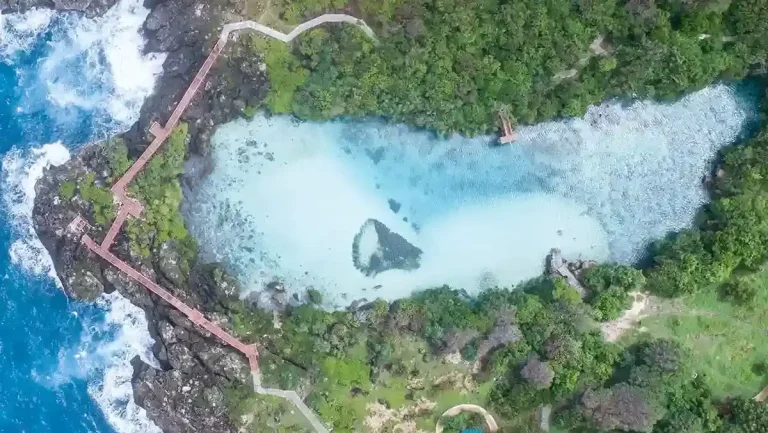
Considering a Sumba with family trip? Our editorial desk offers candid advice on safety, malaria, roads, and activities for a…
Uncategorized
Konda Lake East Sumba: Birdwatching at Sumba’s Hidden Waterway
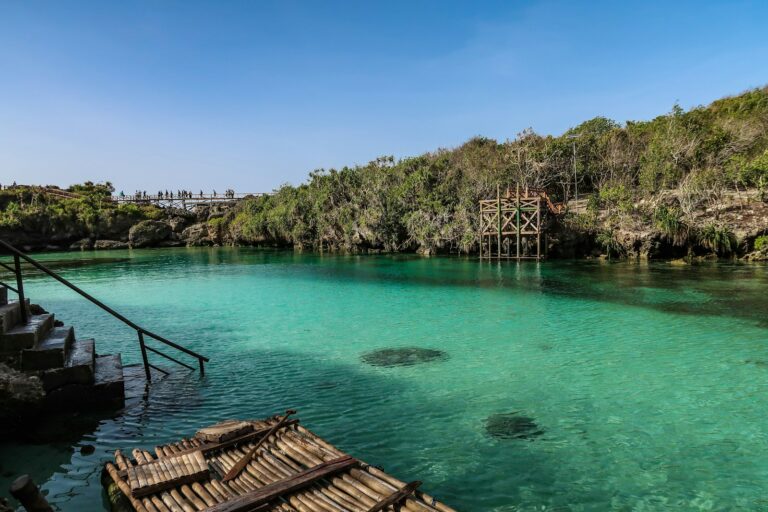
Discover Konda Lake East Sumba, a tranquil tidal waterway near Waingapu, ideal for Konda Lake birdwatching and observing Sumba's unique…
Uncategorized
Solo Travel in Sumba: What to Know Before Going Alone
Considering sumba solo travel? Get Firman's honest guide on safety, transport, health, and cultural insights for a successful Sumba island…