
Is Sumba Family-Friendly? Travelling with Children to Sumba Island
Travelling to Sumba with family is absolutely possible, but it requires a different approach than a typical resort holiday. This extraordinary Indonesian island offers incredible experiences for a sumba family holiday, particularly for those prepared for adventure and a departure from standard tourist infrastructure. Our goal at Sumba Private Tour is to ensure you’re fully briefed on both the joys and the practicalities, so your kids sumba trip is rewarding and safe.
Is Sumba Family-Friendly? The Candid Truth for Adventurous Travellers
Sumba is a destination that rewards curiosity and resilience. It’s not a plug-and-play family destination with kids’ clubs and extensive international menus. Instead, it offers genuine cultural immersion, raw natural beauty, and a chance for children to connect with a world far removed from digital screens. A family tour Sumba Island means encountering Marapu traditions, seeing wild horses on the savannah, and swimming in pristine lagoons. This is adventure travel, and for the right family, it can be profoundly enriching.
The island’s unique appeal for families lies in its authenticity. Children can witness traditional weaving, observe local life in villages, and explore landscapes that feel untouched. These experiences foster adaptability and a broader worldview. However, these unique opportunities come with specific considerations, especially concerning health, safety, and logistical planning. We believe in honest specificity to help you decide if Sumba is the right fit for your family.
Planning Your Sumba Family Holiday: Logistics from Bali
Getting your family to Sumba begins with understanding the travel routes from Bali. Preparation is key to a smooth journey.
Flights to Sumba
The primary way to reach Sumba with family is by air from Denpasar (DPS), Bali. Sumba has two main airports:
- **Tambolaka (TMC)** in West Sumba, serving destinations like Weekuri Lagoon and Ratenggaro.
- **Waingapu (WGP)** in East Sumba, ideal for Walakiri Beach and Lapopu Waterfall.
Flights are typically daily, operated by airlines using ATR turboprop aircraft. The flight duration is approximately one hour. It’s advisable to book well in advance, especially during peak seasons, as these flights can fill up quickly. Factor in potential delays, which are common with smaller regional airlines; flexibility in your itinerary is always a good idea when travelling with children. Flight prices from Bali to Sumba generally range from IDR 700,000 to IDR 1,500,000 one-way per person (last verified June 2026).
Getting Around Sumba with Children
Once on Sumba, public transport options are very limited and not suitable for families seeking comfort or reliability. For a family tour Sumba Island, a private 4WD vehicle with an experienced local driver is essential.
- **Road Conditions**: Main roads connecting significant towns, like the route between Tambolaka and Waingapu, are generally sealed and in reasonable condition. However, exploring the interior and reaching many of Sumba’s most captivating spots means venturing onto laterite (unsealed dirt) roads. These can be dusty in the dry season (May-October) and become muddy, uneven, or even impassable in the wet season (November-April), particularly in December or January. For example, the road to Lapopu Waterfall can become very challenging after heavy rains.
- **Comfort**: A 4WD provides necessary ground clearance and comfort on rough terrain. Expect travel times to be longer than distances might suggest due to road conditions. For instance, the drive from Tambolaka to Waingapu, though on sealed roads, takes roughly 4-5 hours. Distances like Tambolaka Airport to Weekuri Lagoon take about 1.5 hours, and from Waingapu Airport to Walakiri Beach is 30-45 minutes. These are not long distances, but the journey can feel extended with children.
- **Driver Expertise**: Local drivers are invaluable. They know the roads, understand the conditions, and can communicate with local communities. This is particularly useful if you encounter unexpected road closures or need assistance.
A 4WD rental with a driver typically costs between IDR 800,000 and IDR 1,500,000 per day, inclusive of fuel and driver’s services (last verified June 2026). This investment in comfortable and reliable transport is crucial for a successful sumba family holiday.
Health & Safety: Prioritising Your Kids’ Well-being on Sumba
Health and safety considerations are paramount when planning a kids sumba trip. Sumba is an adventurous destination, and being well-informed and prepared is key.
Malaria Prophylaxis: A Non-Negotiable Step
Sumba is an endemic malaria zone. This means malaria prophylaxis is strongly recommended for all travellers, especially children, who are particularly vulnerable to severe forms of the disease.
- **Consult a Paediatric Travel Medicine Specialist**: Before your trip, speak with your child’s paediatrician or a specialist in paediatric travel medicine. They can advise on the most suitable antimalarial medication, dosage, and potential side effects for your child’s age and health.
- **Mosquito Protection**: Beyond medication, rigorous mosquito bite prevention is critical. Use effective insect repellent containing DEET, Picaridin, or IR3535 on exposed skin, especially during dawn and dusk. Dress children in long sleeves and trousers when outside. Ensure your accommodation has mosquito nets, and check them for holes.
- **Dengue Fever**: Dengue is also present on Sumba. The same mosquito bite prevention measures will help protect against dengue, for which there is no vaccine or specific treatment.
Do not underestimate the risk of malaria. Proper medical consultation and adherence to prophylactic medication are vital for any sumba with family travel plans.
Medical Facilities and Emergency Evacuation
Medical facilities on Sumba are limited. While basic clinics and small hospitals exist in major towns like Tambolaka and Waingapu, they are not equipped to handle serious emergencies or complex medical conditions.
- **First Aid Kit**: Carry a comprehensive first aid kit with supplies for minor cuts, scrapes, stomach upsets, fever, and any specific medications your children require. Include rehydration salts.
- **Travel Insurance with Medical Evacuation**: This is not optional; it is absolutely mandatory for a family tour Sumba Island. In the event of a serious illness or injury, medical evacuation to Bali or Jakarta will be necessary. Ensure your policy covers air ambulance services and all family members. Understand the procedures for initiating an evacuation *before* you travel.
- **Emergency Contacts**: Keep a list of emergency contacts, including your travel insurance provider’s 24-hour assistance line, local Sumba Private Tour contact, and your country’s embassy or consulate.
Sun Protection and Hydration
Sumba’s tropical climate means intense sun exposure.
- **Sunscreen**: Apply high-SPF, broad-spectrum sunscreen liberally and frequently, even on cloudy days.
- **Hats and Clothing**: Wide-brimmed hats, sunglasses, and lightweight, long-sleeved clothing offer additional protection.
- **Hydration**: Ensure children drink plenty of water throughout the day to prevent dehydration. Stick to bottled water.
Planning a sumba with family adventure means facing these realities head-on. If you have concerns or need specific advice on preparing for health and safety, don’t hesitate to plan your trip with us. We can guide you through the preparations and discuss what to expect, even via WhatsApp.
Activities for a Kids Sumba Trip: What Works Well
Despite the logistical challenges, Sumba offers incredible, hands-on experiences that can captivate children and create lasting memories. Here are some of the activities that truly shine for a kids sumba trip:
Water Fun: Lagoons and Beaches
Sumba’s coastline offers some refreshing and safe swimming spots.
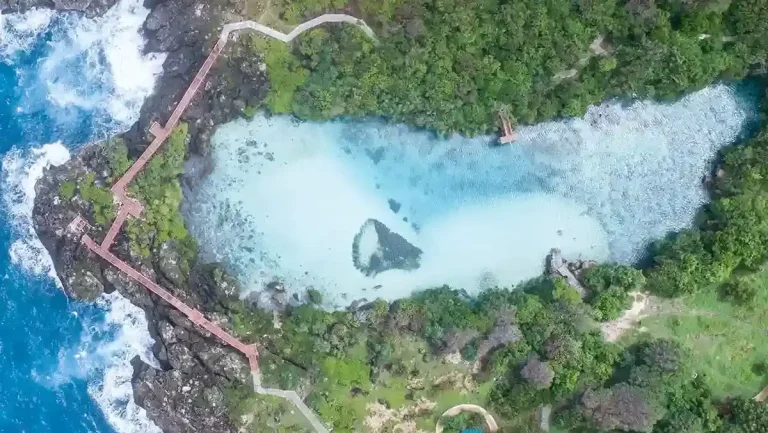
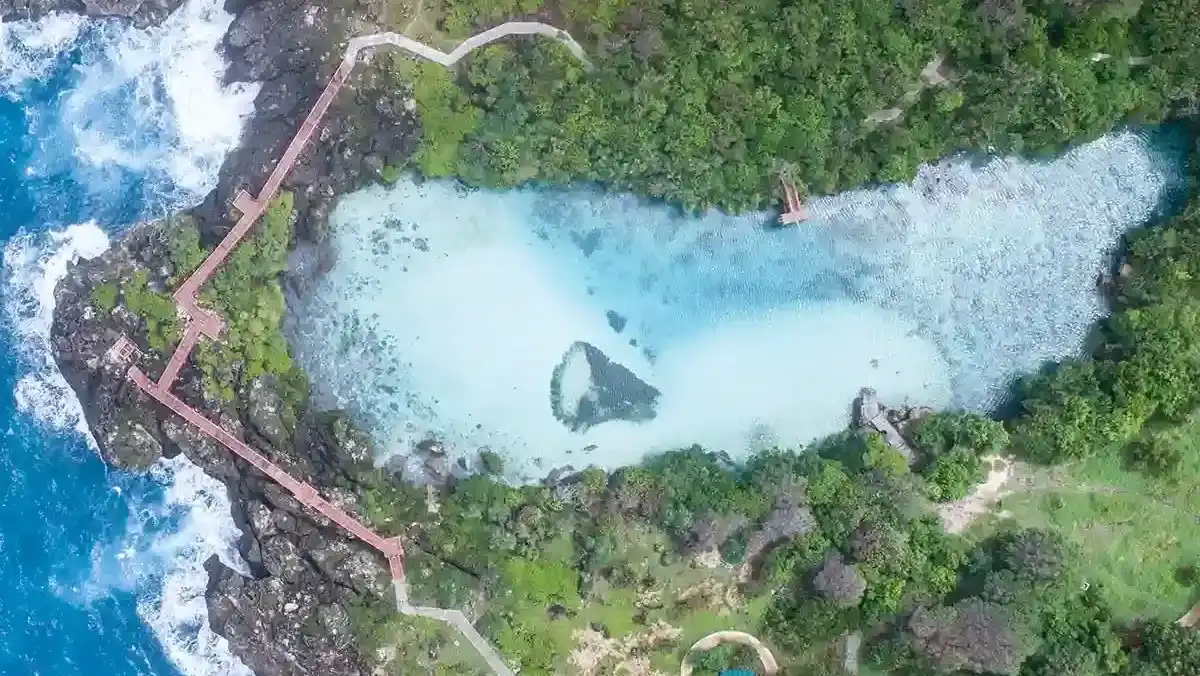
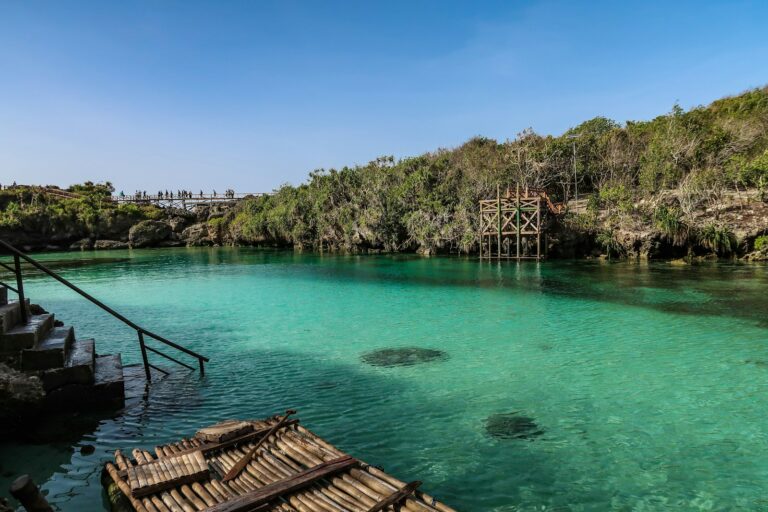
- **Weekuri Lagoon**: Located in West Sumba, this natural saltwater lagoon is a highlight. Its calm, crystal-clear turquoise waters are perfect for children to swim and play safely, without the strong currents sometimes found on ocean beaches. The lagoon is shallow in many areas, making it ideal for younger adventurers. It’s about 1.5 hours drive from Tambolaka Airport.
- **Walakiri Beach**: While primarily known for its iconic dancing mangroves and spectacular sunsets, the shallow, calm waters at low tide can be suitable for a gentle paddle. The wide-open space is excellent for children to run and explore before settling in to watch the sunset magic. Walakiri is easily accessible, about 30-45 minutes from Waingapu Airport.
- **Mandalika Beach / Mandorak Beach**: These beaches offer soft sands and relatively calm waters, good for splashing and beachcombing. Always supervise children closely near the ocean.
Cultural Encounters and Animal Life
Sumba offers unique opportunities for children to learn about culture and nature directly.
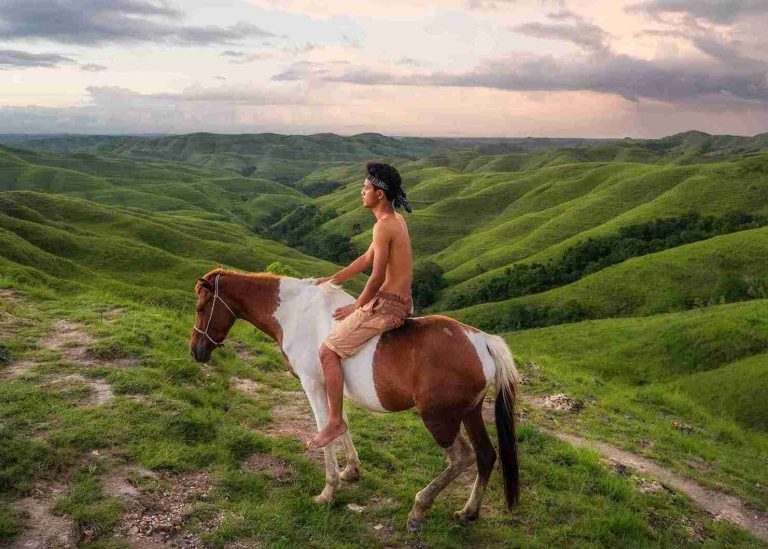
- **Horse Encounters**: Sumba is famous for its Sandalwood horses. Seeing these sturdy, beautiful animals roaming freely on the savannah is a memorable experience. While organized horseback riding for tourists is not widespread, encountering horses in their natural environment is common and captivating for children. Always observe from a respectful distance.
- **Traditional Villages**: Visits to traditional Marapu villages like Ratenggaro in West Sumba or Praijing in East Sumba can be incredibly educational. Children can observe the towering traditional houses, learn about local crafts like weaving, and perhaps interact with local children. Always seek permission before taking photographs, especially of people, and dress modestly.
- **Market Visits**: Exploring a local market (e.g., in Waikabubak or Waingapu) is a feast for the senses. The colours, smells, and sounds offer a glimpse into daily Sumba life and can be a fun way to introduce children to new foods and customs.
Exploring Nature: Hills and Waterfalls
The varied landscapes of Sumba provide further avenues for adventure.
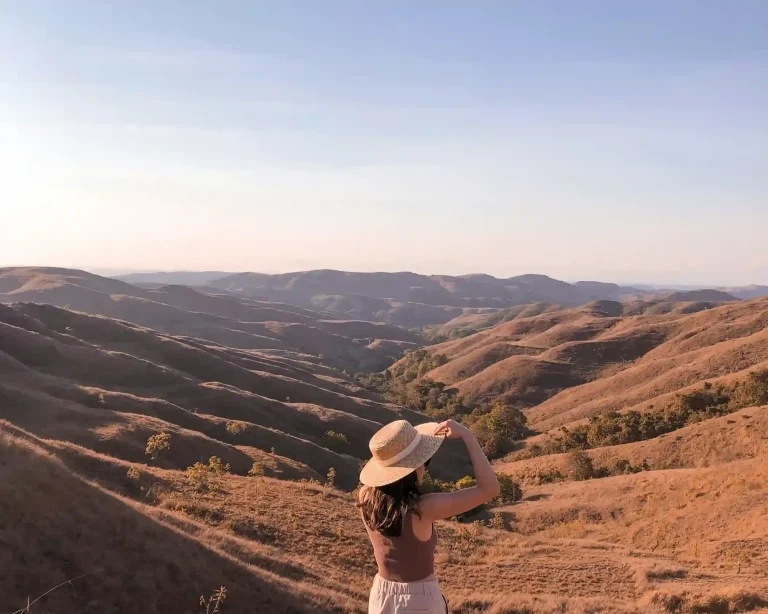
- **Wairinding Hills**: Located near Waingapu, these rolling green and golden hills (depending on the season) offer fantastic views and open spaces. Children can enjoy short walks and take in the expansive scenery.
- **Lapopu Waterfall**: This multi-tiered waterfall in East Sumba is impressive. The walk to the base involves some steps and uneven terrain, but the reward of swimming in the cool, clear pools (supervised) can be exhilarating for older children. Remember, access can be challenging in the wet season, with roads potentially impassable.
- What a Sumba Family Trip Offers:
-
- **Authentic Culture**: Direct exposure to Marapu traditions, unique villages, and local life.
- **Unspoiled Nature**: Pristine beaches, clear lagoons, vast savannahs, and waterfalls.
- **Adventure & Discovery**: Opportunities for exploring off-the-beaten-path, encountering local wildlife (horses), and engaging with nature.
- **Quiet & Connection**: Less crowded, fostering family bonding and disconnection from digital distractions.
- What Sumba is NOT for Families (compared to typical destinations):
-
- **Resort Amenities**: No kids’ clubs, extensive children’s menus, or dedicated play areas.
- **Easy Accessibility**: Requires a 4WD, navigating rough roads, and longer travel times between sites.
- **Extensive Medical Facilities**: Limited infrastructure means medical evacuation is crucial for serious issues.
- **Predictable Schedules**: Pasola festival timing varies by lunar calendar; road conditions can change rapidly with weather.
Accommodation & Food: Keeping Everyone Comfortable and Fed
The options for family-friendly accommodation and dining on Sumba are growing but remain specific. Managing expectations and planning ahead are key to a comfortable sumba family holiday.
Family-Friendly Stays
Accommodation on Sumba ranges from simple guesthouses to more upscale resorts, but dedicated family suites or connecting rooms are not always standard.
- **Guesthouses**: Many guesthouses offer clean, basic rooms, often with shared spaces. They can be a great way to experience local hospitality, and owners are often very accommodating to families. Prices for guesthouses generally range from IDR 200,000 to IDR 500,000 per night (last verified June 2026).
- **Mid-range Hotels**: These offer more comfort and amenities, sometimes including private bathrooms and air conditioning. Some may have larger rooms suitable for families. Expect to pay between IDR 600,000 and IDR 1,500,000 per night (last verified June 2026).
- **High-end Resorts**: A few luxury resorts on Sumba offer a higher level of service and comfort, potentially with more spacious options. These are limited and typically start from IDR 2,000,000 per night (last verified June 2026).
- **Booking Tips**: Always confirm room configurations and ask about extra beds or cribs when booking. Consider booking two adjoining rooms if available for more space. Many accommodations are remote, so access to food will likely be tied to the property.
Dining with Young Travellers
Sumbanese cuisine is delicious and hearty, often featuring rice, fresh fish, chicken, and vegetables. However, “children’s menus” as understood in Western countries are generally non-existent.
- **Guesthouse Food**: Many guesthouses and smaller hotels prepare meals for their guests. This is often home-style cooking and can be a good option for families, as you can often request simpler, less spicy dishes if communicated in advance.
- **Local Warungs**: Eating at local eateries (warungs) is affordable, with meals typically costing IDR 30,000 to IDR 100,000 per person (last verified June 2026). These will offer local staples.
- **Snacks and Familiar Foods**: Bring a supply of your children’s favourite non-perishable snacks, as options can be limited outside of larger towns. Pack some familiar comfort foods or treats for pickier eaters.
- **Dietary Needs**: If your children have specific dietary requirements or allergies, communicate these clearly to your accommodation and driver well in advance. Consider carrying translation cards for common allergens.
Is Sumba Family Friendly for Your Children? Age Recommendations
Given the nature of travel on Sumba, we generally recommend a kids sumba trip for families with older children, typically **aged 10 years and above**.
Why this recommendation?
- **Malaria Prophylaxis**: Older children are generally more compliant with taking daily medication (antimalarials) and are better able to communicate any side effects.
- **Road Conditions and Travel Times**: They can better tolerate longer, sometimes bumpy, journeys in a 4WD. Younger children might find this tiring and uncomfortable.
- **Resilience and Adaptability**: Older children are often more adaptable to unfamiliar food, limited amenities, and the absence of constant entertainment. They can engage more deeply with cultural experiences and appreciate the natural environment.
- **Understanding Risks**: They can better understand and adhere to safety instructions, such as staying close, being mindful of sun exposure, and respecting local customs.
While it’s not impossible to travel with younger children, it significantly increases the planning complexity and potential challenges. For families with younger kids, a more established destination with readily available facilities might be a less stressful option. Sumba is truly for those seeking an authentic adventure, and maturity helps navigate its demands.
Crafting Your Family Tour Sumba Island: A Sample Itinerary Approach
A well-paced itinerary is crucial for a successful sumba family holiday. We advise against packing too much into each day, especially with children. Building in downtime is essential.
Here’s a conceptual approach for a 7-day family tour Sumba Island:
* **Day 1-3: West Sumba Exploration (Fly into Tambolaka)**
* Arrive at Tambolaka (TMC), transfer to accommodation near Waikabubak or a coastal resort.
* **Focus**: Gentle introduction, adjusting to the rhythm of Sumba.
* **Activities**: Day trip to Weekuri Lagoon for swimming and relaxation, visit Ratenggaro traditional village (remembering cultural protocols), explore local beaches.
* **Pacing**: One main activity per day, with plenty of rest at accommodation.
* **Day 4: Cross-Island Journey**
* Travel from West Sumba to East Sumba via a 4-5 hour drive across the island, enjoying the changing landscapes.
* **Focus**: The journey itself, observing rural life.
* **Accommodation**: Settle into a hotel or guesthouse near Waingapu.
* **Day 5-7: East Sumba Adventures (Depart from Waingapu)**
* **Focus**: Nature and iconic Sumba scenes.
* **Activities**: Sunset walk at Walakiri Beach, exploring Wairinding Hills, a visit to Lapopu Waterfall (if road conditions permit and children are up for the walk). Opportunities for market visits in Waingapu.
* **Pacing**: Similar to West Sumba, allowing for flexibility and relaxation.
* **Departure**: Fly out from Waingapu (WGP).
This framework balances travel time with engaging activities and includes time for children to simply be children. We can help tailor a specific itinerary that suits your family’s pace and interests.
Final Considerations for a Sumba Family Adventure
A sumba with family trip offers a profound opportunity for connection, learning, and adventure. It demands preparation, flexibility, and a willingness to embrace the unexpected. The rewards are immense: authentic cultural encounters, untouched landscapes, and memories that will last a lifetime. Sumba Private Tour is here to provide the honest, detailed information and support you need to plan a truly special family tour Sumba Island. No one can pay to change what we publish; if you proceed with our partner they may pay us a referral fee at no extra cost to you.
Ready to explore Sumba with your adventurous family? Plan your trip with us today. We’re available to discuss your specific needs and create a bespoke itinerary via WhatsApp or email.
Frequently Asked Questions About Sumba Family Travel
Are car seats available for rent on Sumba?
No, car seats are generally not available for rent or provided by local car rental services on Sumba. If you require a car seat for your child, you will need to bring your own. This is a crucial consideration for safety during transfers and tours.
Is there a children’s club or dedicated play area at hotels?
Unlike more established tourist destinations, Sumba does not typically have hotels or resorts with dedicated children’s clubs, playgrounds, or organised kids’ activities. Entertainment for children will need to be self-generated through exploring nature, cultural interactions, and family time.
What about internet access and connectivity for kids?
Internet access on Sumba can be unreliable, especially in remote areas. While some hotels offer Wi-Fi, speeds may be slow or intermittent. Consider purchasing a local SIM card (e.g., Telkomsel) upon arrival for better connectivity, but be prepared for periods of being offline. This can be a chance for children to disconnect and engage with their surroundings.
What if my child has allergies or specific dietary requirements?
For allergies or specific dietary requirements, it is essential to communicate these clearly and repeatedly to your tour operator, driver, and accommodation providers well in advance. Local cuisine may not always cater to specific needs, so carrying snacks and essential items from home is advisable. We can help translate and communicate these needs to local partners.
Is Sumba safe for families?
Sumba is generally a safe island with friendly people. The primary safety concerns for families relate to health (malaria, limited medical facilities) and road conditions, rather than crime. Practise standard travel precautions: be aware of your surroundings, keep valuables secure, and respect local customs. Our local drivers and guides enhance your safety and security.
Keep Reading
Uncategorized
Photography in Sumba: Tips, Ethics & the Best Locations to Shoot
A practical Sumba photography guide covering ethical practices, essential gear, and the best locations like Walakiri, Weekuri, Ratenggaro, and Pasola.
Uncategorized
Konda Lake East Sumba: Birdwatching at Sumba’s Hidden Waterway
Discover Konda Lake East Sumba, a tranquil tidal waterway near Waingapu, ideal for Konda Lake birdwatching and observing Sumba's unique…
Uncategorized
Solo Travel in Sumba: What to Know Before Going Alone
Considering sumba solo travel? Get Firman's honest guide on safety, transport, health, and cultural insights for a successful Sumba island…