Sumba vs Flores, Lombok & Komodo: Which Eastern Indonesia Island Is Right for You?
Sumba vs Flores, Lombok & Komodo: Which Eastern Indonesia Island Is Right for You?
This site is written by our editorial desk. For the last nine years, we have been designing private journeys across Sumba. We’ve spent countless hours in 4WD vehicles on our rugged roads, sat with communities waiting for news of the Pasola festival, and learned to navigate the deep cultural protocols of our Marapu villages. One of the most common questions I get from travellers is, “We’re coming from Bali. Should we visit Sumba, or Flores, or Lombok?”
It is an important question. These islands, while neighbours on a map, offer profoundly different experiences. As a travel curator, our role is not to sell you on Sumba if it is not the right fit for your journey. Our role is to give you an honest briefing so you can make the right choice.
Let’s compare them directly, with a focus on the realities of travel in each destination.
Sumba: For the Culturally Curious and Wild at Heart
Sumba is not an easy island. It is the island for the traveller who is looking for a connection that goes beyond a beautiful view. It is a place where ancestral traditions are not a performance for tourists, but the living, breathing heart of the community.
Who Chooses Sumba?
Travellers choose Sumba when their primary motivation is cultural immersion. They are curious about the animist Marapu faith, the megalithic tombs that dot the landscape, and the central role of the world-renowned ikat weavings. They are looking for expansive, raw landscapes—rolling savannahs that feel more like Africa than tropical Asia—and are prepared for the logistics that come with reaching remote places.
What to Expect:
- A Living Megalithic Culture: Sumba is one of the last places on earth where a megalithic culture persists. You will see enormous stone slab tombs in the centre of villages, symbols of status and a link to the ancestors. Visiting these adat (traditional) communities requires respect and a local guide to navigate the necessary permissions and offerings (like betel nut).
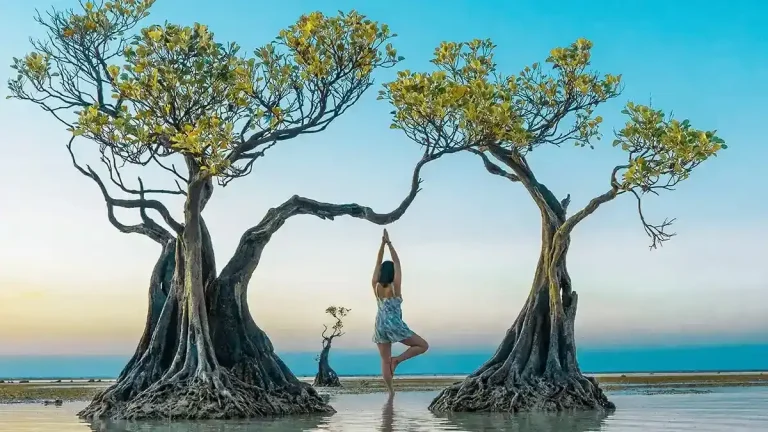
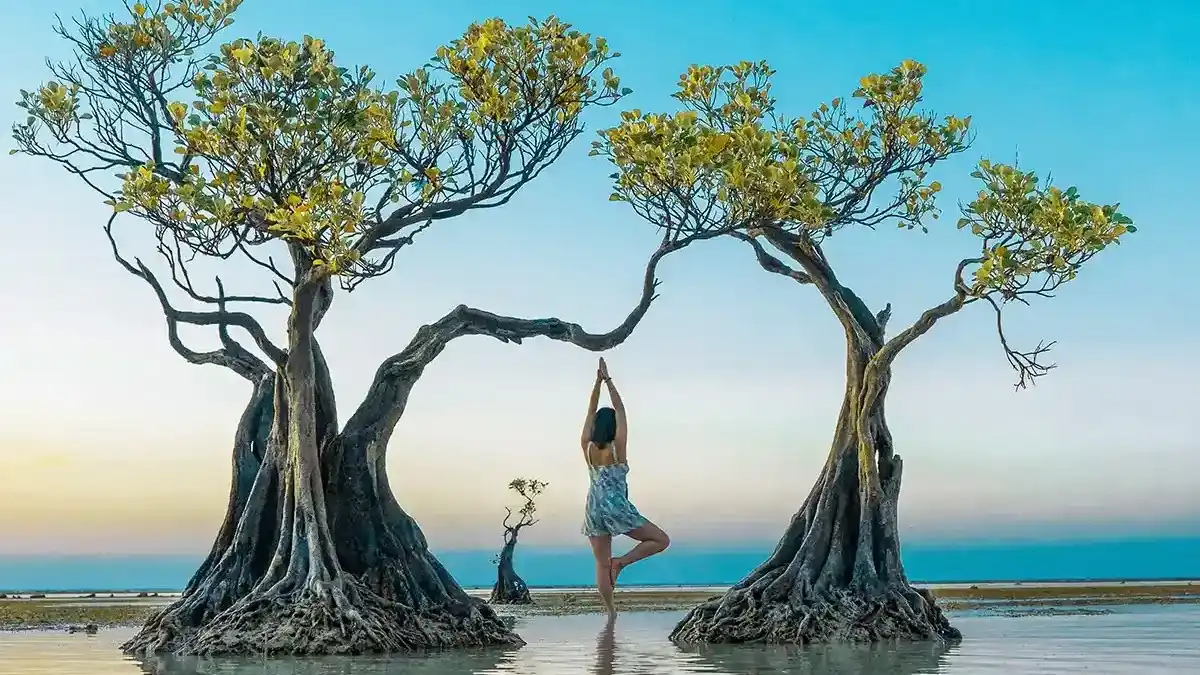
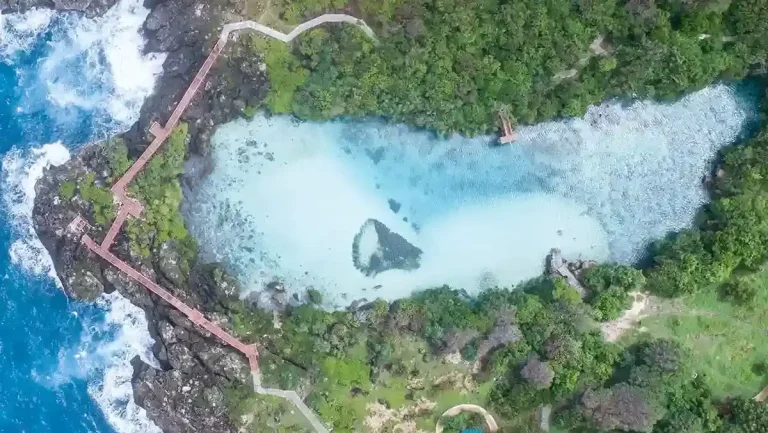
- Wild, Undeveloped Landscapes: Forget volcanic peaks. Sumba’s geography is defined by undulating limestone hills, vast grasslands dotted with cashew trees, and a coastline of powerful, often empty, surf breaks. This is why NIHI Sumba became famous. In the west, you will find Weekuri Lagoon, a crystal-clear saltwater lake, while the east is home to dramatic waterfalls like Tanggedu.
- The Pasola Festival: This is a famous ritual battle with mounted horsemen throwing wooden spears. It is a powerful, authentic, and sometimes violent event tied to the harvest. The reality of Pasola is that its timing is uncertain. The dates (usually in February or March) are determined by the Rato (Marapu priest) after observing the arrival of the nyale sea worms, often with very little notice. Planning a trip solely around it is a gamble.
The Honest Briefing:
Travel in Sumba requires patience. Outside of the southwest coast near NIHI, infrastructure is basic. A 4WD vehicle is essential, particularly in the wet season (December-March) when roads can become impassable. A 140-kilometre drive from Waingapu in the east to Waikabubak in the west can take four hours. Malaria is a risk, and precautions are advised. You need a guide not just for logistics, but for cultural translation. Sumba does not lay itself open easily; it asks you to engage with it on its own terms.
Flores & Komodo: For the Wildlife and Marine Enthusiast
Flores is the gateway to one of Indonesia’s most famous wildlife encounters: the Komodo dragon. The tourism experience here is largely built around the marine wonders of the Komodo National Park.
Who Chooses Flores & Komodo?
Travellers whose primary goal is seeing the Komodo dragons and experiencing world-class diving and snorkelling. It is well-suited for those with a shorter timeframe (a 2- or 3-day boat trip from Labuan Bajo is very popular) and for those who enjoy the social energy of a well-established traveller hub.
What to Expect:
- The Komodo Dragons: The main attraction. Trips from Labuan Bajo will take you to either Rinca or Komodo Island for a guided trek to see these giant lizards in their natural habitat. It is a managed, safe, and reliable wildlife experience.
- Exceptional Marine Life: The waters of Komodo National Park are a global hotspot for diving. You can encounter manta rays, sharks, turtles, and enormous schools of fish. Snorkelling at sites like Pink Beach is also high-quality.
- Volcanic Landscapes: Flores itself is a long, volcanic island. The most famous inland destination is Mount Kelimutu, with its three crater lakes that periodically change colour. An overland trip across Flores is a significant undertaking, but rewarding for its dramatic scenery.
The Honest Briefing:
Labuan Bajo, the port town on Flores, is the busy hub for all Komodo tours. It has a wide range of hotels, restaurants, and tour operators. This makes logistics much simpler than in Sumba. You can book a boat trip on arrival, though quality varies greatly. The popularity of the region means you will be sharing the key sites—like Padar Island for sunrise—with many other travellers. It’s an adventure, but not a solitary one.
Lombok: For Beaches, Surfing, and a Challenging Climb
Lombok is often described as “Bali 20 years ago.” While it is certainly less developed than its famous neighbour, it offers a much more established tourism infrastructure than either Sumba or Flores.
Who Chooses Lombok?
Travellers looking for beautiful beaches, a developed surf scene, and access to good cafes, yoga studios, and comfortable hotels. It also attracts serious hikers who want to summit the formidable Mount Rinjani. It is a good choice for those wanting a relaxed beach holiday with modern comforts and activities.
What to Expect:
- Beaches and Surfing: The south coast around Kuta Lombok is a magnet for surfers, with breaks for all levels. The beaches here are long stretches of white sand against turquoise water.
- Mount Rinjani: This active volcano is Indonesia’s second-highest, and the multi-day trek to its crater rim and summit is a serious physical challenge that rewards with incredible views.
- The Gili Islands: Just off the northwest coast, this trio of tiny islands (Trawangan, Meno, and Air) offer everything from lively parties to quiet, romantic escapes, all with clear water and no motorised traffic.
The Honest Briefing:
Lombok is the most accessible and easiest island of the three to travel around. You can rent a scooter and explore independently with relative ease. The infrastructure is solid, and it offers a travel experience that is more familiar and predictable. It does not have the profound cultural depth of Sumba or the unique wildlife of Komodo, but it delivers an excellent tropical island holiday.
A Quick Comparison: Sumba vs Flores vs Lombok
Let’s break it down by what you might be looking for.
- Primary Appeal:
- Sumba: Living animist culture, megalithic history, and authentic village life.
- Flores/Komodo: Komodo dragons and world-class marine biodiversity.
- Lombok: Accessible beaches, surf culture, and mountain trekking.
- Landscape:
- Sumba: Expansive savannahs, limestone hills, rugged coastline.
- Flores/Komodo: Volcanic, mountainous, with dramatic islands and bays.
- Lombok: Classic volcanic island with white sand beaches.
- Travel Style:
- Sumba: Requires a guide and 4WD. Immersive, slow, sometimes challenging.
- Flores/Komodo: Adventure-focused. Boat-based trips, well-worn tourist trail.
- Lombok: Relaxed and independent. Easy to self-navigate.
- Best For:
- Sumba: The patient, curious traveller seeking genuine cultural exchange.
- Flores/Komodo: Divers, snorkelers, and wildlife lovers on a tighter schedule.
- Lombok: Beach lovers, surfers, and trekkers who appreciate comfort and convenience.
Sumba or Flores? Sumba vs Komodo?
The choice between Sumba or Flores is a choice between culture and wildlife. If your dream is to sit in a traditional village, learn the meaning of an ikat motif from the weaver herself, and understand a completely different worldview, choose Sumba. If your dream is to see a dragon and swim with manta rays, choose Flores and Komodo.
Can You Do It All? The Hybrid Trip
Yes, it is possible to get a taste of both worlds. For travellers with limited time who want to see the highlights, we often suggest this approach:
- Use Bali as your base.
- Fly from Bali to Labuan Bajo (Flores) for a 2-day/1-night Komodo boat tour. This is enough to see the dragons, snorkel, and visit Padar Island.
- Fly back to Bali, then take the short flight to Tambolaka in West Sumba.
- Spend 3 or 4 days with us on a curated Sumba journey, focusing on the villages and landscapes of the west.
This itinerary allows you to experience the iconic wildlife of Komodo and then have a brief but deep immersion into the unique culture of Sumba.
My Final Thoughts as Your Sumba Guide
Each of these islands holds a special place in the Indonesian archipelago. Lombok offers relaxation, Flores offers adventure, and Sumba… Sumba offers a connection. It is an island that asks more of you, but in our experience, it gives much more in return. It is a journey back in time, a lesson in community, and a reminder of a different way of being.
If reading about the Marapu culture, the wild savannahs, and the intricate social fabric of this island speaks to you, then Sumba may be the right choice. It is not for everyone, and that is precisely why it remains so special.
If you feel that Sumba is the right island for your next journey, please feel free to contact us at Sumba Private Tour. We would be honoured to help you discover its soul.
For Komodo National Park tours, we recommend working with a reputable, locally-owned operator based in Labuan Bajo.
Keep Reading
Uncategorized
Is Sumba Family-Friendly? Travelling with Children to Sumba Island
Considering a Sumba with family trip? Our editorial desk offers candid advice on safety, malaria, roads, and activities for a…
Uncategorized
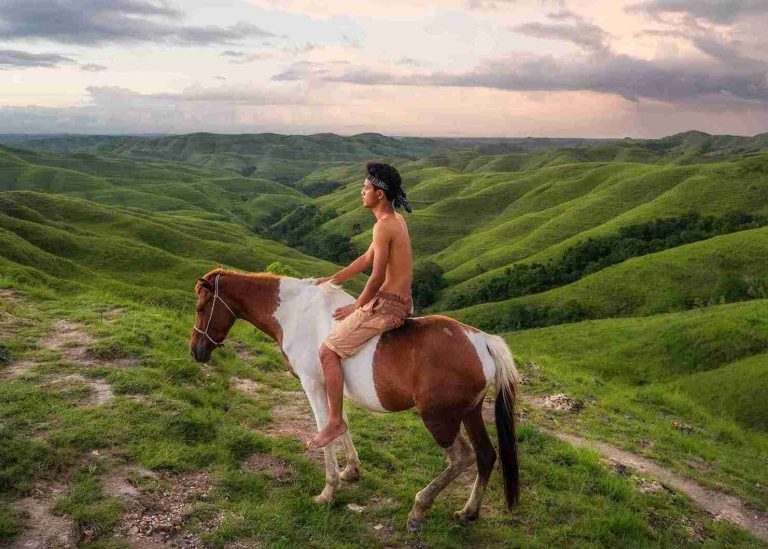
Photography in Sumba: Tips, Ethics & the Best Locations to Shoot
A practical Sumba photography guide covering ethical practices, essential gear, and the best locations like Walakiri, Weekuri, Ratenggaro, and Pasola.
Uncategorized
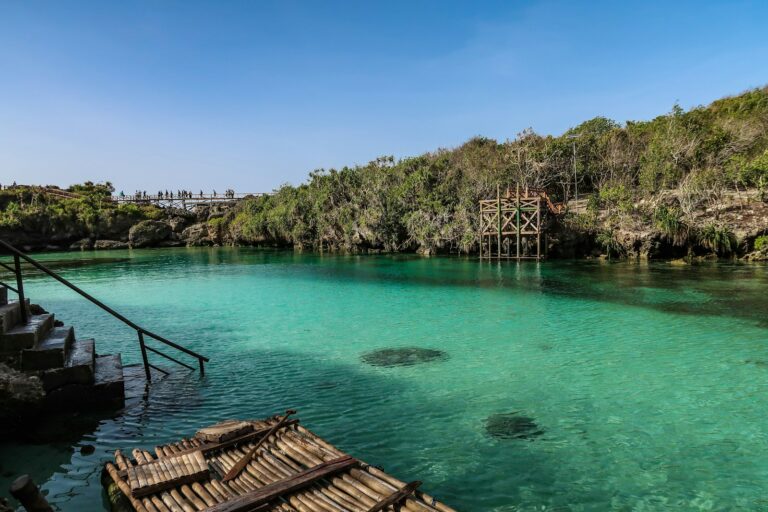
Konda Lake East Sumba: Birdwatching at Sumba’s Hidden Waterway
Discover Konda Lake East Sumba, a tranquil tidal waterway near Waingapu, ideal for Konda Lake birdwatching and observing Sumba's unique…