Ready to `contact Sumba Private Tour` and begin planning your bespoke journey to Sumba? To `book your Sumba private tour`, simply share your travel aspirations with me, Dian Kusumawati, and my dedicated team. For nine years, I have been designing honest, culturally rich experiences across Sumba, connecting international and Indonesian travelers with the island’s genuine heart.
Whether you are seeking the thrill of Pasola, the serenity of remote lagoons, the intricate artistry of ikat weaving, or a luxurious escape near NIHI Sumba, we craft itineraries that reflect your interests while respecting Sumba’s unique rhythms and Marapu traditions.
How to Enquire About Your Sumba Tour
Making a `sumba tour booking request` with us is straightforward. We prefer to understand your vision first, allowing us to tailor options that truly fit. Here’s what we typically ask for to initiate your bespoke Sumba experience:
- Your Name & Country:
- Helps us understand your background and any specific travel considerations.
- Preferred Travel Dates:
- Knowing your window helps us check availability and advise on seasonal conditions. For Pasola, an approximate February–March window is key.
- Number of People:
- For solo travelers, couples, families, or small groups, this impacts vehicle size and accommodation recommendations.
- Key Interests:
- Tell us what draws you to Sumba. Are you focused on Pasola, nature exploration, deep cultural immersion, luxury experiences, or photography? A blend of these is also common!
- Duration Preference:
- Are you planning a 3-day exploration, a 5-day adventure, a more comprehensive 7-day journey, or something longer? Sumba offers much to discover, and longer stays allow for deeper immersion.
- Accommodation Tier:
- From comfortable local guesthouses to boutique hotels and luxury resorts like those adjacent to NIHI Sumba, knowing your preference helps us suggest appropriate lodging.
Once we receive your initial `rfq sumba tour`, we respond within 24 hours with initial options and an indicative itinerary. This allows us to begin a conversation, refining details until your Sumba journey feels perfectly crafted for you.
To initiate your `enquire sumba tour` process, you can reach out directly via WhatsApp or email.
WhatsApp us: +62 811 3941 4563
Email us: info@sumbaprivatetour.com
Designing Your Sumba Experience: What Inspires You?
Sumba is an island of raw beauty and profound culture. My role is to help you navigate its complexities and wonders, ensuring your experience is both authentic and comfortable.
Nature Exploration
Sumba’s landscape ranges from rolling savannahs to dramatic coastlines.
- Lagoon & Beach Discoveries: The turquoise waters of Weekuri Lagoon, a salt-water lake fed by the ocean, are a popular draw in West Sumba. It’s approximately 2.5-3 hours drive from Tambolaka Airport (TMC). Further west, Mandorak Beach offers secluded beauty.
- Waterfalls & Rivers: While less famous than Bali’s, Sumba has its own cascades like Lapopu Waterfall, offering refreshing stops amidst lush greenery.
- Savannah & Wildlife: East Sumba’s drier landscapes are home to wild horses and vast grasslands, particularly striking during the dry season.
Cultural Immersion
The heart of Sumba lies in its vibrant Marapu culture.
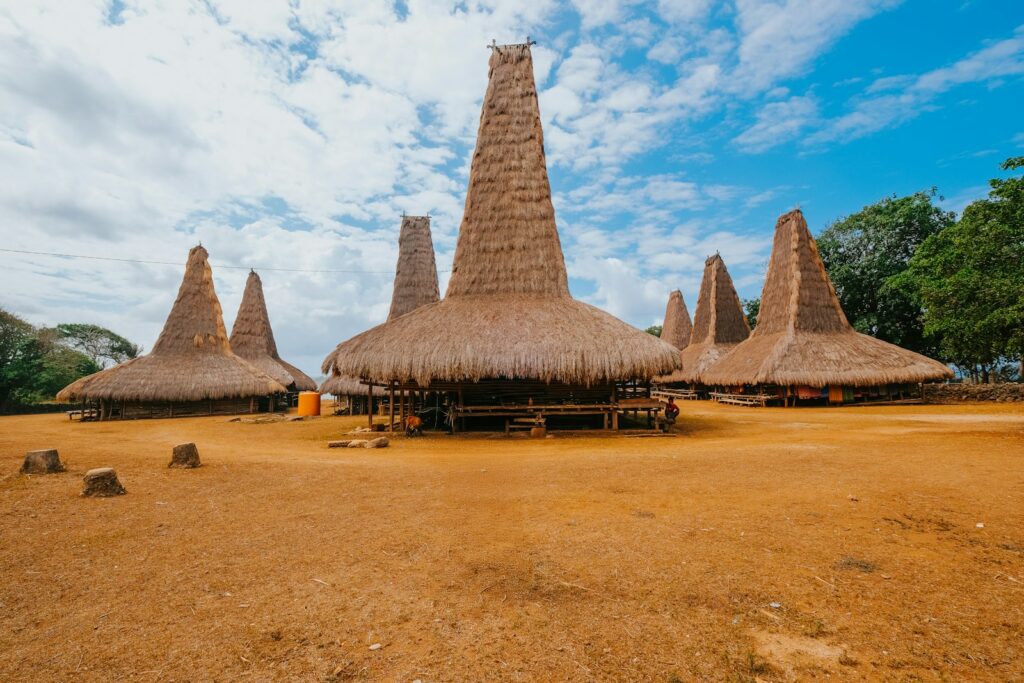
- Traditional Villages: Visit ancient villages like Ratenggaro in West Sumba, known for its towering traditional houses (uma mbatangu) and stone megaliths, about 1.5-2 hours drive from TMC. Or explore Praijing, a hillside village close to Waikabubak (30-45 minutes drive), offering insights into traditional Sumba life. In East Sumba, villages like Prailiu and Rindi are renowned for their intricate ikat weaving.
- Ikat Weaving: Witness the painstaking process of creating Sumba’s famous ikat textiles. This tradition is deeply embedded in Marapu belief, with patterns often carrying ancestral stories and spiritual significance. We can arrange visits to remote villages where you can see weavers at work, respecting their process and traditions.
- Megalithic Tombs & Ceremonies: Megalithic burial sites are scattered across the island, serving as a constant reminder of Sumba’s ancestral reverence. If fortunate, you might respectfully observe a local ceremony or funeral, which are central to Marapu life. These are not tourist performances but sacred community events, requiring sensitivity and a local guide.
Luxury & Relaxation
For those seeking comfort and indulgence amidst Sumba’s rugged charm.
- Resort Experiences: West Sumba is home to high-end resorts, including those adjacent to the renowned NIHI Sumba. These properties offer world-class amenities, private beach access, and often integrate local culture into their design and activities.
- Private Villas: We can arrange stays in select private villas, offering exclusivity and personalized service, perfect for unwinding after a day of exploration.
Photography Journeys
Sumba’s unique light, landscapes, and people offer endless photographic opportunities.
- Sunrise & Sunset Spots: Capture the golden hours over savannahs or dramatic coastlines.
- Portraiture: With appropriate cultural introductions and permission, photograph the vibrant life in traditional villages.
- Landscape: From the rolling hills of East Sumba to the rugged cliffs of the west, every turn offers a frame-worthy scene.
Understanding Sumba’s Realities: An Honest Briefing
Sumba is not a polished tourist destination like Bali. It is Indonesia off the beaten path, and that’s precisely its charm. My commitment is to ensure you are well-prepared for its realities.
Road Conditions & Travel Times
Sumba is roughly 250km long and 80km wide. While main roads between major towns like Tambolaka (TMC) in West Sumba and Waingapu (WGP) in East Sumba are generally paved (a 4-5 hour drive covering 140-150km), many routes to remote villages or attractions are unpaved, rough, and require a 4WD vehicle.
- Wet Season (November-April): Roads can become muddy, slippery, and sometimes impassable. Travel times will increase significantly. A reliable 4WD and an experienced driver are essential.
- Dry Season (May-October): Roads are generally better, though still dusty and bumpy in many areas.
We always factor these conditions into our itinerary planning, ensuring sufficient travel time and comfort.
Malaria Prevention
Malaria is endemic in Sumba. Prophylaxis is recommended, especially for visits outside main towns or during the wet season.
- Consult your doctor: Before your trip, speak with a travel health professional about malaria medication options.
- Personal precautions: Use insect repellent (containing DEET or picaridin), wear long sleeves and trousers at dusk and dawn, and sleep under mosquito nets (often provided in accommodations, or bring your own treated net for remote stays).
Your health and safety are paramount, and we will provide detailed advice closer to your travel dates.
Planning for Pasola: The Unpredictable Spectacle
The Pasola is Sumba’s most iconic and powerful cultural event – a ritualistic spear-throwing festival performed by horseback riders. It is a profound Marapu ceremony, not a tourist show, and requires deep respect.
- Timing: The dates are not fixed. They are announced by the Rato (traditional priests) based on the appearance of the nyale worms (sea worms) after the full moon, usually in February or March. The exact date is often known only a few days or even weeks beforehand.
- Coordination: If Pasola is a priority, share your available February–March window when you `enquire sumba tour`. We will coordinate closely with our Rato contacts to stay updated on potential dates. However, we cannot guarantee attendance as dates can shift unexpectedly, and the event’s exact location (usually in Kodi or Lamboya regions) is decided last-minute.
- Cultural Respect: Viewing Pasola requires absolute respect for the Marapu participants and their traditions. We brief all travelers thoroughly on appropriate behaviour, dress code, and photography etiquette.
Marapu Culture: Respectful Engagement
Sumba’s traditional animist belief system, Marapu, governs much of daily life. When visiting Marapu adat communities, cultural respect is non-negotiable.
- Dress Code: Always dress modestly. A sarong (kain ikat) and covered shoulders are often required, especially in traditional villages or during ceremonies. We will advise you specifically for each location.
- Photography: Always ask permission before taking photos of people, especially children, and within sacred spaces. Be prepared for some to decline. Respect their wishes.
- Entering Homes/Sacred Spaces: Your guide will instruct you. Often, shoes must be removed. Do not enter areas designated as sacred or private.
- Offerings/Gifts: Sometimes a small offering (like betel nut or cigarettes) is appropriate when entering a village or meeting elders. Your guide will facilitate this respectfully.
- Patience & Observation: Life in Sumba moves at its own pace. Be prepared for delays, and embrace the opportunity to observe and learn.
Our guides are fluent in local customs and languages, ensuring smooth and respectful interactions throughout your journey. No one can pay to change what we publish; if you proceed with our partner they may pay us a referral fee at no extra cost to you.
Accommodation Options in Sumba
Sumba offers a range of accommodations, from simple local stays to luxurious resorts. We tailor suggestions based on your preference and budget, ensuring comfort and authenticity.
Entry-Level to Mid-Range
- Local Guesthouses: Found in towns like Waikabubak and Waingapu, these offer basic amenities, clean rooms, and a chance to interact with local families. Expect shared bathrooms in some instances.
- Boutique Hotels: A step up, these offer private rooms with en-suite bathrooms, air conditioning, and often a restaurant. Examples might include small properties around Waikabubak or Tambolaka.
High-End to Luxury
- Boutique Resorts: Found predominantly in West Sumba, these offer well-appointed rooms, swimming pools, dining options, and often activities like horse riding or surfing.
- Luxury Resorts (e.g., NIHI Sumba-adjacent): For the ultimate in comfort and exclusivity, Sumba offers world-class resorts with private villas, gourmet dining, spa services, and curated experiences. These are typically located on private beaches and offer a high level of personalized service.
Prices vary significantly by season and tier. As of June 2026, entry-level guesthouses might range from IDR 200,000-400,000 per night, while mid-range boutique hotels could be IDR 700,000-1,500,000. Luxury resorts start from IDR 5,000,000 and can go significantly higher per night. We will provide specific quotes based on your chosen itinerary and preferences.
Your Journey Starts Here: Plan Your Sumba Private Tour
Are you ready to truly explore Sumba, honestly and respectfully? My team and I are here to guide you through every step, from initial planning to your departure. We focus on connecting you with Sumba’s people, landscapes, and culture in a way that feels personal and meaningful.
Don’t hesitate to `contact Sumba Private Tour` to discuss your dream trip. Let’s create an itinerary that captures the true spirit of this extraordinary island.
Ready to start? Plan your trip by sending us an enquiry or connecting directly via WhatsApp for a faster response.
WhatsApp us: +62 811 3941 4563
Frequently Asked Questions About Sumba Private Tours
What is included in a Sumba Private Tour package?
Our private tour packages are bespoke, meaning inclusions vary based on your custom itinerary. Typically, they include private air-conditioned 4WD transportation with an experienced driver and English-speaking local guide, accommodation as per your chosen tier, daily breakfast, and all entrance fees for sites specified in your itinerary. Meals (lunch and dinner) are often included, especially in more remote areas or all-inclusive luxury packages. We always provide a detailed breakdown of inclusions and exclusions for your specific proposal.
Is Sumba safe for international travelers?
Yes, Sumba is generally safe for international travelers. The local communities are welcoming, and serious crime against tourists is rare. However, like any travel, common sense precautions apply: keep valuables secure, be aware of your surroundings, and respect local customs. Our guides are always with you to ensure your safety and comfort, and to facilitate smooth interactions with local communities.
What is the best time of year to visit Sumba?
The dry season, from May to October, is generally considered the best time to visit Sumba. During these months, the weather is sunny, roads are in better condition, and the iconic Sumba landscapes are vibrant green (early dry season) or golden brown (later dry season). The wet season (November to April) brings lush scenery but can make travel to remote areas challenging due to muddy roads, and increases the risk of malaria. If Pasola is your focus, you must consider the February–March window, despite it being in the wet season.
Do I need a visa to visit Sumba, Indonesia?
Visa requirements for Indonesia depend on your nationality. Many countries are eligible for a Visa on Arrival (VOA) or visa-free entry for tourism purposes. Please check the latest Indonesian immigration regulations well in advance of your travel dates, as policies can change. Ensure your passport is valid for at least six months beyond your intended departure date and has at least two blank pages.
How do you ensure cultural respect during tours?
Cultural respect is at the core of Sumba Private Tour. As a local guide, I work closely with Marapu communities and Rato elders. All our guides are local and deeply understand Sumba’s traditions. We provide comprehensive briefings on appropriate dress, behavior, photography etiquette, and interactions before you visit villages or attend ceremonies. We emphasize genuine engagement, asking permission, and never treating cultural sites or rituals as mere tourist attractions. Our aim is for you to learn, appreciate, and contribute positively to the local communities.