
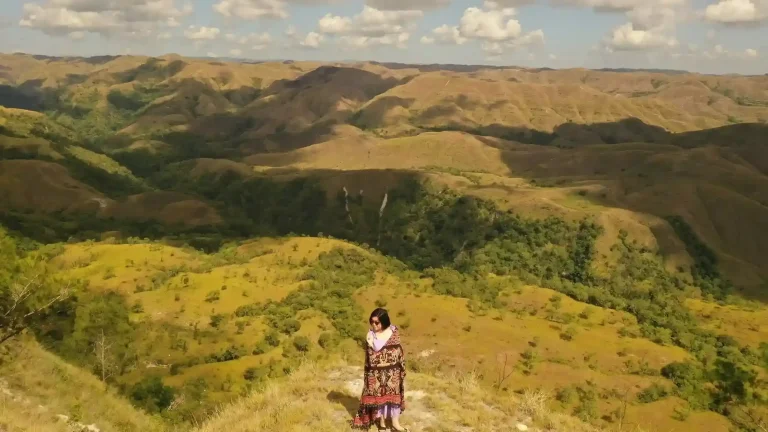
Watu Maladong: East Sumba’s Ancient Megalithic Stone Site
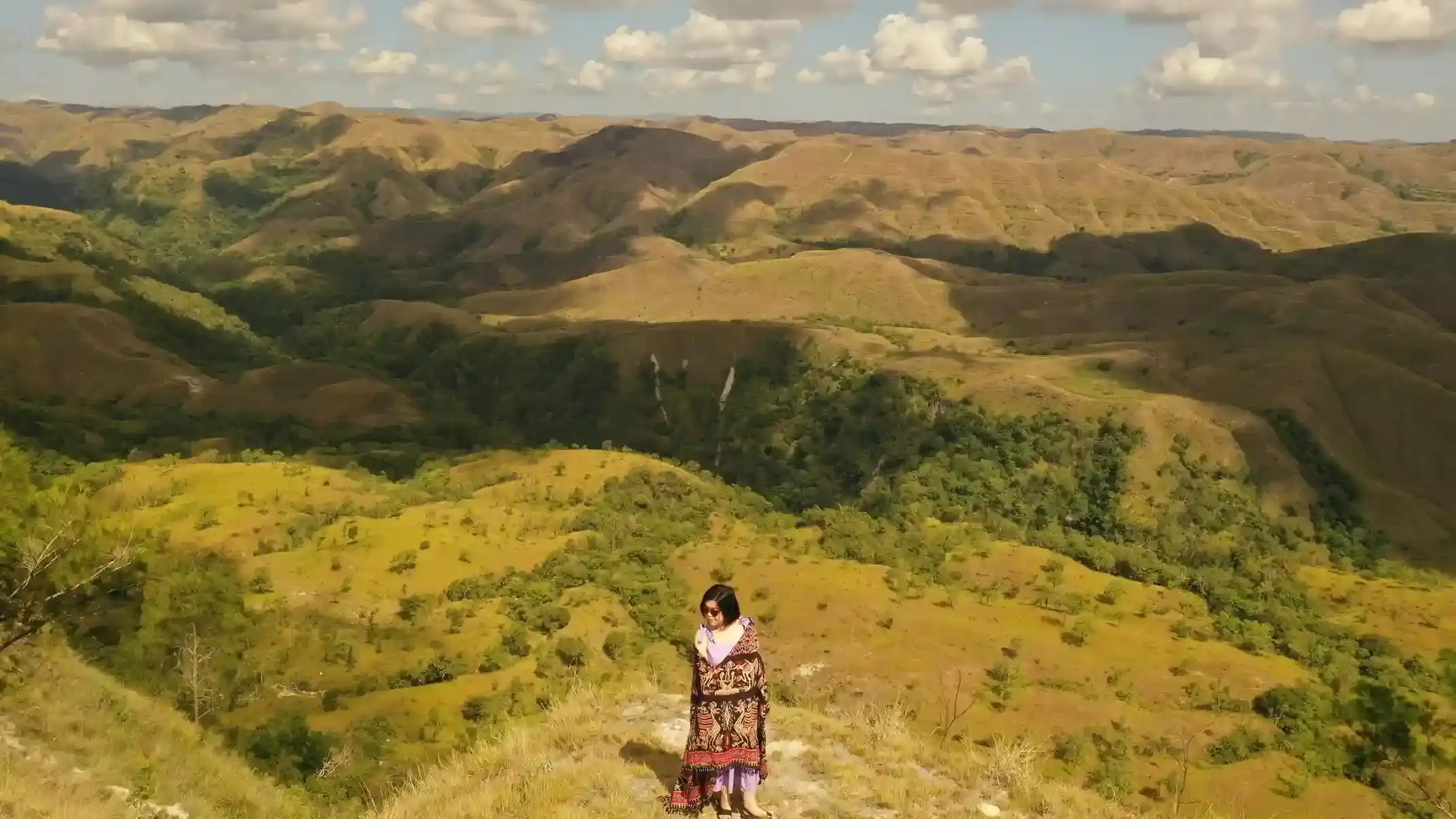
Watu Maladong Sumba is an ancient megalithic site in East Sumba, offering a profound glimpse into the island’s pre-colonial and pre-religious Marapu spiritual heritage. This significant archaeological site features standing stone circles and various megalithic structures that speak volumes about the traditions and beliefs of Sumba’s ancestors.
## What is Watu Maladong? Unveiling East Sumba’s Megalithic Site
Located in the Kanatang sub-district of East Sumba, Watu Maladong is more than just a collection of old stones; it is a living testament to the enduring Marapu culture. The site comprises impressive stone formations, including large upright stones (menhirs) and flat stone tables (dolmens) that served as altars or burial markers. While the exact dating remains a subject of ongoing archaeological study, it is clear these structures predate the arrival of Christianity and Islam, firmly placing them in the ancient Marapu era.
In the public imagination, sites like Stonehenge often conjure images of mysterious ancient rituals. Watu Maladong, while different in scale and context, evokes a similar sense of awe and spiritual connection. These formations were not merely architectural feats; they were central to the spiritual life of the communities who built them, serving as places for ceremonies, ancestor worship, and community gatherings. The energy here is palpable, a quiet hum of history and reverence.
### The Spiritual Significance of Watu Maladong
For the Marapu followers of Sumba, Watu Maladong holds deep spiritual meaning. Marapuism is the traditional ancestral religion of Sumba, believing in a sacred connection between the living, the dead, and the natural world. Ancestors are revered as powerful intermediaries with the divine, and megalithic sites like Watu Maladong often served as communal grave sites or ceremonial grounds where these connections were maintained.
The stones themselves are considered sacred, imbued with the spirits of ancestors. Rituals performed here would have been aimed at honouring the Marapu (ancestors), ensuring fertility for crops and livestock, seeking guidance, and maintaining harmony within the community. When you visit, understanding this spiritual context is crucial. It transforms a collection of stones into a sacred landscape, a place where the veil between worlds feels thinner.
## Watu Maladong: An Archaeological Window into Ancient Sumba
The archaeological significance of Watu Maladong is immense. It provides invaluable insights into the social structures, religious practices, and technological capabilities of ancient Sumbanese societies. The sheer effort required to quarry, transport, and erect these massive stones without modern machinery speaks to a highly organised community with sophisticated knowledge of engineering and leverage.
Unlike some archaeological sites with clear inscriptions or historical records, dating Watu Maladong and similar megalithic sites in Sumba is complex. Scientists rely on relative dating methods, comparing styles with other known sites and examining any associated artifacts found in the vicinity. However, the consistent Marapu cultural practices linked to these sites suggest a continuous spiritual tradition spanning centuries, if not millennia. It’s clear these structures are pre-colonial, meaning they were established long before European influence reached the island, offering an untouched glimpse into a vibrant indigenous culture.
- Location
- Kanatang sub-district, East Sumba, Sumba Island
- Primary Significance
- Ancient Marapu megalithic ceremonial and burial site
- Key Features
- Standing stone circles, menhirs (upright stones), dolmens (stone tables/altars)
- Cultural Context
- Pre-Christian, pre-Islamic Marapu ancestral worship and community rituals
- Dating
- Pre-colonial era; exact dates unclear but centuries old
- Distance from Waingapu
- Approximately 30 minutes drive
## Planning Your Watu Maladong Visit: Access and Considerations
Visiting Watu Maladong offers a unique cultural immersion, but it requires thoughtful planning, especially for international and Indonesian travellers seeking off-the-beaten-path experiences in Sumba.
### Getting There from Waingapu
Watu Maladong is conveniently located about 30 minutes drive from Waingapu, the capital of East Sumba. This relatively short distance makes it an accessible day trip. However, “accessible” in Sumba doesn’t always mean “easy.” The road conditions can vary dramatically depending on the season.
* **Dry Season (May to October):** Roads are generally more manageable, though some stretches can still be unpaved and dusty. A sturdy vehicle is always recommended.
* **Wet Season (November to April):** Expect challenging conditions. Roads can become muddy, slippery, and sometimes impassable without a 4WD vehicle. River crossings might be higher. This is where a knowledgeable driver, familiar with local conditions, becomes indispensable.
We always recommend travelling with a local driver and a guide. They understand the nuances of Sumba’s roads and can navigate safely, ensuring your focus remains on the experience, not the logistics.
### The Importance of a Cultural Guide
While you can technically find Watu Maladong on your own, a local guide is strongly recommended for a truly enriching `watu maladong visit`. Here’s why:
* **Cultural Context:** A guide can explain the intricate spiritual beliefs of the Marapu, the function of each stone, and the history behind the site. Without this context, you might see stones, but you won’t *understand* their profound significance.
* **Language Barrier:** Many locals, especially in more remote areas, may not speak English or Bahasa Indonesia fluently. A guide facilitates respectful communication.
* **Local Etiquette:** Sumba’s Marapu communities have strong customs. A guide will help you understand and adhere to local etiquette, ensuring your visit is respectful and welcomed. They know who to speak to, what to ask, and how to behave in sacred spaces.
* **Logistics:** Guides often have local connections that can smooth out any unforeseen issues, from finding the best local food to understanding changing road conditions.
### Entrance and Site Management
There is a small site management fee to visit Watu Maladong. This fee typically goes towards the upkeep of the site and supports the local community who act as custodians of this important heritage. The amount is usually modest, a few thousand rupiah, and is best paid in cash. It’s a direct way to contribute to the preservation of the `sumba archaeological site`.
## Cultural Etiquette for Your Watu Maladong Visit
Respect is paramount when visiting any Marapu adat community or sacred site like Watu Maladong. Sumba is not a theme park; it is a living culture, and your presence as a visitor is a privilege.
* **Dress Modestly:** When visiting villages or sacred sites, always dress respectfully. This means covering your knees and shoulders. A sarong (kain ikat) is often appropriate and welcomed.
* **Ask Permission for Photography:** Never assume you can take photos of people, particularly children or during ceremonies. Always ask for permission first. A simple gesture and “Boleh foto?” (May I take a photo?) goes a long way. If permission is granted, a smile and “Terima kasih” (Thank you) are essential.
* **Observe, Don’t Interrupt:** If you encounter a ceremony or ritual, observe quietly from a distance. Do not interrupt or try to participate unless explicitly invited.
* **Remove Shoes:** In some areas, particularly if entering a traditional house or certain sacred spots, you may be asked to remove your shoes. Follow your guide’s advice.
* **Offer Greetings:** A friendly “Selamat pagi/siang/sore” (Good morning/afternoon/evening) or “Apa kabar?” (How are you?) is always appreciated.
* **Be Mindful of Your Voice:** Keep your voice low in sacred areas.
* **No Touching:** Do not touch sacred stones or artifacts unless invited to do so by a local elder or your guide.
These simple acts of respect ensure that your `watu maladong` visit is not only memorable for you but also positive for the local community.
Ready to connect with the ancient spirit of Sumba? Let us help you design a journey that honours its culture and history. Plan your trip now, or reach out via WhatsApp for a personalised consultation.
## Beyond Watu Maladong: Exploring More of East Sumba
While Watu Maladong is a significant highlight, East Sumba offers a wealth of other experiences. A visit here can easily be integrated into a broader itinerary that explores the region’s diverse landscapes and rich culture.
* **Waingapu:** As the main town, Waingapu provides a base for exploration. You can find markets, local eateries, and a glimpse into daily Sumbanese life.
* **Pantai Walakiri:** Known for its dancing mangrove trees and spectacular sunsets, this beach is a popular spot for photography enthusiasts and a relaxing end to a day of exploration.
* **Traditional Ikat Villages:** East Sumba is famous for its intricate ikat weaving. Visiting a remote ikat village offers an opportunity to see the painstaking process firsthand, from spinning cotton to dyeing with natural pigments and the complex weaving itself. These villages are often where you truly connect with Marapu traditions and the artistry of the Sumbanese people.
* **Lapopu Waterfall:** While more towards Central Sumba, it’s often combined with East Sumba itineraries. It’s a refreshing stop with lush surroundings.
Building an itinerary that connects these points honestly, considering travel times and cultural experiences, is what we specialise in. It’s not just about ticking off sites, but about understanding the journey.
## Practicalities and Realities of Travel in Sumba
Sumba is an adventure, and it’s important to be candid about what that entails. We aim to connect travellers to Sumba honestly, not gloss over the realities.
### Roads and Transportation
As mentioned, Sumba’s roads are not always pristine. While major routes are improving, access to many of the most authentic and culturally rich sites, including some traditional villages and less-visited natural spots, often involves unpaved, rough, or winding roads. This is why a 4WD vehicle is essential, particularly during the wet season. Having a local driver who knows the terrain and local customs is not just a convenience; it’s a safety and cultural asset.
### Malaria and Health Considerations
Sumba is a malaria-endemic area. While the risk varies by location and season, it’s crucial to take precautions. We strongly advise consulting your doctor about anti-malarial medication before your trip. Additionally, common sense measures like using mosquito repellent, wearing long sleeves and trousers at dawn and dusk, and sleeping under mosquito nets are highly effective. Dengue fever is also present, so mosquito bite prevention is key. Always carry a basic first-aid kit and any personal medications. Access to medical facilities can be limited outside of Waingapu and Waikabubak.
### Pasola Timing: The Rato Knows Best
Many travellers come to Sumba hoping to witness Pasola, the iconic ritual spear-fighting festival. However, Pasola dates are never fixed far in advance. The timing is determined by the Rato (traditional priests) who read the *nyale* worms appearing on the beaches after the full moon, usually between February and March. This means planning specifically for Pasola requires flexibility and a willingness to adapt. We can help you monitor the situation and adjust your plans, but no one can guarantee dates until the Rato makes the announcement, often just weeks or even days before the event. This unpredictability is part of Sumba’s magic – it operates on its own ancient clock.
When you choose Sumba Private Tour, you’re not just booking a trip; you’re gaining access to nine years of experience designing private travel experiences here. From the turquoise waters of Weekuri lagoon to the remote ikat villages, from NIHI Sumba-adjacent itineraries to the raw reality of Pasola, we build itineraries that connect you to Sumba honestly. We prepare you for the roads that require 4WD, the Pasola dates that only the Rato knows, and the deep cultural respect required when visiting Marapu adat communities. Our goal is for you to experience the authentic Sumba, on its own terms.
Ready to journey into the heart of Sumba’s ancient traditions? Let’s start crafting your unique adventure. Plan your trip with us today – we’re also available for quick chats via WhatsApp!
### Frequently Asked Questions about Watu Maladong
### Is Watu Maladong accessible all year round?
Watu Maladong is generally accessible year-round. However, access can be significantly more challenging during the wet season (November to April) when unpaved roads may become muddy and difficult for standard vehicles. A 4WD vehicle is highly recommended during these months. During the dry season (May to October), roads are usually more navigable, but dust can be an issue.
### Do I need a guide to visit Watu Maladong?
While not strictly mandatory in terms of physical access, a local cultural guide is strongly recommended for a meaningful visit. A guide provides invaluable context about the Marapu spiritual significance of the site, explains local customs and etiquette, and facilitates respectful interaction with the community. Without a guide, you might miss the profound stories and cultural nuances that make Watu Maladong so special.
### What should I wear when visiting Watu Maladong?
When visiting Watu Maladong or any Marapu traditional site, modest dress is essential as a sign of respect. This means covering your shoulders and knees. A sarong (kain ikat) is an excellent choice and can often be purchased locally, supporting the community. Comfortable walking shoes are also advisable, as you’ll be navigating uneven terrain.
### Are there other megalithic sites in Sumba similar to Watu Maladong?
Yes, Sumba is renowned for its wealth of megalithic sites, particularly in West Sumba around Waikabubak and the surrounding areas. While Watu Maladong is a prominent `megalithic site east sumba`, other regions feature large stone tombs, traditional villages with central stone altars, and ancestral burial grounds. Each site has its unique characteristics and local Marapu traditions, offering a fascinating journey through Sumba’s ancient heritage.
Keep Reading
Uncategorized
Is Sumba Family-Friendly? Travelling with Children to Sumba Island
Considering a Sumba with family trip? Our editorial desk offers candid advice on safety, malaria, roads, and activities for a…
Uncategorized
Photography in Sumba: Tips, Ethics & the Best Locations to Shoot
A practical Sumba photography guide covering ethical practices, essential gear, and the best locations like Walakiri, Weekuri, Ratenggaro, and Pasola.
Uncategorized
Konda Lake East Sumba: Birdwatching at Sumba’s Hidden Waterway
Discover Konda Lake East Sumba, a tranquil tidal waterway near Waingapu, ideal for Konda Lake birdwatching and observing Sumba's unique…