
Sumba Weather & Climate: Monthly Guide for Tour Planning
Understanding Sumba weather is crucial for planning your trip to this captivating Indonesian island, as its distinct dry and wet seasons profoundly impact travel experiences. This comprehensive guide to Sumba weather provides month-by-month insights into climate patterns, road conditions, and cultural events, ensuring you’re well-prepared for your adventure. Knowing the Sumba island climate, particularly the patterns of Sumba rainfall, helps you choose the best time to visit for your preferred activities and travel style.
Sumba’s Distinct Climate: Dry vs. Wet Seasons
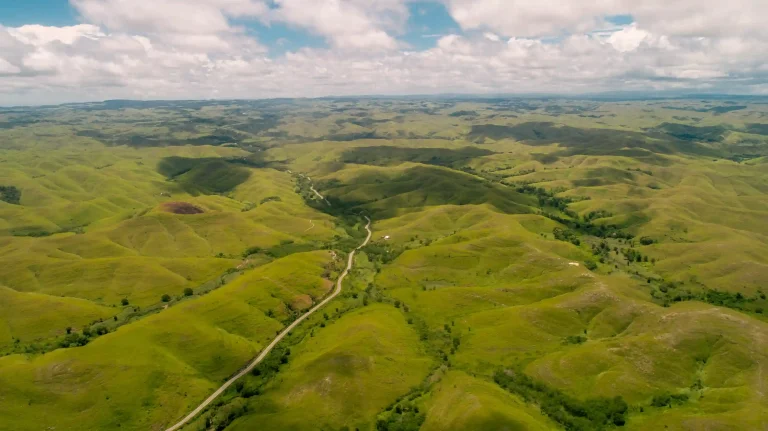
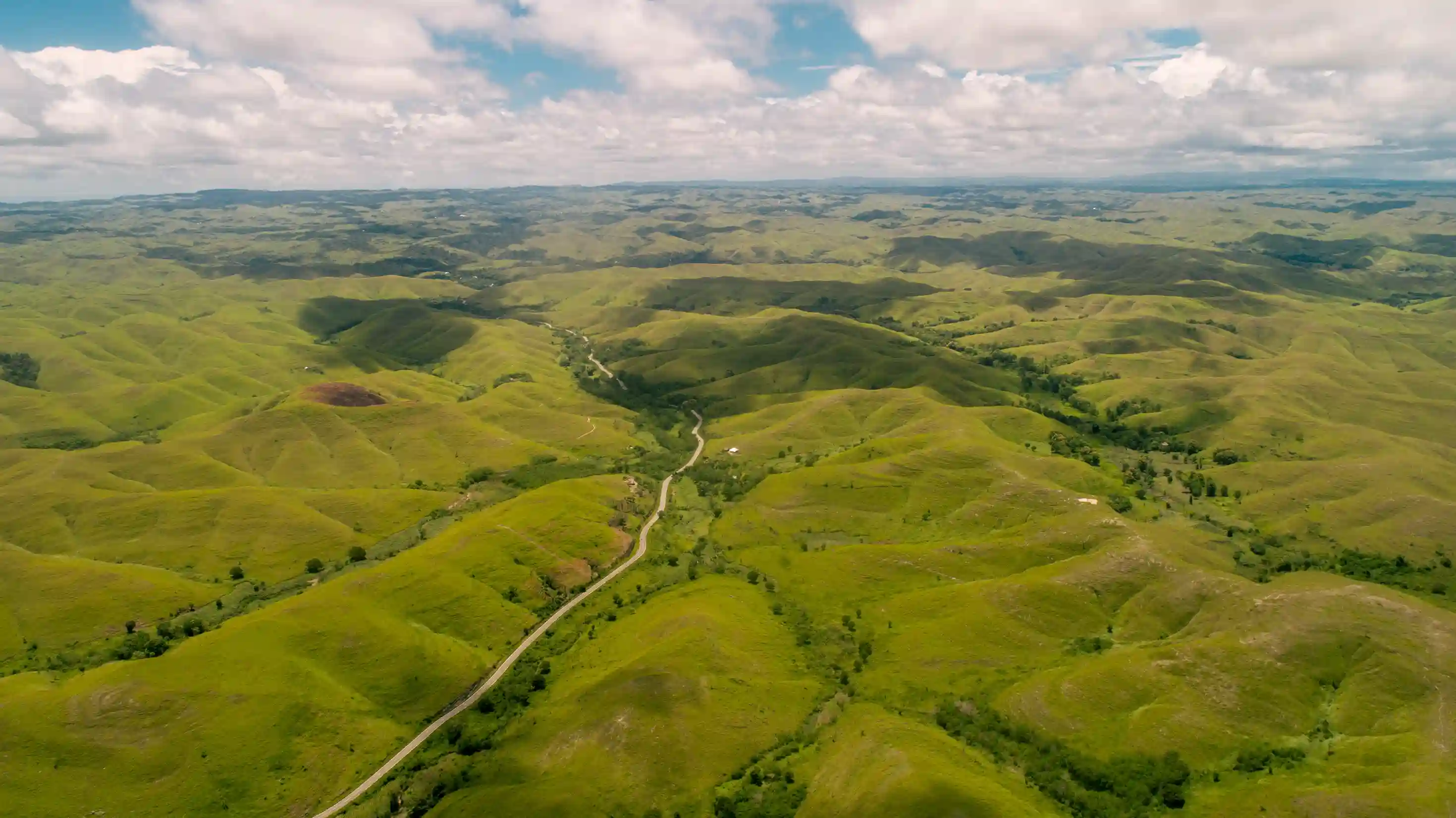
Sumba, situated just south of the equator, experiences a tropical monsoon climate. Unlike many parts of Indonesia, Sumba has a prolonged dry season, often lasting from May to October, followed by a wet season from November to April. This seasonal variation dictates everything from the island’s landscape—transforming from lush green to golden savannah—to the navigability of its roads and the timing of its cultural ceremonies. The unique Sumba island climate means planning your visit requires attention to these shifts.
The average temperature on Sumba hovers around 27-30°C (81-86°F) year-round, with coastal areas often feeling warmer due to humidity. Inland and at higher elevations, particularly at night, temperatures can drop a few degrees, offering a slight respite. Humidity levels are generally lower during the dry season, making for more comfortable exploration.
The Dry Season: May to October
The dry season in Sumba is characterized by consistently sunny days, minimal rainfall, and lower humidity. This is the period when the island’s famous savannahs turn a beautiful golden-brown, creating dramatic landscapes perfect for photography. Roads are generally in excellent condition, making travel across the island straightforward. This period is often considered the best time to visit for general tourism and ease of access.
May
- Weather
- The transition from wet to dry season solidifies. Expect abundant sunshine, very little Sumba rainfall, and comfortable temperatures averaging 27-29°C (81-84°F). Humidity begins to drop noticeably.
- Road Conditions
- Roads across the island, including the main routes connecting Tambolaka and Waingapu, are drying out and generally in good condition. Unsealed laterite roads become much easier to navigate.
- Crowd Level
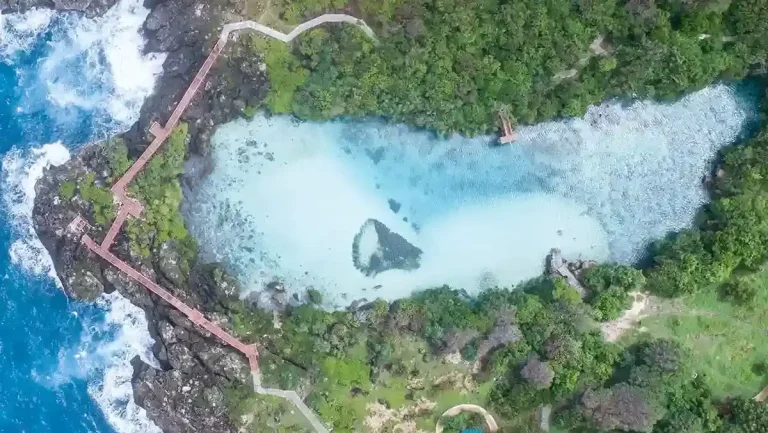
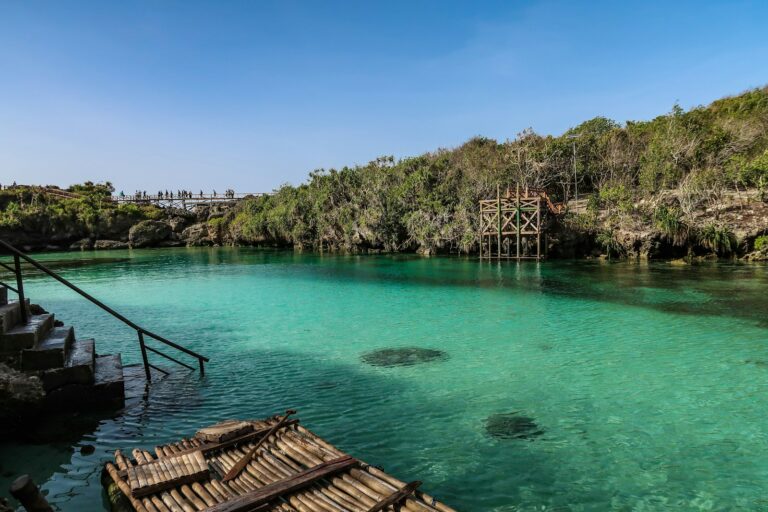
- Low to moderate. It’s a fantastic time to visit before the peak season crowds arrive, offering a more peaceful experience at popular spots like Weekuri Lagoon and Mandorak Beach.
- Special Considerations / Events
- The landscape is still relatively green from the recent rains but quickly transitioning. Ideal for exploring waterfalls like Lapopu and Waimarang before their flow diminishes too much.
June
- Weather
- Consistently dry and sunny with clear blue skies. Temperatures remain stable around 27-29°C (81-84°F). Humidity is low, making for very pleasant daytime conditions. The Sumba island climate is at its most agreeable for outdoor activities.
- Road Conditions
- Excellent. All main sealed roads are clear, and even the more remote laterite tracks are firm and easily passable by 4×4 vehicles. Access to remote villages and beaches is straightforward.
- Crowd Level
- Moderate. Visitor numbers start to increase as the dry season fully sets in and European summer holidays begin.
- Special Considerations / Events
- Perfect for beach exploration, surfing, and cultural village visits. This is also a good time for trekking and horseback riding across the drying savannahs.
July
- Weather
- Part of Sumba’s peak season for visitors, July offers almost guaranteed sunshine and minimal Sumba rainfall. Temperatures are similar to June, with comfortable warmth. Nights can be slightly cooler inland.
- Road Conditions
- Excellent. Roads are at their best condition, offering smooth travel between destinations. Accessibility to even the most remote areas is generally not an issue.
- Crowd Level
- High. July and August are typically the busiest months, particularly with international travelers. Expect more visitors at popular sites.
- Special Considerations / Events
- Book accommodations and tours well in advance. While crowds are higher, Sumba never feels truly “overrun.” It’s an ideal time for photography with the golden savannahs contrasting with the turquoise sea.
August
- Weather
- Continues the trend of dry, sunny weather, similar to July. Day temperatures are warm, and evenings are pleasant. Sumba rainfall is extremely rare. This is the heart of the dry season Sumba experiences.
- Road Conditions
- Excellent. All roads are dry and fully accessible. This is the easiest time for self-driving (with proper permits) or guided tours across the island.
- Crowd Level
- High. Another peak month for tourism. Prices for accommodation and some services may be at their highest. Plan and book early.
- Special Considerations / Events
- Prime time for surfing, particularly on the southwest coast. The dry landscape makes for easy walking and exploring. Cultural events might be organized by local communities, but these are often spontaneous and not publicly advertised far in advance.
September
- Weather
- The dry season persists, though towards the end of the month, you might notice a very slight increase in humidity as the season begins its slow transition. Still, expect consistent sunshine and low Sumba rainfall. Temperatures remain warm.
- Road Conditions
- Very good. Roads remain in excellent condition. Any minor dust on laterite roads is easily managed.
- Crowd Level
- Moderate to high. The peak season crowds begin to thin out slightly, offering a good balance between agreeable weather and fewer visitors.
- Special Considerations / Events
- Excellent month for all activities. The golden savannahs are at their most striking. Ideal for those who prefer good weather without the absolute peak season visitor numbers.
October
- Weather
- Still predominantly dry and sunny, but the Sumba island climate begins its gradual shift towards the wet season. You might experience a few isolated, short showers, usually in the late afternoon or evening. Humidity starts to rise. Temperatures remain warm, around 28-30°C (82-86°F).
- Road Conditions
- Good. Roads are still very much passable. Any light rain is usually absorbed quickly, not affecting travel significantly.
- Crowd Level
- Moderate. A good shoulder month to visit, balancing pleasant weather with fewer tourists than July/August.
- Special Considerations / Events
- The landscape might start to show hints of green returning after any scattered rain. Good for surfing as conditions can be excellent. A great time to visit before the full impact of the Sumba rainfall.
The Wet Season: November to April
The wet season brings significant Sumba rainfall, transforming the dry, golden landscape into a vibrant green. While less popular for general tourism due to road challenges and higher humidity, this period has its own unique charm, particularly for those seeking lush scenery and impressive waterfalls. Travel requires more flexibility and often a sturdy 4×4 vehicle.
November
- Weather
- The wet season officially begins. Expect increasing Sumba rainfall, often in heavy, tropical downpours that can last for a few hours. Humidity rises considerably. Temperatures remain warm, but the rain provides some cooling.
- Road Conditions
- Variable. Sealed roads remain generally good, but unsealed laterite roads can become muddy and slippery. Some low-lying areas might experience temporary flooding. Travel times can increase.
- Crowd Level
- Low. This is the beginning of the low season, with fewer international visitors.
- Special Considerations / Events
- The island starts to turn green, and waterfalls gain strength. If you’re keen on seeing Sumba’s waterfalls at their most powerful, this is a good time, but be prepared for challenging road access.
December
- Weather
- Heavy and frequent Sumba rainfall is common, often daily. Expect warm temperatures with high humidity. Tropical storms are possible, though less frequent than in peak cyclone regions.
- Road Conditions
- Challenging. Many laterite roads become very muddy and can be impassable. For example, the road to Lapopu Waterfall can become very difficult or completely cut off after heavy rains, requiring local knowledge and a robust 4×4. Always check local conditions before setting out.
- Crowd Level
- Low. Very few tourists venture to Sumba during this period due to the intense Sumba rainfall and road conditions.
- Special Considerations / Events
- The landscape is incredibly lush and green. Waterfalls are at their most impressive, but access is significantly harder. This is a time for resilient, flexible travelers who appreciate the raw beauty of Sumba’s wet season.
January
- Weather
- Continues to be the heart of the wet season, with heavy daily Sumba rainfall. High humidity and warm temperatures persist. Short breaks in the rain are common, offering windows for exploration.
- Road Conditions
- Very challenging. Road closures, particularly on unsealed sections, are common. River crossings can swell, making some routes dangerous or impossible. A local guide with a capable 4×4 is essential for venturing off main sealed roads.
- Crowd Level
- Very low. The quietest month for tourism.
- Special Considerations / Events
- For those seeking solitude and dramatic, rain-fed landscapes, January offers a unique perspective. Be prepared for delays and changes to your itinerary due to weather and road conditions.
February
- Weather
- Still deep in the wet season, but it marks the beginning of the Pasola festival period. Expect significant Sumba rainfall, though it might start to become slightly less consistent towards the end of the month. High humidity.
- Road Conditions
- Challenging. Roads are still muddy and difficult, especially to remote Pasola locations. Planning for Pasola requires careful consideration of access, as the events often take place in unsealed areas.
- Crowd Level
- Moderate. Despite the challenging Sumba weather, Pasola draws a significant number of domestic and international visitors to specific areas (usually West Sumba, around Waikabubak). Accommodation will be booked out.
- Special Considerations / Events
- Pasola Festival season begins! The exact dates are determined by Marapu priests based on the full moon and the appearance of sea worms (nyale), usually falling in February or March. This is a powerful, spiritual event, but requires robust planning for transport and accommodation. Be aware of the cultural significance and respect local customs.
March
- Weather
- Transition month. While still considered part of the wet season, Sumba rainfall often starts to decrease, and sunny periods become more frequent and longer. Humidity remains high. Temperatures are warm.
- Road Conditions
- Improving but still challenging. Roads begin to dry out, but muddy sections and potholes remain. Access to Pasola sites can still be difficult. Always account for extra travel time.
- Crowd Level
- Moderate. Pasola festival often continues into March. Otherwise, general tourism is low.
- Special Considerations / Events
- Pasola Festival continues or concludes this month. This is a prime opportunity to witness this incredible Marapu ritual, but flexibility is key. Be prepared for the transitional Sumba weather and its impact on travel.
April
- Weather
- The official end of the wet season and start of the dry season transition. Sumba rainfall significantly reduces, and sunny days become dominant. Humidity starts to drop. The landscape is incredibly green and lush from the recent rains.
- Road Conditions
- Good and improving. Roads are drying out quickly. Most routes are fully accessible, though some deeper potholes on laterite roads might remain from the wet season.
- Crowd Level
- Low to moderate. An excellent shoulder month. The island is beautiful and green, waterfalls are still strong, and crowds are minimal before the peak dry season.
- Special Considerations / Events
- Perfect for photography of the verdant landscapes and powerful waterfalls. A great balance of good Sumba weather and fewer visitors. Consider this a strong contender for “best time to visit” if you want lush scenery without heavy rain.
Health & Safety Considerations on Sumba
Regardless of the Sumba weather, certain health and safety precautions are essential. Sumba is an endemic area for malaria, meaning prophylaxis is a real and necessary consideration for most visitors. Consult your doctor about anti-malarial medication before your trip. Always use mosquito repellent, especially at dawn and dusk. Dengue fever is also present, for which there is no vaccine; mosquito protection is your best defense.
Medical facilities on Sumba are limited. Waingapu (East Sumba) and Waikabubak (West Sumba) have hospitals, but serious medical emergencies often require evacuation to Bali or Jakarta. Ensure you have comprehensive travel insurance that covers medical evacuation. Carry a basic first-aid kit, especially if you plan to visit remote areas with challenging road conditions. Staying hydrated, particularly during the dry season, is also crucial.
Planning Your Sumba Trip: Best Time to Visit
The “best” time to visit Sumba largely depends on your priorities:
* **For excellent road conditions, golden savannahs, and minimal Sumba rainfall:** May to October (Dry Season Sumba) is ideal. July and August are peak season, with more visitors.
* **For lush green landscapes, powerful waterfalls, and cultural festivals like Pasola:** February to March (Wet Season Sumba) offers a unique experience, but requires flexibility and preparedness for challenging road conditions.
* **For a balance of green landscapes, good weather, and fewer crowds:** April, May, and October are excellent shoulder months.
When planning your journey, remember that Sumba is a large island. Travel between the two main airports, Tambolaka (West Sumba) and Waingapu (East Sumba), can take 3-4 hours on main sealed roads. Venturing off these main routes onto laterite roads, especially during the wet season, will significantly extend travel times. Always factor in extra time for unexpected delays.
Ready to explore Sumba? Let us help you navigate the Sumba weather and plan an unforgettable journey tailored to your interests. From the golden savannahs of the dry season Sumba to the dramatic waterfalls of the wet, we ensure you’re honestly briefed and well-prepared. Plan your trip with us today via our website or WhatsApp for personalized assistance. Remember, no one can pay to change what we publish; if you proceed with our partner they may pay us a referral fee at no extra cost to you.
Frequently Asked Questions About Sumba Weather
Is Sumba safe to visit during the wet season?
Sumba is generally safe to visit during the wet season, but travelers must be prepared for challenging conditions. Heavy Sumba rainfall can make unsealed roads muddy and impassable, leading to potential delays or changes in itinerary. Flash floods can occur in low-lying areas. It’s crucial to travel with experienced local guides and robust vehicles (4x4s) if you plan to explore remote areas. Flexibility and patience are key.
What is the Pasola festival, and when does it happen?
Pasola is a traditional Marapu ritual in Sumba, a mock battle between two groups of horsemen using wooden spears. It is a deeply spiritual event held to celebrate the rice planting season and ensure a good harvest. The exact dates are not fixed but are determined by Marapu priests based on lunar cycles and the appearance of certain sea worms (nyale), usually falling in February or March. It’s a significant cultural experience but requires careful planning due to the Sumba weather and potential road challenges during this transitional period.
Do I need malaria prophylaxis for Sumba?
Yes, Sumba is considered an endemic area for malaria. It is highly recommended that visitors consult with their doctor or a travel health specialist regarding malaria prophylaxis before traveling to Sumba. In addition to medication, always use insect repellent containing DEET, wear long sleeves and trousers at dawn and dusk, and sleep under mosquito nets if available. This applies year-round, regardless of the specific Sumba weather conditions.
How does the Sumba weather affect the landscape?
The Sumba island climate dramatically transforms the landscape. During the dry season (May-October), the island’s vast savannahs turn a distinctive golden-brown, creating stark, beautiful scenery. Rivers and waterfalls may have reduced flow. During the wet season (November-April), heavy Sumba rainfall quickly turns the island lush green, rivers swell, and waterfalls like Lapopu become incredibly powerful and impressive. Each season offers a uniquely different visual experience of Sumba.
Keep Reading
Uncategorized
Is Sumba Family-Friendly? Travelling with Children to Sumba Island
Considering a Sumba with family trip? Our editorial desk offers candid advice on safety, malaria, roads, and activities for a…
Uncategorized
Photography in Sumba: Tips, Ethics & the Best Locations to Shoot
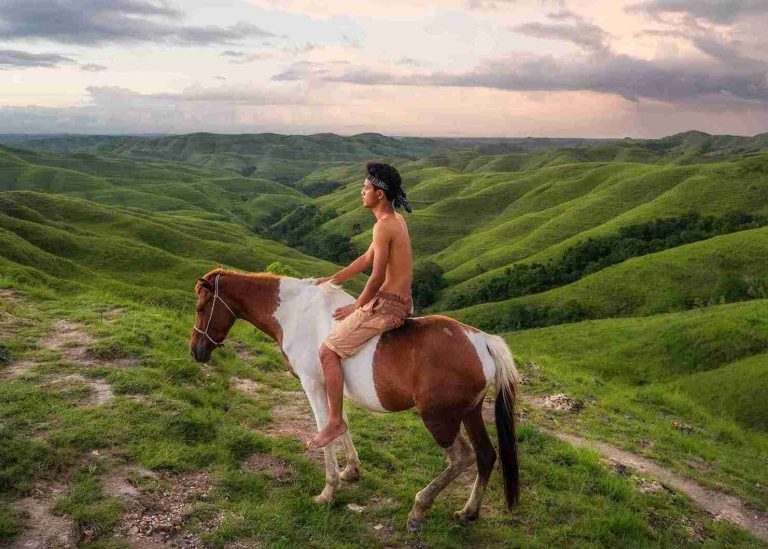
A practical Sumba photography guide covering ethical practices, essential gear, and the best locations like Walakiri, Weekuri, Ratenggaro, and Pasola.
Uncategorized
Konda Lake East Sumba: Birdwatching at Sumba’s Hidden Waterway
Discover Konda Lake East Sumba, a tranquil tidal waterway near Waingapu, ideal for Konda Lake birdwatching and observing Sumba's unique…