
The Nyale Worm: Why a Sea Worm Determines When Pasola Happens
In Sumba, the arrival of the **nyale worm sumba** is not just a biological event; it is a sacred signal, an ancient calendar whispered by the ocean itself. This diminutive sea worm, specifically *Eunice viridis*, holds the key to one of the island’s most vibrant and revered ceremonies: Pasola. For centuries, the Marapu spiritual leaders, known as Rato, have interpreted the emergence of the *nyale worm sumba* from the reefs, using its appearance to forecast the year’s harvest and, crucially, to set the dates for the ritual jousting festival that embodies Sumba’s warrior spirit.
What Exactly is the Nyale Worm?
The *nyale worm sumba* is a type of bristle worm, scientifically known as *Eunice viridis*. This marine invertebrate is a striking creature, often displaying a vibrant array of colors—greens, reds, and browns—making it quite noticeable when it appears. Typically measuring between 10 to 20 centimeters, though some can be larger, these worms inhabit coral reefs and rocky crevices, primarily in the Indo-Pacific region.
Their emergence from the reef is tied directly to their reproductive cycle. Once or twice a year, usually in the early months, under specific lunar conditions—often around the full moon—the posterior segments of the worms, laden with eggs or sperm, detach and swim to the surface. This phenomenon, known as epitoky, is a mass spawning event. The detached segments, also called epitokes, writhe and swarm in the shallow waters, releasing their gametes to fertilize and perpetuate the species. It is this mass appearance of the *nyale sea worm* at the water’s surface that holds such profound significance for the people of Sumba.
The *nyale worm* is not unique to Sumba; similar spawning events occur in other parts of Indonesia and the Pacific. However, it is the deeply embedded cultural and spiritual interpretation in Sumba that elevates its status from a mere biological occurrence to a pivotal moment in the island’s annual rhythm. The abundance and health of the emerging worms are observed with meticulous care, providing a spiritual barometer for the year ahead.
The Pasola Nyale Connection: Sumba’s Sacred Calendar
The heart of Sumba’s unique cultural calendar beats to the rhythm of the *nyale ritual sumba*. For international and Indonesian travellers alike, understanding this connection is paramount to appreciating the island’s spiritual depth and the logistical realities of experiencing Pasola.
The Rato, the revered spiritual leaders of the Marapu faith, are the keepers of this ancient knowledge. They are the ones who venture to the designated coastal areas, primarily in West Sumba, at dawn during the anticipated lunar cycle. Their observation of the *nyale sea worm* is not merely a scientific check; it is a deeply spiritual act of communion with nature and the ancestors. The interpretation goes beyond simply noting the worms’ presence. The Rato meticulously examine:
* **Quantity:** A plentiful emergence signals abundance.
* **Colour:** Bright, rich colours are seen as auspicious.
* **Health:** Vigorous, intact worms suggest a strong future.
* **Time of Appearance:** Early or late appearances can also carry meaning.
A rich, colourful, and abundant emergence of the *nyale worm sumba* is interpreted as a blessing—a sign from the ancestors that the coming year will bring a good harvest, health, and prosperity for the community. Conversely, a sparse or sickly appearance might suggest challenges ahead, prompting rituals of appeasement and reflection.
Once the Rato have made their pronouncement, a crucial period of anticipation begins. The Pasola ritual is not held immediately. There is a traditional waiting period, typically 1 to 2 weeks, after the *nyale ritual sumba* sighting. This interval allows time for the news to spread across the different villages, for warriors to prepare themselves, and for the communities to complete various pre-Pasola ceremonies, including blessings, feasts, and spiritual preparations. This built-in delay is why, even after the worms are sighted, the exact Pasola dates are rarely known far in advance.
This unpredictability is perhaps the most significant challenge for travellers hoping to witness Pasola. Unlike modern festivals with fixed schedules, Pasola remains anchored to the ancient ways, dictated by the moon, the tides, and the wisdom of the Rato. There is no central committee setting dates; only the spiritual reading of the *nyale worm sumba* can determine when the jousting will commence. This means that an attempt to witness Pasola requires significant flexibility, a willingness to embrace the unknown, and a genuine respect for the cultural processes that govern it.
Beyond the Ritual: The Nyale Worm as a Delicacy
While the *nyale worm sumba* plays a crucial role in determining the timing of Pasola, its significance extends beyond spiritual prognostication. During its brief annual appearance, the *nyale sea worm* transforms into a highly anticipated culinary delicacy, eagerly harvested and enjoyed by the local communities.
When the worms surface in large numbers, particularly in the calm waters of the early morning, villagers flock to the beaches and shallow reefs. They use fine nets, woven baskets, or simply their bare hands to scoop up the wriggling, colourful epitokes. This communal harvesting is often a joyous affair, a time for families and friends to gather, celebrating the sea’s bounty.
The *nyale worm* is consumed in various ways, showcasing the ingenuity of Sumba’s traditional cuisine. One of the simplest methods involves eating them raw, often seasoned with a squeeze of lime juice, a touch of chili, or a sprinkle of salt. Locals describe the taste as fresh, slightly briny, and distinctively oceanic, with a texture that is soft yet firm.
More elaborate preparations include:
* **Nyale Tumis:** Sautéed with local spices, shallots, garlic, and chilies, creating a flavourful and aromatic dish.
* **Nyale Pais:** Wrapped in banana leaves with herbs and spices, then steamed or grilled, similar to other Indonesian “pepes” dishes.
* **Nyale Soup:** Incorporated into a light, clear broth, often with vegetables, to create a nourishing meal.
The consumption of the *nyale worm* is not just about sustenance; it is an integral part of the cultural experience surrounding its emergence. It connects the community directly to the land and sea, reinforcing the cycle of nature that the Marapu faith reveres. For travellers fortunate enough to be in Sumba during a nyale sighting, tasting this unique delicacy offers an authentic, albeit adventurous, insight into local life and traditions. It’s a reminder that in Sumba, every aspect of nature, even a sea worm, holds multiple layers of meaning—spiritual, cultural, and gastronomic.
Planning Your Trip Around Pasola and the Nyale Sighting
Planning a trip to Sumba with the specific aim of witnessing Pasola requires an understanding of the realities on the ground. As our editorial desk, we are candid about these challenges because Sumba Private Tour believes in preparing you for an authentic experience, not an idealized one.
The primary hurdle is the unpredictable nature of the *pasola nyale connection*. As established, the dates are fluid, determined by the Rato’s reading of the *nyale ritual sumba*. This means:
* **No Fixed Dates:** Unlike many festivals with published schedules months in advance, Pasola dates are typically announced only 1-2 weeks before the event, and sometimes even less.
* **Flexibility is Key:** Travellers need to build significant flexibility into their itinerary. This often means planning a longer stay in Sumba (at least 2-3 weeks in the anticipated Pasola window, typically February or March) or being prepared for last-minute travel adjustments.
* **Real-time Updates:** Reliable local contacts are essential. Sumba Private Tour works closely with communities and Rato to receive the most current information as soon as it becomes available.
Beyond the timing, there are other logistical considerations for travellers:
* **Accommodation:** When Pasola dates are announced, demand for accommodation in West Sumba (where Pasola is primarily held) can surge rapidly. Booking flexible options or being prepared for more basic guesthouses is advisable.
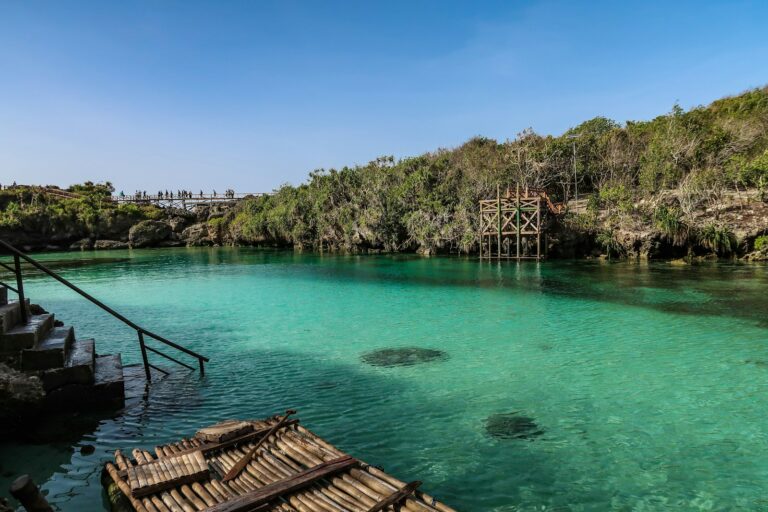
* **Transportation:** Sumba’s roads, particularly in the wet season (which often coincides with Pasola), can be challenging. A 4WD vehicle is not just recommended; it is often essential for reaching remote villages where the ceremonies take place. Distances between Pasola locations can be substantial, and travel times can be longer than anticipated due to road conditions. For example, travelling from the Weekuri lagoon area to some of the more remote ikat villages in East Sumba can take half a day or more, even without heavy rain.
* **Cultural Respect:** Visiting Marapu adat communities requires adherence to local customs. This includes dressing modestly (shoulders and knees covered), asking permission before taking photographs, and being mindful of local protocols during ceremonies. Your Sumba Private Tour guide will always brief you thoroughly on these sensitivities.
* **Health Precautions:** Sumba is a malaria-endemic area. Travellers must take appropriate precautions, including antimalarial medication, using mosquito repellent, and sleeping under mosquito nets.
When you plan your trip with Sumba Private Tour, we work to build an itinerary that connects you to Sumba honestly. We factor in these realities, offering you the best chance to experience Pasola while also exploring other facets of Sumba, from the pristine beaches of Weekuri lagoon to the ancient villages of Praijing or Ratenggaro, or even a tailored itinerary around luxury accommodations like NIHI Sumba. We understand the allure of Pasola, but we also ensure you discover the island’s many other compelling stories.
Ready to navigate the unique challenges and rewards of Sumba travel? Let’s plan your trip. We’re also available for quick queries via WhatsApp.
The Deeper Meaning: Marapu Culture and Sumba’s Interconnectedness
To truly appreciate the *nyale ritual sumba* and its connection to Pasola, one must first understand the foundational belief system of Sumba: Marapu. Marapu is the indigenous ancestral religion, a spiritual framework that permeates every aspect of life on the island. It is not merely a set of beliefs but a way of living, a profound reverence for ancestors, nature, and the intricate balance of the cosmos.
Central to Marapu is the idea that the living, the dead (ancestors), and the natural world are inextricably linked. The ancestors, the Marapu, are believed to reside in the spirit world, watching over their descendants and capable of influencing events on Earth. Therefore, maintaining harmony with the ancestors and nature is paramount.
The *nyale sea worm* serves as a powerful symbol of this interconnectedness. Its appearance is interpreted as a direct message from the ancestors, a sign communicated through the natural world. The health and abundance of the worms reflect the well-being of the spiritual realm and, by extension, the prosperity of the human community and its agricultural cycles. Pasola, in turn, is a ritual of appeasement, thanksgiving, and a purification rite, ensuring the continued favour of the Marapu for a bountiful harvest. It is a moment where the community comes together to demonstrate their strength, unity, and respect for tradition, often involving mock battles that channel potential conflicts and cleanse the land.
Understanding this spiritual grounding transforms the *nyale worm sumba* from a curious biological phenomenon into a sacred messenger. It highlights how Sumba’s culture is deeply rooted in its environment, with natural occurrences given profound spiritual significance. For a traveller, this means approaching every cultural interaction, every ceremony, and even every natural observation with respect and an open mind, recognizing the layers of meaning that underpin Sumba life.
Here’s a comparison of key aspects related to the *nyale worm* and Pasola:
- What is Nyale?
- A marine bristle worm (*Eunice viridis*) that spawns annually.
- Cultural Significance of Nyale
- A sacred indicator for the annual harvest and the timing of Pasola, interpreted by Rato (spiritual priests).
- Culinary Use of Nyale
- Considered a delicacy, harvested and eaten raw or cooked during its brief appearance.
- What is Pasola?
- A traditional Sumba ritual involving mock spear-fighting on horseback, primarily held in West Sumba.
- Purpose of Pasola
- To cleanse the land, appease ancestors, ensure good harvests, and demonstrate community strength.
- Timing of Pasola
- Determined by the Rato’s reading of the nyale worm emergence, typically 1-2 weeks after the sighting, usually in February or March.
- Traveller’s Challenge
- Unpredictable dates require flexibility, local knowledge, and last-minute planning.
Navigating Sumba: Realities of Off-the-Beaten-Path Travel
Sumba is a destination for those seeking genuine, off-the-beaten-path experiences. It is not Bali. While its raw beauty and cultural richness are immense, it comes with certain realities that are important for any visitor to acknowledge. As our editorial desk, we believe in painting an honest picture.
**Road Conditions:** The island’s infrastructure is still developing. While main arteries are improving, many roads leading to remote villages and natural attractions are unpaved, uneven, and can become treacherous during the wet season (roughly November to April). This is why a sturdy 4WD vehicle is not a luxury but a necessity for exploring beyond the main towns. What might look like a short distance on a map can easily take several hours to traverse. For instance, reaching some of the traditional ikat villages in East Sumba from the main city of Waingapu can involve navigating rough terrain for hours. Similarly, travel between destinations in West Sumba, such as from Tambolaka airport to the iconic Ratenggaro village or the Weekuri lagoon, requires patience and a robust vehicle.
**Remote Areas and Infrastructure:** Many of Sumba’s most captivating cultural sites and natural wonders are located in remote areas. This means that access to amenities like reliable electricity, consistent internet, or a wide array of dining options can be limited. Embrace this as part of the adventure. It’s in these remote corners where you’ll find the most preserved Marapu traditions, the most intricate hand-woven ikat textiles, and the warmest welcomes. Prepare for occasional power outages and patchy phone signals, and appreciate the moments of disconnection.
**Malaria Risk:** Sumba is a malaria-endemic zone. This is a serious consideration, and preventative measures are crucial. Consult your doctor about antimalarial medication, use strong insect repellent, and wear long sleeves and trousers, especially from dusk till dawn. Your well-being is paramount, and being informed and prepared allows you to enjoy Sumba safely.
**The Rewards of Honest, Respectful Travel:** Despite these challenges, Sumba offers profound rewards. The island is incredibly welcoming to respectful visitors. The smiles are genuine, the traditions are alive, and the landscapes, from the rolling savannas to the pristine beaches, are captivating. By understanding and respecting the realities, you foster a deeper connection with the island and its people. This approach allows you to engage with Marapu culture authentically, witness ceremonies like Pasola with genuine appreciation, and leave with a truly unique travel story.
Sumba Private Tour is built on this philosophy. We don’t promise a sanitized, effortless journey. Instead, we promise an authentic, culturally respectful, and honestly briefed experience. We navigate the complexities so you can focus on the discovery.
Frequently Asked Questions About the Nyale Worm and Pasola
What are the best months to *try* to see Pasola?
Pasola typically occurs in February or March, but it is entirely dependent on the Rato’s reading of the nyale worm emergence, which is tied to the full moon. This means the exact dates are only announced 1-2 weeks in advance. To maximize your chances, plan a flexible trip spanning several weeks within this window and rely on local contacts for real-time updates.
Is it safe to eat the nyale worm?
Yes, for the local communities who harvest them, the nyale worm is considered a seasonal delicacy and is consumed safely. They are typically eaten fresh, raw with lime, or lightly cooked. However, as with any unfamiliar food, exercise caution, especially if you have a sensitive stomach, and always ensure it’s prepared hygienically by trusted locals.
How can Sumba Private Tour help with unpredictable Pasola dates?
As your Sumba travel curator, Sumba Private Tour works closely with our network of local contacts and communities across the island. We monitor news from the Rato diligently and will inform you immediately when Pasola dates are announced. We then work swiftly to adjust your itinerary, secure the best available accommodation and transportation, and ensure you have an experienced local guide to navigate the events respectfully. While we cannot guarantee you will witness Pasola due to its unpredictable nature, we offer the best possible chance through our real-time local intelligence and flexible planning approach. We aim to connect you honestly to Sumba’s realities.
Ready to explore Sumba, embracing its unique rhythms and profound culture? Let us help you craft an unforgettable journey. You can plan your trip with us directly, or reach out via WhatsApp for a quick chat. No one can pay to change what we publish; if you proceed with our partner they may pay us a referral fee at no extra cost to you.
Keep Reading
Uncategorized
Is Sumba Family-Friendly? Travelling with Children to Sumba Island
Considering a Sumba with family trip? Our editorial desk offers candid advice on safety, malaria, roads, and activities for a…
Uncategorized
Photography in Sumba: Tips, Ethics & the Best Locations to Shoot
A practical Sumba photography guide covering ethical practices, essential gear, and the best locations like Walakiri, Weekuri, Ratenggaro, and Pasola.
Uncategorized
Konda Lake East Sumba: Birdwatching at Sumba’s Hidden Waterway
Discover Konda Lake East Sumba, a tranquil tidal waterway near Waingapu, ideal for Konda Lake birdwatching and observing Sumba's unique…