
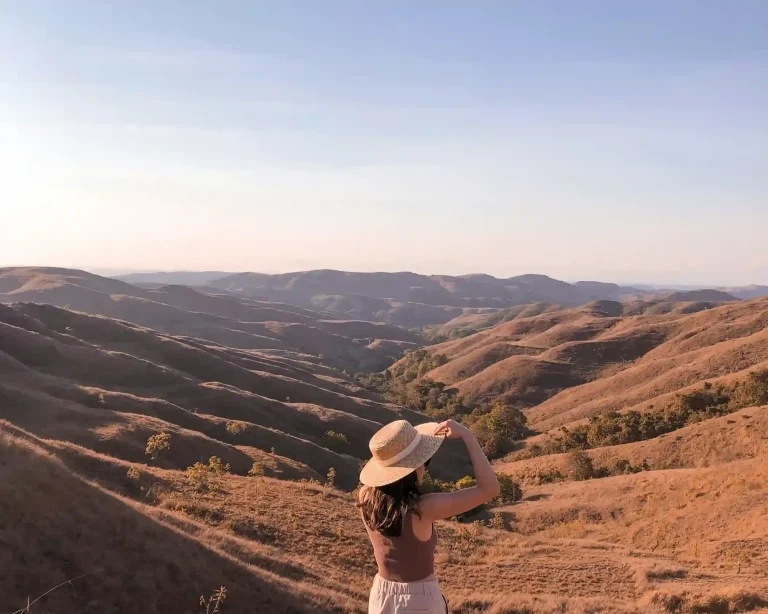
Solo Travel in Sumba: What to Know Before Going Alone
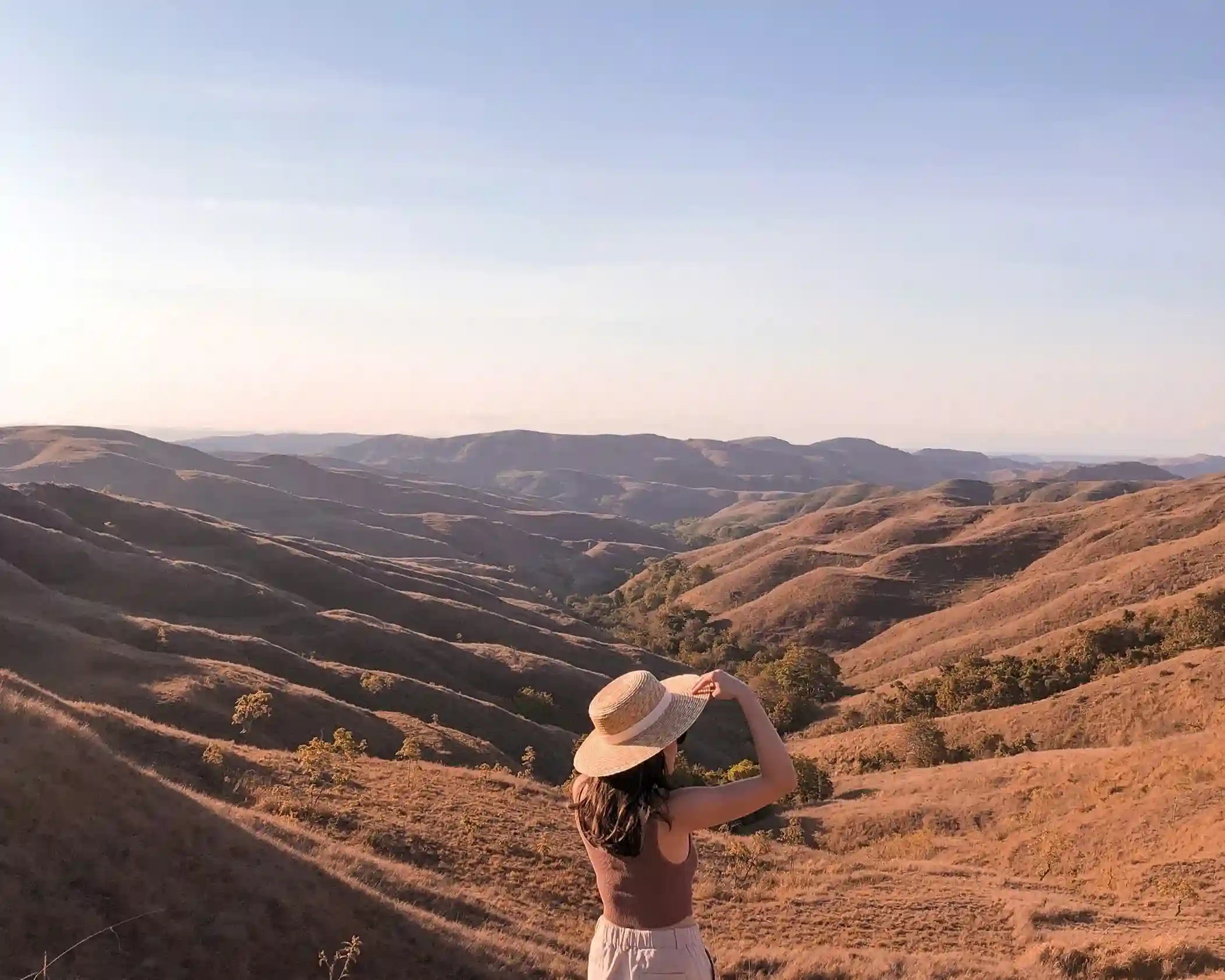
Sumba solo travel offers a unique adventure for independent explorers, but understanding the island’s specific conditions is key to a rewarding sumba island solo trip. While the prospect of exploring this captivating island alone can feel liberating, preparation is paramount.
Sumba is a destination that rewards the prepared. As the Logistics, Health & Safety Editor desk at Sumba Private Tour, we’ve seen firsthand how a little foresight can transform a good trip into an exceptional one, especially for those considering travel Sumba alone. This guide is designed to provide you with a candid, practical overview of what to expect as a solo traveller in Sumba, from navigating its roads to understanding its unique health considerations.
Is Sumba Safe for Solo Travel?
For those asking, “Is Sumba safe solo?”, the answer is generally yes, with some important nuances. Sumba is known for its low crime rate, particularly against tourists. Local communities are renowned for their warmth and hospitality, often extending invitations for coffee or conversation. This welcoming spirit is a hallmark of the island.
However, safety for a solo traveller in Sumba extends beyond just crime statistics. It involves understanding local customs, being prepared for logistical challenges, and having a robust health plan.
Community and Cultural Safety
Sumba’s communities are deeply rooted in Marapu culture, an animistic belief system that emphasizes respect for ancestors and nature. This cultural framework fosters strong community bonds and a generally peaceful environment. Solo travellers who approach the island with respect and an open mind will find themselves welcomed. Learning a few basic Bahasa Indonesia phrases, such as “terima kasih” (thank you) and “permisi” (excuse me), goes a long way.
Emergency Contacts and Local Support
While serious crime is rare, minor incidents can occur anywhere. Always keep a list of essential contacts: your accommodation, local police (Polres Sumba Barat Daya for Tambolaka area, Polres Sumba Timur for Waingapu area), and the Indonesian emergency number (112). Having a local SIM card with data is highly advisable for communication and navigation. Our experience suggests that local people are often quick to offer assistance if you find yourself in a genuine predicament.
Navigating Sumba Alone: Transport Challenges for the Solo Traveller Sumba
Transport is arguably the biggest logistical hurdle for any solo traveller in Sumba. Unlike more developed tourist destinations in Indonesia, Sumba lacks widespread, organized public transport to its key attractions, and ride-hail applications are extremely limited.
Air Access to Sumba
Your journey to Sumba will likely begin by air from Bali (Denpasar, DPS). Sumba has two main airports:
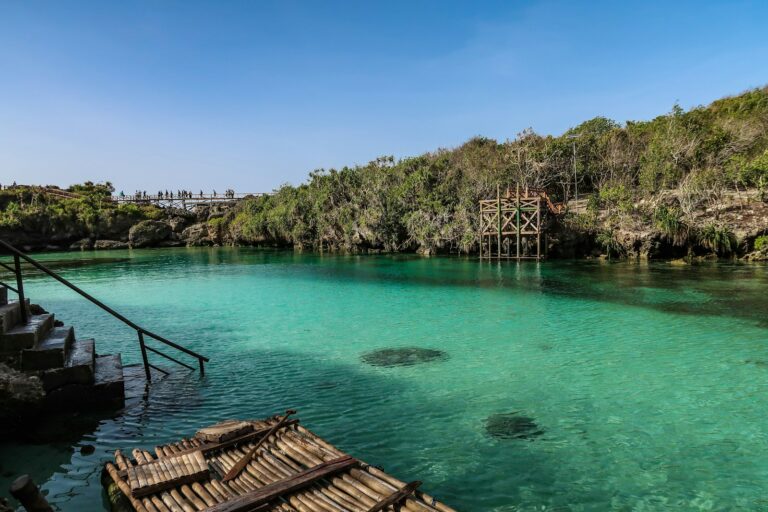
* **Tambolaka (TMC) in West Sumba:** Serves Waikabubak and the western beaches like Mandorak and Weekuri Lagoon.
* **Waingapu (WGP) in East Sumba:** Serves the capital, Waingapu, and eastern attractions like Wairinding Hill and Praiyawang Village.
Both airports have daily flights from Denpasar. Booking in advance is recommended, especially during peak seasons. Upon arrival, you’ll find taxis available, but their prices can be higher than pre-arranged transport.
On-Island Transportation Options
This is where the solo traveller Sumba faces the most significant challenge.
- Public Bemos/Buses:
- These local minibuses operate on fixed routes between major towns (e.g., Waingapu to Waikabubak, Tambolaka to Waikabubak). They are incredibly cheap (typically IDR 30,000-50,000 for inter-town travel, last verified June 2026), but slow, often crowded, and do not venture off main roads to tourist sites. They will drop you at a junction, leaving you to find onward transport, which is often difficult and costly for the last mile.
- Motorbike Rental:
- Available in Waingapu and Waikabubak for around IDR 75,000-150,000 per day (last verified June 2026). This offers flexibility, but road conditions can be poor, especially to remote villages and waterfalls. Many roads to popular sites like Lapopu Waterfall or Ratenggaro Village are laterite (unsealed), rocky, or muddy, particularly during the rainy season (October/November to April/May). Riding alone, especially on unfamiliar and challenging terrain, carries significant risk. Always wear a helmet and ensure your travel insurance covers motorbike accidents.
- Ride-Hailing Apps:
- Go-Jek and Grab are largely unavailable outside of the immediate urban centers of Waingapu and Waikabubak. Even within these towns, coverage can be spotty. Do not rely on them for transport to remote areas.
- Private Car with Driver:
- This is the most practical and recommended option for accessing Sumba’s dispersed attractions. Prices range from IDR 700,000 to 1,200,000 per day (last verified June 2026) for a 4WD vehicle with a driver, including fuel. While this is a significant expense for a solo traveller, it offers safety, comfort, and access to places public transport cannot reach. It also provides a local guide who can navigate, translate, and facilitate cultural interactions.
The Reality of Remote Roads
Consider the road to Lapopu Waterfall. While the main road from Waikabubak is sealed for a good portion, the last stretch to the waterfall itself becomes a challenging laterite path. In December, during the height of the rainy season, this road can become impassable for regular vehicles due to mud and landslides. A 4WD vehicle and an experienced local driver are essential, and even then, flexibility is required. If a road is impassable, a good driver will know alternative routes or suggest other accessible destinations. Trying to navigate these situations alone, especially without local knowledge or a robust vehicle, is not only frustrating but potentially unsafe.
Language Barriers for your Sumba Island Solo Trip
While Bahasa Indonesia is the national language, Sumba is home to several distinct local languages (e.g., Kambera in the east, Wejewa and Kodi in the west). English proficiency, while increasing in tourist-facing businesses, remains limited outside of major hotels and established tour operators.
For a solo traveller Sumba, this means communication can be a challenge. Basic Bahasa Indonesia will be incredibly helpful for everyday interactions, ordering food, and asking directions. However, for deeper cultural understanding or navigating complex situations, a local guide who speaks both Bahasa Indonesia and the local Sumbanese dialects, in addition to some English, is invaluable. They can bridge the communication gap and open doors to more authentic experiences.
Health & Safety: A Critical Look for Solo Travellers
Health considerations are magnified for solo travellers. Without a companion to monitor symptoms or assist in an emergency, proactive health planning is crucial.
Malaria: A Real Risk in Sumba
Sumba is an endemic malaria zone. This is not something to take lightly. Malaria prophylaxis is strongly recommended by medical professionals. Consult your doctor well in advance of your trip to discuss options like Malarone or Doxycycline.
Symptoms of malaria (fever, chills, headache, muscle aches, fatigue) can mimic the flu, but prompt diagnosis and treatment are vital. As a solo traveller, you must be hyper-aware of your own body. If you feel unwell, seek medical attention immediately.
Medical Facility Limitations
Medical facilities on Sumba are basic compared to international standards or even those in major Indonesian cities like Bali.
* **Hospitals:** Available in Waingapu and Waikabubak, they can handle routine illnesses and minor injuries. However, for serious conditions, complex surgeries, or advanced diagnostic tests, resources are limited.
* **Clinics (Puskesmas):** Found in smaller towns and villages, these offer primary healthcare but are not equipped for emergencies.
In the event of a serious medical emergency, evacuation to Bali or even Singapore may be necessary. Ensure your travel insurance includes comprehensive medical coverage and emergency evacuation. Carry a well-stocked first-aid kit, including any prescription medications you require, as these may not be available on the island.
Other Health and Safety Tips
* **Water and Food:** Drink only bottled water. Be cautious with street food; choose vendors with high turnover and visible hygiene. Always wash your hands or use hand sanitizer before eating.
* **Heat and Hydration:** Sumba is hot. Stay hydrated by drinking plenty of water. Electrolyte solutions can be helpful. Avoid prolonged exposure to direct sun during midday.
* **Mosquito Protection:** Beyond prophylaxis, use repellent with DEET or picaridin, wear long sleeves and trousers at dawn and dusk, and sleep under a mosquito net if provided and intact.
* **Road Safety:** If riding a motorbike, always wear a helmet. Drive defensively. Roads can be unpredictable.
Why a Local Guide Makes Sense (Even for Solo Travel Sumba)
Given the unique challenges of Sumba, particularly for a solo traveller, we strongly advise hiring a local guide for at least the first 2-3 days of your sumba island solo trip. This isn’t about compromising your independence; it’s about intelligent preparation and maximizing your experience.
Access and Connections
A local guide provides immediate access. They know the roads, the villages, and the unwritten rules. They can facilitate entry into traditional villages, explain cultural protocols (e.g., what to offer as a gift, how to behave during ceremonies), and introduce you to local people. This opens doors to authentic interactions that are difficult to achieve alone.
Navigation and Safety Net
With limited signage and often poor road conditions, especially to remote attractions, a guide’s navigation skills are invaluable. They can choose the best routes, communicate with locals if directions are needed, and act as a crucial safety net if you encounter a flat tire, a medical issue, or an impassable road. They can also explain local customs and help avoid misunderstandings.
Cultural Interpretation and Enrichment
Sumba’s Marapu culture is rich and complex. A good guide can translate not just language but also cultural nuances, helping you understand the significance of megalithic tombs, traditional houses (uma mbatangu), and local ceremonies. This deepens your appreciation of the island far beyond what you could learn from a guidebook.
Maximizing Time and Value
While a guide adds to the daily cost, they save you time and potential frustration. You avoid getting lost, eliminate language barriers, and gain efficient access to sights. For a solo traveller, this efficiency can make your limited time on Sumba far more productive and enjoyable, ultimately offering better value for your trip.
Ready to explore Sumba with confidence? We can help you tailor an itinerary that balances solo exploration with essential local support. Plan your trip with us today! We can discuss your preferences via WhatsApp to craft an experience that suits your independent spirit.
Packing Essentials for a Solo Traveller in Sumba
Packing smart is crucial for a smooth Sumba solo travel experience.
* **Medication:** Your malaria prophylaxis, personal prescriptions, and a comprehensive first-aid kit (band-aids, antiseptic wipes, pain relievers, anti-diarrhea medication, rehydration salts).
* **Insect Repellent:** High-DEET or picaridin repellent is non-negotiable.
* **Sun Protection:** Sunscreen, a wide-brimmed hat, and sunglasses.
* **Appropriate Clothing:** Lightweight, breathable clothing that covers shoulders and knees for cultural sensitivity in villages. A light rain jacket, especially during the rainy season.
* **Footwear:** Comfortable walking shoes or hiking sandals for uneven terrain. Flip-flops for casual use.
* **Power Bank/Adapter:** Reliable power can be sporadic; a power bank is a lifesaver. Indonesian sockets are Type C/F (two round pins).
* **Cash:** Indonesian Rupiah (IDR) is essential. ATMs are available in Waingapu and Waikabubak but may be scarce elsewhere. Many small establishments do not accept cards.
* **Water Bottle:** A reusable bottle to reduce plastic waste and stay hydrated.
Cultural Respect: Essential for any Solo Traveller Sumba
Respecting local culture is not just polite; it enhances your solo traveller Sumba experience and ensures you are welcomed.
* **Dress Modestly:** Especially when visiting villages or sacred sites. Shoulders and knees should be covered.
* **Ask Permission:** Before taking photos of people, especially children, always ask for permission. A simple gesture and “boleh foto?” (can I take a photo?) often suffice.
* **Gifts (Sirih Pinang):** When visiting traditional villages, it’s customary to bring a small gift for the village elder (rato). Betel nut (sirih pinang) is traditional and can be purchased in local markets. Your guide can advise on this.
* **Politeness and Patience:** Things may operate on “Sumbanese time.” Embrace the slower pace, be patient, and maintain a polite demeanor.
Sumba offers a profound, immersive experience for the independent explorer. While it presents unique challenges, these are manageable with thorough preparation and a respectful attitude. The rewards – untouched landscapes, vibrant culture, and genuine human connections – make it all worthwhile.
Is Sumba safe for a solo female traveller?
Yes, Sumba is generally considered safe for solo female travellers. The crime rate is low, and local communities are welcoming. However, as with any solo travel, exercising common sense is essential: be aware of your surroundings, avoid walking alone at night in unlit areas, and dress modestly, especially when visiting villages, to show cultural respect. Hiring a local guide or driver is highly recommended for logistics and cultural navigation, which also adds a layer of safety.
How do I get around Sumba as a solo traveller?
Getting around Sumba independently can be challenging. Public transport (bemos) is limited to main routes between towns and does not serve tourist attractions. Ride-hailing apps are only available in Waingapu and Waikabubak. For flexibility and access to remote sites, your best options are renting a motorbike (for experienced riders comfortable with varying road conditions) or, ideally, hiring a private car with a local driver. The latter, while more expensive for a solo traveller, offers safety, comfort, and local expertise.
What are the biggest health risks for solo travellers in Sumba?
The primary health risk for solo travellers in Sumba is malaria, as the island is an endemic zone. Prophylaxis is strongly advised. Other risks include dengue fever (mosquito-borne, no vaccine), traveler’s diarrhea, and injuries from motorbike accidents due to challenging road conditions. Medical facilities are basic, so comprehensive travel insurance with emergency evacuation is critical. Always carry a personal first-aid kit and any prescription medications you need.
Do I need a guide for solo travel in Sumba?
While not strictly mandatory, hiring a local guide for at least the initial 2-3 days of your sumba solo travel is highly recommended. A guide significantly enhances your experience by providing cultural interpretation, facilitating village visits, navigating challenging roads, and acting as a local point of contact in case of any issues. Their knowledge of local customs and ability to communicate in local languages will open doors to more authentic interactions and ensure a smoother, safer trip.
Thinking about your Sumba solo adventure? We can help you navigate the logistics and connect with reliable local guides and drivers. Start your journey with us by reaching out to plan your trip. We’re here to help you prepare for an unforgettable Sumba experience, answering your questions and customizing your itinerary via WhatsApp.
Keep Reading
Uncategorized
Is Sumba Family-Friendly? Travelling with Children to Sumba Island
Considering a Sumba with family trip? Our editorial desk offers candid advice on safety, malaria, roads, and activities for a…
Uncategorized
Photography in Sumba: Tips, Ethics & the Best Locations to Shoot
A practical Sumba photography guide covering ethical practices, essential gear, and the best locations like Walakiri, Weekuri, Ratenggaro, and Pasola.
Uncategorized
Konda Lake East Sumba: Birdwatching at Sumba’s Hidden Waterway
Discover Konda Lake East Sumba, a tranquil tidal waterway near Waingapu, ideal for Konda Lake birdwatching and observing Sumba's unique…