

Responsible Tourism in Sumba: How to Visit Respectfully

Responsible tourism in Sumba means engaging with the island’s unique culture and natural environment in a way that benefits local communities, respects Marapu traditions, and minimises negative impacts. At Sumba Private Tour, we believe a truly enriching journey to this remarkable island comes from understanding and embracing these principles, ensuring your visit contributes positively to Sumba’s future.
Why Responsible Tourism Matters in Sumba
Sumba is an island of ancient traditions, dramatic landscapes, and a vibrant, resilient culture that remains largely untouched by mass tourism. Its beauty lies in its authenticity: the towering megalithic tombs, the intricate ikat textiles, the deep reverence for the Marapu ancestral religion. However, Sumba also faces significant development challenges. Practicing ethical tourism in Sumba isn’t just a buzzword; it’s a commitment to preserving what makes this island so special, supporting its people, and ensuring that the benefits of your visit are felt directly by the communities you encounter. Every decision you make, from who you hire as your guide to where you buy your souvenirs, has a tangible impact.
Your Sumba Guide: The Heart of a Responsible Trip
Hire Local, Truly Local
Choosing the right guide is the single most impactful decision you can make for a responsible Sumba trip. It’s crucial to hire a guide who is genuinely from Sumba – not an operator based outside the island who brings their own guide from Bali or Java. A Sumba-born guide brings an intimate understanding of the local dialects (which vary significantly between regions), the nuances of Marapu adat (customary law), and the personal connections needed to navigate communities respectfully.
These local guides are not just drivers; they are cultural interpreters. They know which villages are open to visitors, how to approach a Rato (priest) for permission, and the appropriate greetings in each specific community. Their insights open doors to genuine interactions that an outsider simply cannot provide. Furthermore, hiring a local Sumba guide directly supports their family and the island’s economy, keeping the tourism revenue within the community that hosts you.
Beyond Just Driving: A Guide’s Role
Your guide’s role extends far beyond navigation. They act as your cultural bridge, explaining the significance of a particular ritual, translating conversations with village elders, and advising you on respectful behaviour. They will help you understand the intricate social structures, the meaning behind the unique architecture of traditional houses, and the proper way to participate in or observe local life. This deep level of engagement transforms a simple sightseeing trip into a profound cultural exchange. Without a knowledgeable local guide, you risk missing the true essence of Sumba and potentially causing unintentional offence.
Supporting Sumba’s Artisans: The Art of Ikat
Buy Direct from the Weavers
Sumba is world-renowned for its hand-woven ikat textiles. These aren’t just cloths; they are historical records, spiritual expressions, and status symbols, often taking months, even years, to create. Each pattern tells a story, passed down through generations of women weavers. To support local sumba livelihoods genuinely, always buy your ikat directly from the village women who weave them.
Many villages across East Sumba, such as Prailiu, Pau, Rindi, and Kaliuda, are known for their distinct ikat styles. When you visit these communities, you’ll often be invited into a weaver’s home, witness the dyeing and weaving process, and then have the opportunity to purchase pieces directly from her. This ensures that the income goes straight to the artisan and her family, empowering them to continue their craft and sustain their traditional way of life. Be wary of middlemen at airports or larger markets who might sell machine-made copies or pieces sourced unethically, often at inflated prices, without the benefits reaching the original creators. A genuine hand-woven ikat feels distinctly different, often has natural dye irregularities, and carries the spirit of its maker.
Appreciating the Craft
Understanding the immense effort involved helps you appreciate the price. Natural dyes are painstakingly prepared from plants, roots, and insects. The threads are tied (ikat means “to tie”) and dyed multiple times to create complex patterns before weaving begins on backstrap looms. A large, intricate piece can represent over a year of dedicated work. Haggling aggressively disrespects this labour and the cultural value embedded in each textile. Your guide can advise on fair pricing, ensuring a transaction that honours both the artisan and your purchase.
Cultural Etiquette in Marapu Adat Communities
Sumba’s communities live by Marapu adat, a system of customary law and spiritual beliefs that governs daily life. Respecting these traditions is paramount for any visitor.
Respecting Sacred Spaces and Ceremonies
Marapu villages are not open-air museums; they are living communities where sacred rituals and daily life intertwine.
* **Photography**: Never photograph people, especially children, or ceremonies without explicit permission from your guide, who will seek approval from the village elders or the individuals involved. Some ceremonies are deeply personal or sacred, and photography may be forbidden entirely. Your guide will know the protocols.
* **Dress Code**: When visiting villages, especially Marapu sites or attending ceremonies, dress modestly. For women, this typically means covering shoulders and knees. Men should also wear long trousers or a sarong. Carrying a sarong to wrap around your waist is always a good idea and often expected.
* **Demeanor**: Move quietly and observe respectfully. Avoid loud conversations or disruptive behaviour. When entering a traditional house, remember to remove your shoes. Your guide will explain specific gestures or greetings as appropriate.
The Protocol of Donations
It’s common for visitors to offer a small donation when visiting traditional villages or witnessing cultural performances. This gesture of appreciation is important, but how you offer it matters.
* **Ask Your Guide**: Always consult your guide first. They will advise on what is appropriate for a particular village or situation.
* **Village Donation Box**: In many communities, there is a designated village box or communal fund. Your guide will show you where to place your cash donation. This ensures the money benefits the entire community, often used for village maintenance, school supplies, or communal events.
* **Avoid Personal Handouts**: Refrain from handing cash, sweets, or toys directly to individual children. This practice can inadvertently foster a begging culture and create unhealthy expectations among the youth, disrupting the community’s social fabric. If you wish to donate specific items like school supplies, channel them through your guide, who can arrange for a collective distribution to the school or village head.
Children and Photography
The children of Sumba are often curious and friendly. While it’s natural to want to capture their smiles, approaching children primarily as photo subjects is not encouraged without specific guide advice. Treat them as individuals, not props. If you interact with children, do so with genuine warmth and respect, just as you would any adult. Your guide can help facilitate these interactions appropriately, ensuring they are beneficial and not exploitative.
Minimising Your Environmental Footprint
Sumba’s natural environment is fragile. Practicing sustainable Sumba travel means being mindful of your impact on its pristine landscapes and limited resources.
Waste Management: Carry In, Carry Out
Unlike more developed areas, Sumba has very limited waste management and recycling infrastructure, especially in remote villages. Plastic waste, in particular, is a significant problem.
* **Reduce**: Minimise the plastic you bring onto the island. Opt for products with minimal packaging.
* **Reusable Water Bottles**: Carry a reusable water bottle and refill it whenever possible. Many accommodations offer filtered water.
* **Carry Out**: Whatever plastic or non-biodegradable waste you bring into a village, ensure you carry it out with you. Do not leave it behind, even in designated bins, as these may not be properly managed. Deposit your waste in larger towns where some collection systems exist, or even better, take it with you until you can dispose of it responsibly off-island.
Water and Energy Conservation
Water can be a precious resource, particularly during the dry season (June to October). Be mindful of your water usage in accommodations. Turn off lights and air conditioning when leaving your room. Simple acts of conservation contribute to the island’s overall sustainability.
Navigating Sumba’s Realities: Honest Expectations for a Responsible Sumba Trip
Part of responsible travel is having realistic expectations. Sumba is not Bali; its infrastructure is still developing, and its cultural practices demand flexibility.
Roads and Transportation
Sumba’s roads vary widely in condition. While main routes between towns like Waingapu and Waikabubak are generally paved, accessing many traditional villages and natural attractions requires travel on unpaved, often rough, tracks.
* **Wet Season (November to May)**: During the rainy season, these tracks can become muddy, slippery, and sometimes impassable without a high-clearance 4WD vehicle. A journey of 40km from Waingapu to Rindi, which might take 1.5 hours in the dry season, could easily stretch to 2-3 hours or more during heavy rains.
* **Dry Season (June to October)**: Roads are generally better, but still rugged. Always plan for longer travel times than you might expect for similar distances elsewhere. A reliable 4WD vehicle with an experienced local driver is essential, regardless of the season.
Pasola: The Sacred and Unpredictable
The Pasola is Sumba’s most famous ritual, a ceremonial jousting match between two groups of horsemen, symbolising a battle for fertility and prosperity. It is a deeply sacred Marapu event, not a tourist spectacle.
* **Timing**: Pasola is typically held in February or March each year, but the exact dates are never known far in advance. The Rato (priapu) priests determine the dates by reading the nyale worms – a specific type of sea worm that emerges on certain moon cycles. This reading happens only a few weeks, sometimes just days, before the event.
* **Flexibility**: If you wish to witness Pasola, you must be prepared for extreme flexibility in your travel plans. No one, not even the local government or tour operators, can guarantee precise dates months ahead. We can advise on the likely period, but you would need to adjust your itinerary on short notice.
* **Respect**: When attending, remember it is a religious ceremony. Observe respectfully, follow your guide’s instructions, and do not intrude on the participants or their rituals.
Health and Safety: Malaria and Beyond
Sumba is a tropical island, and health precautions are necessary.
* **Malaria**: Malaria is endemic in Sumba, particularly in rural areas and during the wet season. Consult your doctor or a travel clinic well in advance of your trip to discuss anti-malarial prophylaxis.
* **Mosquito Protection**: Regardless of medication, always use mosquito repellent (with DEET or Picaridin), wear long sleeves and trousers at dawn and dusk, and sleep under a mosquito net if available.
* **Water and Food**: Drink only bottled or filtered water. Be mindful of food hygiene, especially from street vendors.
* **First Aid**: Carry a basic first aid kit with essentials like antiseptic wipes, band-aids, pain relievers, and any personal medications. Access to advanced medical facilities is limited, particularly outside of Waikabubak and Waingapu.
- What to Do for Responsible Sumba Travel
- Hire a local Sumba-born guide for authentic insights and community support.
- Buy ikat textiles directly from village weavers to empower artisans.
- Dress modestly when visiting villages and sacred sites.
- Ask your guide about appropriate donation protocols (e.g., communal village box).
- Minimise plastic waste and carry out what you bring into remote areas.
- Be flexible and patient with Sumba’s unique pace and infrastructure.
- Seek permission before photographing people, especially children or ceremonies.
- What to Avoid for Responsible Sumba Travel
- Hiring outside operators who bring guides from other islands.
- Buying ikat from middlemen or airport shops without verifying authenticity.
- Taking photos of ceremonies or individuals without explicit permission.
- Giving direct handouts (cash, sweets, toys) to children in villages.
- Leaving plastic waste or litter in villages or natural sites.
- Expecting the same level of infrastructure or punctuality as more developed destinations.
How Your Visit Directly Supports Sumba’s Future
Your choice to travel responsibly to Sumba has a profound and positive ripple effect. By hiring local guides, you provide direct income to families and empower individuals with valuable skills. By purchasing ikat directly from weavers, you preserve an ancient craft, support women’s livelihoods, and ensure cultural heritage thrives. Your respectful donations contribute to communal village projects, improving life for everyone. And by being a mindful visitor, you help protect Sumba’s environment and ensure its unique culture remains vibrant for generations to come. Your journey here isn’t just a trip; it’s an investment in Sumba’s sustainable future.
Ready to explore Sumba with a conscience? Let’s plan your trip together, ensuring every step of your adventure is enriching, respectful, and genuinely supportive of local life. We can chat via WhatsApp to get started.
Sumba Private Tour’s Commitment to Responsible Travel
At Sumba Private Tour, designing itineraries for nine years, my core philosophy is to connect travellers to Sumba honestly. This means being candid about the realities – the roads that demand a 4WD in the wet season, the unpredictable Pasola dates, and the deep cultural respect required when visiting Marapu adat communities. We build experiences that prioritise authenticity, ensuring your journey supports local livelihoods and respects Sumba’s unique way of life. When we recommend partners or services, it’s because they align with these values; no one can pay to change what we publish; if you proceed with our partner they may pay us a referral fee at no extra cost to you. My goal is for you to leave Sumba not just with memories, but with a deeper understanding and appreciation for this extraordinary island and its people.
Frequently Asked Questions About Responsible Tourism in Sumba
Is Sumba safe for international travellers?
Yes, Sumba is generally safe for international travellers. Like any destination, common sense precautions apply. The main considerations are health-related (malaria risk, tropical diseases – consult your doctor), road safety (conditions can be challenging, especially in the wet season, so a reliable driver is key), and respecting local customs. Petty crime is rare, but it’s always wise to secure valuables. Your local guide will be your best resource for navigating any concerns.
What should I pack for a responsible trip to Sumba?
Pack light, breathable clothing suitable for a tropical climate. Include long sleeves and trousers for sun protection and mosquito prevention, as well as for modesty in villages. A sarong is essential for cultural visits. Bring a reusable water bottle, strong insect repellent, sun cream, a wide-brimmed hat, basic first aid, and any personal medications. A universal adapter and a power bank are also useful. Comfortable, sturdy shoes are a must for exploring.
Can I visit Sumba independently without a tour?
While possible, visiting Sumba independently is challenging and not recommended for a truly responsible and enriching experience, especially for first-time visitors. Public transport is very limited, roads are difficult, and language barriers (beyond Bahasa Indonesia, local dialects are common) can make cultural engagement difficult without a local guide. To navigate Marapu adat communities respectfully and access remote sites, a local guide is invaluable. An independent Sumba trip risks missing cultural nuances and inadvertently causing offence.
How can I ensure my money directly benefits local Sumbanese people?
The most effective ways are to hire Sumba-born guides and drivers, purchase handicrafts (especially ikat) directly from the artisans in their villages, dine at small, locally-owned warungs (eateries), and make appropriate donations to village community funds as advised by your guide. By choosing local over larger, often foreign-owned, enterprises, you ensure your tourism dollars circulate within the Sumba economy.
What is the best time to visit Sumba for responsible travel?
The dry season (June to October) offers easier travel conditions with less muddy roads, making remote village access more straightforward. However, the wet season (November to May) brings lush green landscapes and fewer tourists. Both seasons offer unique experiences. For Pasola, you must be flexible with dates, as it falls in late February or March. Responsible travel principles apply year-round; your guide will help you adapt to the season’s specific conditions.
Ready to embark on an honest, respectful, and truly authentic Sumba journey? Reach out to Sumba Private Tour, and let’s plan your trip. We can discuss your interests and design an itinerary that connects you deeply with the heart of Sumba.
Keep Reading

Uncategorized
Is Sumba Family-Friendly? Travelling with Children to Sumba Island
Considering a Sumba with family trip? Our editorial desk offers candid advice on safety, malaria, roads, and activities for a…
Uncategorized
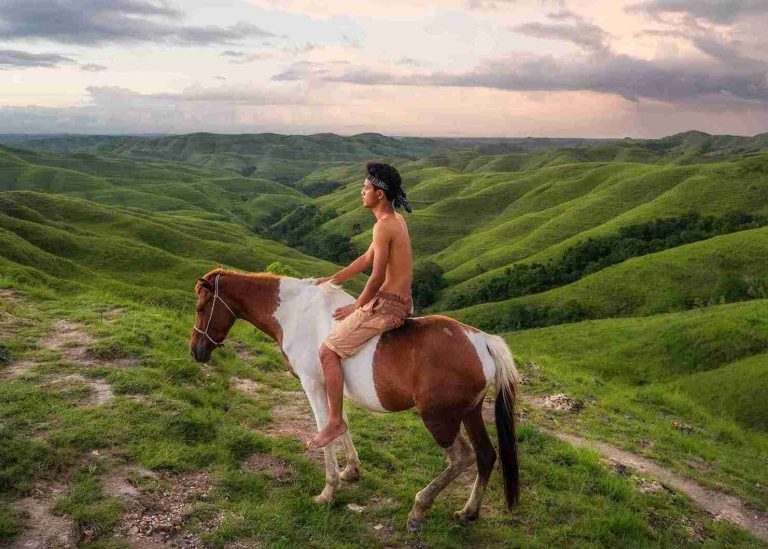
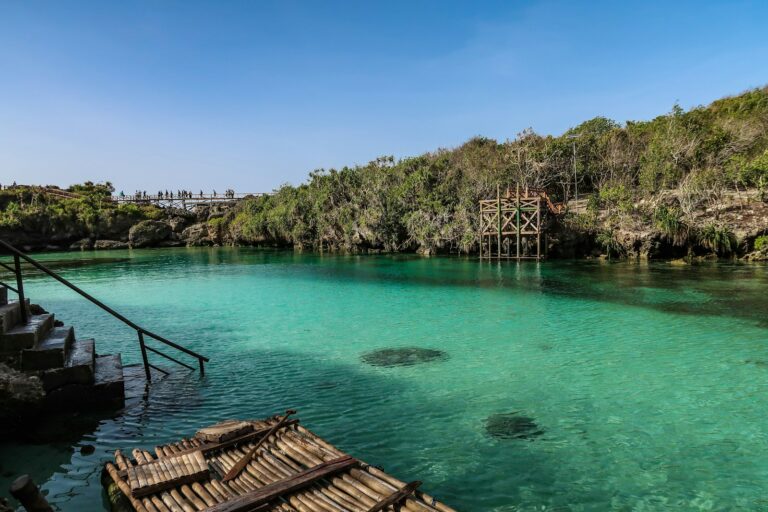
Photography in Sumba: Tips, Ethics & the Best Locations to Shoot
A practical Sumba photography guide covering ethical practices, essential gear, and the best locations like Walakiri, Weekuri, Ratenggaro, and Pasola.
Uncategorized
Konda Lake East Sumba: Birdwatching at Sumba’s Hidden Waterway
Discover Konda Lake East Sumba, a tranquil tidal waterway near Waingapu, ideal for Konda Lake birdwatching and observing Sumba's unique…