
Surfing in Sumba: Pero Beach, Occy’s Left & What Surf Travellers Need to Know
Sumba offers a raw, authentic surfing experience, distinct from the crowded breaks found elsewhere in Indonesia. This **Sumba surfing guide** provides practical, honest insights into the island’s waves, logistics, and what prepared surf travellers need to know before they arrive. From consistent swells to challenging access, Sumba rewards those who come ready for an adventure.
## Understanding Sumba’s Surf Seasons: When to Chase the Swell
Sumba, positioned perfectly in the Indian Ocean, benefits from powerful southern swells, making it a prime destination for surf enthusiasts. Knowing when to visit is crucial for hitting the best waves.
The primary surf season in Sumba aligns with Indonesia’s dry season, typically **April through September**. During these months, consistent groundswells generated in the southern Indian Ocean march towards Sumba’s coast, delivering powerful, well-formed waves. This period offers the most reliable conditions, with offshore winds often grooming the swells into clean, rideable faces. Expect less rain and generally clearer skies, which also makes navigating Sumba’s roads, particularly the laterite sections leading to some surf spots, more manageable.
While April to September is peak season, the shoulders of the dry season—specifically **March and October**—can still offer excellent surfing, sometimes with fewer crowds. The swells might be less consistent than mid-season, but quality waves are certainly possible.
The rainy season, generally **November to March**, sees a shift in wind direction, often bringing onshore winds that can chop up the swell. While local breaks might still offer rideable waves, the conditions are typically less ideal for serious surfing. Furthermore, heavy rains can significantly impact road conditions across the island. As we’ve seen, a road that’s perfectly navigable in the dry season can become a quagmire, or even impassable, after a few days of tropical downpour. For instance, sections of the road to Lapopu Waterfall can become cut off in December, and similar challenges can impact access to more remote surf breaks. If you plan to surf during the rainy season, factor in potential delays and the need for robust 4×4 transport.
## Key Sumba Surf Spots for Every Traveller
Sumba’s coastline is dotted with potential surf breaks, but only a few are widely known and consistently surfed. Here, we focus on the most accessible and notable **Sumba surf spots**.
### Pero Beach Surf: The Accessible Powerhouse
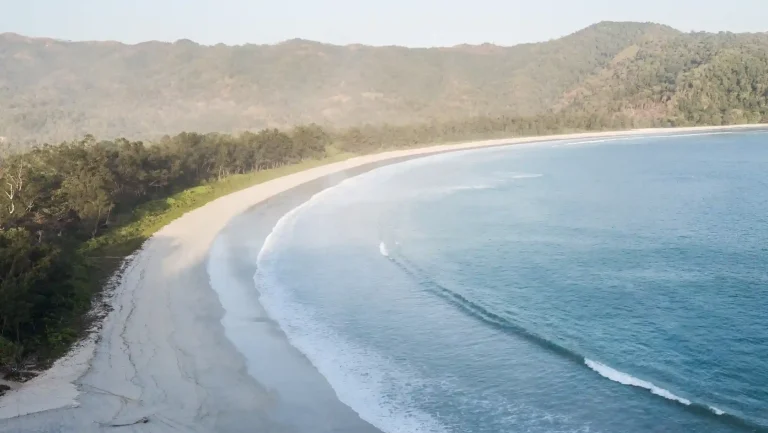
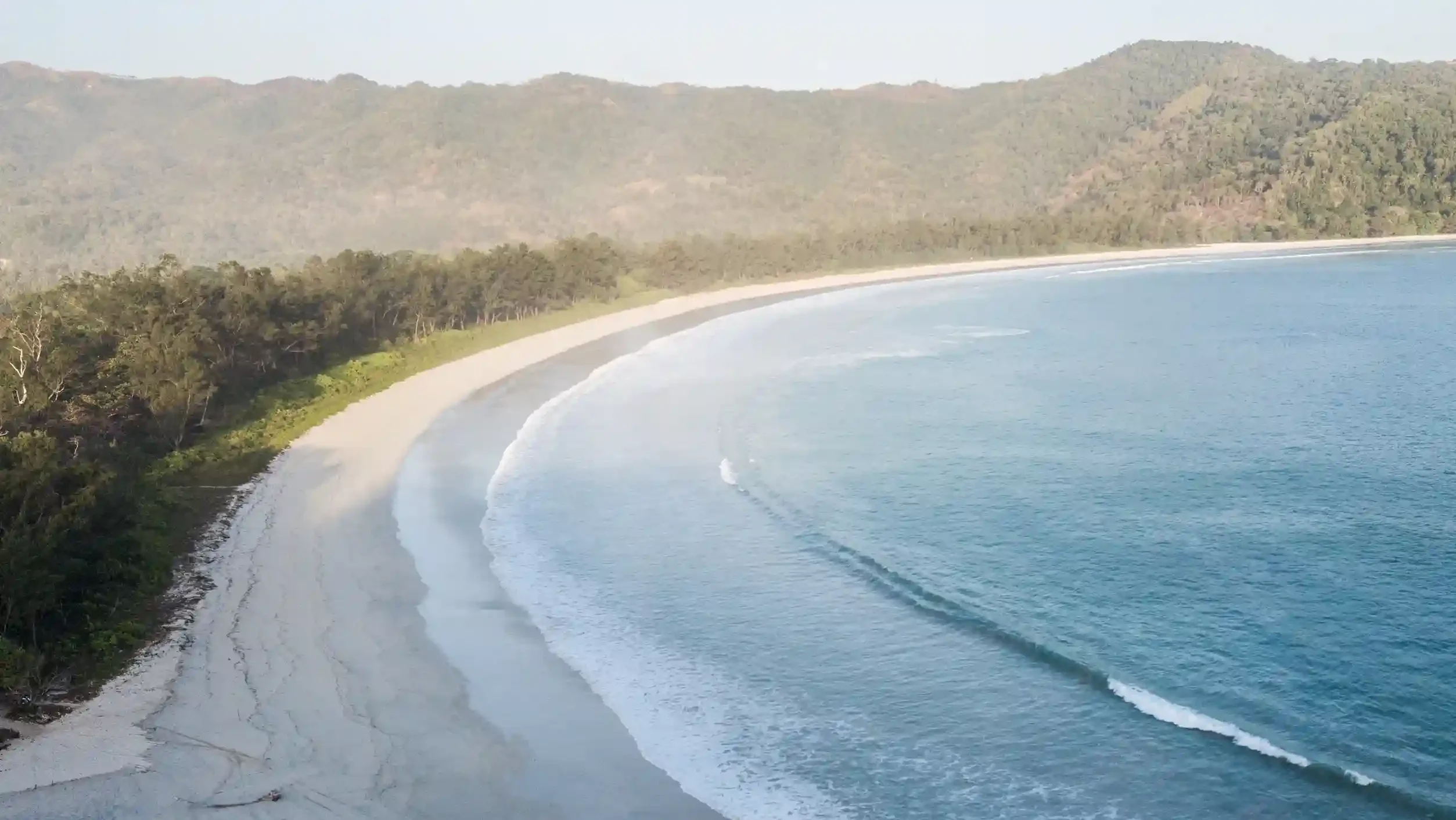
Located on Sumba’s west coast, a drive of approximately 1.5 to 2 hours southwest from Tambolaka Airport (TMC) and near the town of Waikabubak, Pero Beach offers one of the most consistent and accessible **Sumba surf spots** available to non-resort guests. It’s a key location for **surfing West Sumba**.
Pero is renowned for its powerful, often hollow, shore break that directly faces the Indian Ocean. The wave here is typically a fast, challenging left-hander, breaking over a reef and sand bottom. It’s not a beginner wave. The intensity and speed demand an **intermediate to advanced skill level**. Surfers should be comfortable with strong currents, quick take-offs, and potentially heavy wipeouts. Reef booties are highly recommended to protect against cuts from the coral and rocks, especially during lower tides.
The consistency of the swell at Pero Beach makes it a reliable option during the peak season. Even on smaller swell days, the wave can still offer a fun, punchy ride. Because of its accessibility and quality, Pero Beach can attract a small crowd of local and visiting surfers, but it rarely feels overcrowded compared to more famous Indonesian breaks.
The area around Pero Beach is relatively undeveloped, offering a glimpse into traditional Sumba life. You’ll find basic local warungs (small eateries) for refreshments, but don’t expect extensive tourist infrastructure. Respect for the local community and their way of life is paramount.
### Occy’s Left: Exclusive Waves at Nihi Sumba
Further south along the west coast lies the famed **Occy’s Left**, arguably the most well-known wave on Sumba. This break is named after the legendary Australian world champion surfer, Mark ‘Occy’ Occhilupo, who famously surfed here.
Occy’s Left is located directly in front of the Nihi Sumba resort, an award-winning luxury property. This means access to Occy’s Left is **exclusively reserved for guests of Nihi Sumba**. The resort strictly controls the number of surfers in the water at any given time, typically limiting it to 10 surfers per day through a pre-booked system. This ensures a truly uncrowded, premium surf experience, albeit one that comes with the significant investment of a stay at Nihi Sumba.
The wave itself is a long, powerful left-hand reef break, capable of delivering long, carving rides with barrel sections on bigger days. It’s considered a world-class wave, suitable for intermediate to advanced surfers. Nihi Sumba provides expert surf guides, equipment, and boat transfers directly to the break, making it a highly curated and comfortable surf trip for those seeking luxury alongside exceptional waves. For serious surfers prioritising wave quality and exclusivity, and with the budget to match, Nihi Sumba and Occy’s Left represent a unique opportunity for **surfing West Sumba**.
### Exploring Other Sumba Surf Spots: Beyond the Beaten Path
While Pero Beach and Occy’s Left are the main attractions, Sumba’s rugged coastline holds potential for discovering other breaks. Many of these require significant effort, local knowledge, and an adventurous spirit.
Around the Nihi Sumba area, there are other breaks sometimes referred to as “Nihisuci-adjacent” breaks. These are typically smaller, less consistent, or more challenging to access than Occy’s Left. Some can be surfed by Nihi guests depending on conditions, while others might be accessible by boat from nearby villages for those with local connections. These breaks often cater to a wider range of skill levels depending on the swell, but they are not regularly monitored or publicly documented.
Further along the remote stretches of Sumba’s west coast, particularly towards the southwest, lie numerous unchartered or rarely surfed left-handers. These are often powerful reef breaks, exposed to the full force of the Indian Ocean. Reaching them involves navigating rough laterite roads, sometimes requiring a 4×4 vehicle to traverse challenging terrain. Local knowledge is absolutely essential here. Attempting to find and surf these remote breaks without a local guide is not advisable due to hidden reefs, strong currents, and the sheer remoteness from any medical or emergency services. These are true expedition-style surf trips, demanding self-sufficiency and a high level of surfing ability and ocean awareness.
For those eager to discover these more elusive spots, partnering with an experienced local guide or a tour operator that specialises in **surfing West Sumba** and has established local connections is the only sensible approach. Our team at Sumba Private Tour can facilitate these connections and arrange transfers by request, ensuring you have the best chance of finding uncrowded waves safely.
## Preparing for Your Sumba Surf Trip: Logistics, Health & Safety
As our Logistics desk, Health & Safety Editor, our focus is always on ensuring you’re well-prepared for the practical realities of Sumba travel. This island offers incredible rewards, but it demands careful planning, especially for surfing.
### Getting to Sumba: Your Gateway to the Waves
Your surfing adventure in Sumba will almost certainly begin with a flight. Sumba has two main airports: Tambolaka (TMC) in West Sumba and Waingapu (WGP) in East Sumba. For accessing the main surf spots like Pero Beach and Occy’s Left, **Tambolaka (TMC) is your destination**.
Currently, the most common route to Tambolaka is via **Bali’s Ngurah Rai International Airport (DPS)**. Several domestic airlines operate daily flights from Denpasar to Tambolaka. Flight durations are typically around 1 hour and 15 minutes. It’s crucial to book your flights well in advance, especially if you’re travelling during peak surf season (April-September), as seats can fill up quickly. Be sure to check the airline’s baggage policies regarding surfboards, as fees and size restrictions can vary significantly.
### Navigating Sumba’s Roads to the Surf
Once you land at Tambolaka, your journey to the surf spots will involve road travel. Sumba’s infrastructure has improved, with many main arteries now sealed, but expect a mix of road conditions, especially when heading to more remote areas.
* **Tambolaka to Pero Beach:** The drive takes approximately 1.5 to 2 hours, covering both sealed and unsealed laterite roads. While generally navigable, sections can be rough.
* **Tambolaka to Nihi Sumba (Occy’s Left):** This journey is typically around 1 hour and 15 minutes to 1.5 hours on a mix of sealed and private roads. Nihi Sumba provides transfers for its guests.
* **Remote Breaks:** Accessing the more remote, unexplored surf spots on the west coast will almost certainly involve significant stretches of unsealed, rugged laterite roads. These can be particularly challenging, especially during or after rainfall.
**Impact of Seasons:** During the dry season (April-September), laterite roads are generally dusty but passable. However, the rainy season (November-March) presents a different challenge. Heavy rains can turn these unsealed roads into muddy, slippery tracks, or even make them temporarily impassable. We’ve seen how a road to a major attraction like Lapopu Waterfall can be cut off in December due to flooding and mudslides; similar conditions can easily impact access to surf spots. For this reason, we strongly recommend a **4×4 vehicle** for any serious surf exploration, particularly outside of peak dry season. Our tour transfers for surf trips are always arranged with suitable, robust vehicles and experienced local drivers who understand the terrain.
### Essential Gear for Sumba Surfing
Unlike more established surf destinations, Sumba has **no dedicated surf shops in towns like Waikabubak or Waitabula**. This means you must be entirely self-sufficient regarding your surf gear.
* **Bring Your Own Board(s):** This is non-negotiable. Bring at least one, preferably two, boards suitable for powerful reef breaks. Consider a slightly more robust board for Sumba’s conditions.
* **Reef Booties:** Absolutely essential. Many breaks, including Pero, have shallow reef sections. Reef cuts are common and can quickly become infected in the tropics.
* **Leash:** Bring multiple sturdy leashes. A broken leash on a reef break can be a serious problem.
* **Wax:** Tropical wax is a must.
* **Ding Repair Kit:** Minor dings are inevitable. A basic repair kit can save your trip.
* **Sun Protection:** High SPF waterproof sunscreen, a wide-brimmed hat, and a rash guard are critical. The equatorial sun is incredibly strong.
* **First Aid Kit:** A comprehensive kit including antiseptic wipes, bandages, medical tape, pain relievers, anti-diarrhoea medication, and rehydration salts. Pay particular attention to wound care for reef cuts.
### Health & Safety on Sumba: Be Prepared
Sumba is a beautiful but remote island, and proactive health and safety measures are crucial.
* **Malaria:** **Sumba is an endemic malaria zone.** This is not a risk to take lightly.
* **Malaria Prophylaxis:** Consult your doctor well in advance about appropriate antimalarial medication. This is a vital preventative step.
* **Mosquito Protection:** Use high-DEET insect repellent, especially during dawn and dusk. Wear long-sleeved shirts and long trousers in the evenings. Sleep under mosquito nets if available and properly sealed.
* **Reef Cuts and Infections:** As mentioned, reef booties are essential. Even with them, minor cuts can occur. Clean any cut immediately and thoroughly with antiseptic. Monitor for signs of infection (redness, swelling, pus, fever) and seek medical attention if symptoms worsen.
* **Limited Medical Facilities:** This is perhaps the most critical point. Medical facilities on Sumba are basic at best. There are local clinics and small hospitals in Waikabubak and Waitabula, but they lack the advanced equipment, specialist doctors, and emergency response capabilities found in larger cities. For serious injuries, such as severe reef cuts requiring stitches, broken bones, or any major medical emergency, **medical evacuation to Bali or even further afield is often necessary**. Ensure your travel insurance includes comprehensive medical coverage and emergency evacuation. This is not a place to take unnecessary risks with your health.
* **Sunstroke and Dehydration:** Stay hydrated by drinking plenty of bottled water. Avoid direct sun exposure during the hottest parts of the day.
* **Water Safety:** Be aware of strong currents, especially around reef breaks. Always assess conditions before paddling out. If in doubt, don’t go out.
### Respecting Marapu Culture and Local Communities
Sumba is deeply rooted in its ancient animist Marapu culture. When you travel through Sumba, you are a guest in these communities.
* **Dress Modestly:** Especially when visiting villages or interacting with locals outside of the immediate beach area, dress respectfully. Shoulders and knees should generally be covered.
* **Ask Permission:** Always ask for permission before taking photos of people or entering traditional villages.
* **Support Locally:** When possible, support local warungs and businesses.
* **Environmental Responsibility:** Leave no trace. Pack out everything you pack in. Do not disturb marine life or coral reefs.
## Sumba Surf Spots Comparison
To help you decide which **Sumba surf spots** might be right for your trip, here’s a quick comparison:
- Pero Beach Surf
-
- **Location:** West Sumba, near Waikabubak. Approx. 1.5-2 hrs drive from Tambolaka (TMC).
- **Access:** Publicly accessible.
- **Wave Type:** Powerful, hollow left-hand shore break over reef/sand.
- **Skill Level:** Intermediate to advanced. Demands comfort with strong currents and fast take-offs.
- **Crowd Factor:** Can see a small crowd but rarely overcrowded.
- **Amenities:** Basic local warungs. Limited infrastructure.
- **Key Feature:** Consistent swell, raw, authentic Sumba surf experience.
- Occy’s Left
-
- **Location:** West Sumba, within Nihi Sumba resort property. Approx. 1.25-1.5 hrs drive from Tambolaka (TMC).
- **Access:** Exclusively for Nihi Sumba resort guests. Strict daily surfer limit.
- **Wave Type:** Long, powerful left-hand reef break, world-class.
- **Skill Level:** Intermediate to advanced.
- **Crowd Factor:** Highly controlled, uncrowded (max 10 surfers/day).
- **Amenities:** Full luxury resort services, surf guides, equipment.
- **Key Feature:** Exclusive, premium surf experience on a world-class wave.
## Planning Your Sumba Surfing Adventure with Sumba Private Tour
Navigating the logistics of a surf trip to Sumba can be complex, especially if you’re aiming for those harder-to-reach waves or need reliable transport and local guidance. At Sumba Private Tour, we specialise in crafting custom itineraries that blend cultural immersion with your passion for surfing. We can arrange reliable surf transfers to Pero Beach and other accessible spots by request, ensuring you get to the waves safely and efficiently. We also connect you with experienced local guides for exploring more remote breaks.
Ready to trade crowded lineups for uncrowded Sumba barrels? Let us help you plan every detail, from airport transfers to local insights on conditions and cultural etiquette.
Plan your trip now, or reach out via WhatsApp for a personalised consultation. No one can pay to change what we publish; if you proceed with our partner they may pay us a referral fee at no extra cost to you.
### What is the best time of year to surf in Sumba?
The best time for **Sumba surfing** is during the dry season, from April to September. During these months, Sumba receives consistent southern swells and favourable offshore winds, creating ideal conditions for most breaks. The shoulder months of March and October can also offer good waves with fewer crowds, though swell consistency might be lower.
### Do I need to bring my own surfboard and gear to Sumba?
Yes, absolutely. There are no dedicated surf shops or significant rental options for quality surfboards and gear in Sumba, particularly in towns like Waikabubak. You must bring your own surfboard(s), along with essential accessories like multiple leashes, tropical wax, reef booties, and a ding repair kit.
### Is Sumba safe for surfing, considering health and medical facilities?
Sumba offers incredible waves, but it’s crucial to be prepared. The main health concern is malaria, as Sumba is an endemic zone; prophylaxis and rigorous mosquito protection are essential. Reef cuts are common, so reef booties and a comprehensive first aid kit are vital. Medical facilities on Sumba are basic, and for serious injuries or illnesses, medical evacuation to Bali or beyond is often necessary. Ensure you have robust travel insurance covering medical emergencies and evacuation.
### What level of surfer is Sumba suitable for?
Sumba’s primary surf spots, like Pero Beach and Occy’s Left, are generally suited for **intermediate to advanced surfers**. The waves are powerful reef breaks that demand comfort with strong currents, quick take-offs, and potentially hollow sections. While smaller days might offer more manageable conditions, Sumba is not typically a beginner-friendly destination. Exploring remote spots requires a high level of surfing ability and ocean awareness.
## Ready to Ride the Sumba Waves?
Sumba promises a surfing adventure unlike any other – raw, challenging, and profoundly rewarding. With the right preparation, respect for the island, and a sense of adventure, you’ll discover why it’s becoming a sought-after destination for those seeking waves off the beaten path.
Let Sumba Private Tour take the hassle out of planning. We’re here to ensure your focus stays on the waves and the unique culture of Sumba.
Connect with us today to start planning your bespoke Sumba surf trip, or send us a message on WhatsApp.
Keep Reading
Uncategorized
Is Sumba Family-Friendly? Travelling with Children to Sumba Island
Considering a Sumba with family trip? Our editorial desk offers candid advice on safety, malaria, roads, and activities for a…

Uncategorized
Photography in Sumba: Tips, Ethics & the Best Locations to Shoot
A practical Sumba photography guide covering ethical practices, essential gear, and the best locations like Walakiri, Weekuri, Ratenggaro, and Pasola.
Uncategorized
Konda Lake East Sumba: Birdwatching at Sumba’s Hidden Waterway
Discover Konda Lake East Sumba, a tranquil tidal waterway near Waingapu, ideal for Konda Lake birdwatching and observing Sumba's unique…