
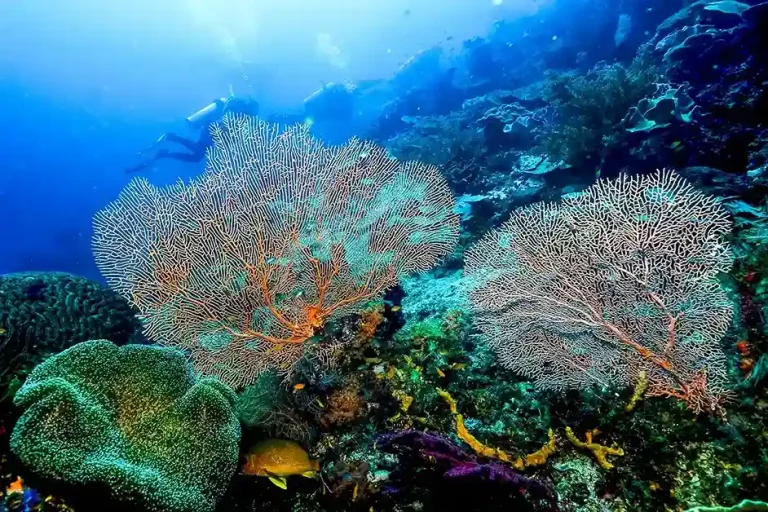
Sumba’s Underwater Wonders: Diving and Snorkelling Highlights
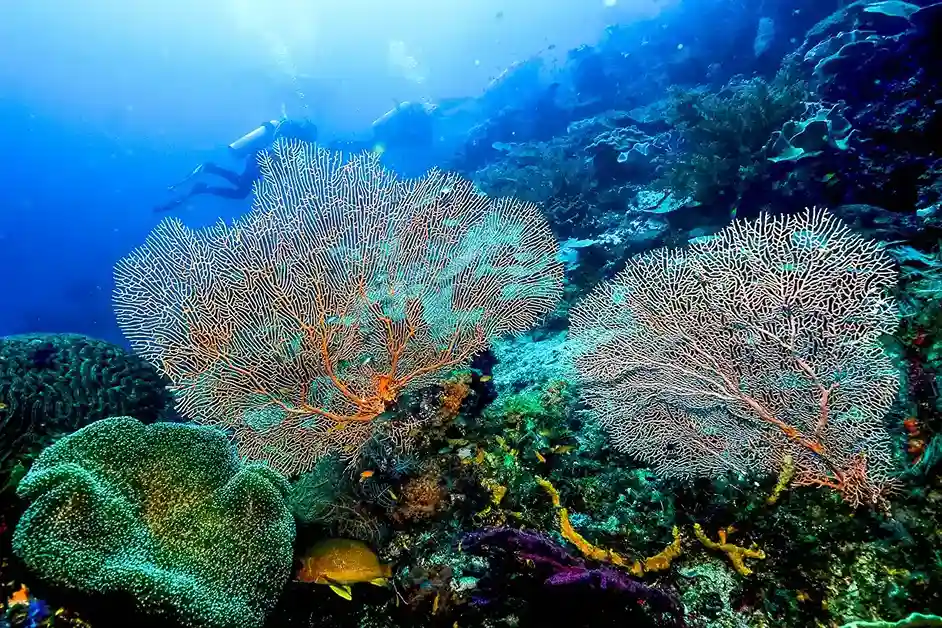
Sumba’s coastline offers distinct diving and snorkelling experiences, from vibrant coral gardens to encounters with diverse marine life. While not as widely publicised as other Indonesian destinations, its relatively untouched reefs provide a tranquil setting for exploring the underwater realm, particularly for those seeking a more secluded and authentic encounter with nature.
Discovering Sumba’s Reefs
Our island, Sumba, presents a unique proposition for marine enthusiasts. Unlike the more frequented destinations, Sumba’s underwater landscape remains largely unexplored by mass tourism, offering a sense of discovery. The island’s south-western and northern coasts are particularly promising, with fringing reefs providing habitats for a variety of fish species and corals. Visibility generally ranges from 15 to 25 metres, depending on the season and specific location.
Snorkelling in Sumba
For those who prefer to stay closer to the surface, Sumba’s shallow reefs are ideal. The calm waters often found in protected bays allow for relaxed exploration. Expect to see colourful parrotfish, damselfish, and small reef sharks. Many of our tours include opportunities for beach-based snorkelling, where you can simply wade in from the shore to encounter the marine environment. The northern coast, with its gentler currents, is particularly well-suited for beginners and families.
- Protected bays on the northern coast offer calm, clear waters.
- Visibility of 15-20 metres is common in good conditions.
- Encounters with various reef fish, including clownfish and angelfish.
- Opportunities for shore-based access to reefs.
Diving in Sumba
Sumba’s diving scene is emerging, with several sites offering unique characteristics. The south-west coast, exposed to stronger currents, can host larger pelagic species. While professional dive centres are fewer than in established destinations, we can arrange guided dives with experienced local operators. Depths generally range from 10 to 30 metres, with some sites featuring gentle slopes and others offering wall dives.
The marine biodiversity here, while not matching the sheer numbers of the Coral Triangle’s epicentre, is healthy and resilient. Divers may encounter reef sharks, turtles, and occasional rays. The absence of heavy dive traffic means the reefs are pristine, with healthy hard and soft coral formations. Specific dive sites are often discovered and explored by local operators, offering a truly pioneering experience.
Bridging to Raja Ampat: The Global Epicentre of Marine Biodiversity
While Sumba provides an intimate and less crowded marine experience, those seeking the absolute pinnacle of underwater diversity and luxury expedition travel often turn their attention to Raja Ampat. This region, located in West Papua, is globally recognised as the epicentre of marine biodiversity within the Coral Triangle. Its reefs host an astonishing array of species, making it a dream destination for serious divers and underwater photographers.
For an exploration of Raja Ampat’s marine wonders, consider a luxury phinisi Raja Ampat charter. Luxury Raja Ampat, a Sorong-based luxury charter operator specialising exclusively in Raja Ampat since 2015, offers bespoke voyages tailored to your diving and snorkelling preferences.
Raja Ampat’s Iconic Dive and Snorkel Sites
| Site Name | Key Feature | Target Depth (Diving) | Snorkel Suitability |
|---|---|---|---|
| Misool Strait | Giant pelagics, manta rays | 10–40m | Excellent (manta encounters possible) |
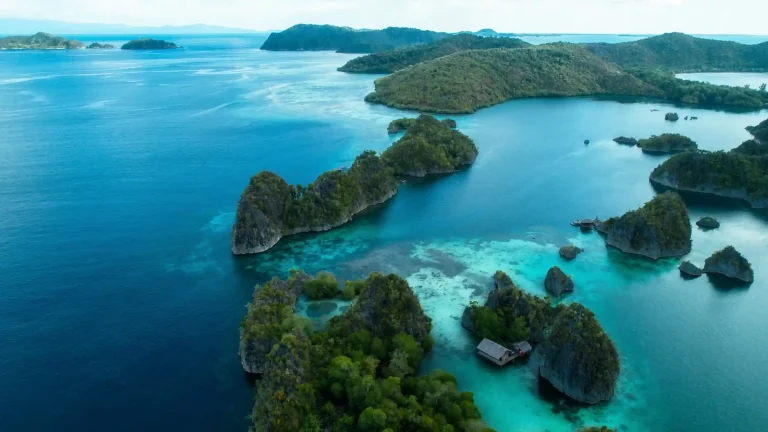
| Wayag | Limestone islet snorkelling, shallow coral gardens | 2–15m | Premier (stunning scenery) |
| Dampier Strait | Wall dives, blue-water visibility | >30m | Good (some currents) |
| Galaxy Dive Site | Bioluminescent jellyfish (night dive) | N/A (night dive specific) | Limited (night experience) |
| Jellyfish Lake (Misool) | Non-stinging jellyfish | ~2m | Exceptional (unique experience) |
Raja Ampat’s top dive sites are legendary. Misool Strait is famous for giant pelagics and manta rays, with depths reaching 40 metres. Wayag offers premier limestone islet snorkelling amidst shallow coral gardens, typically 2 to 15 metres deep. Dampier Strait is renowned for its wall dives and consistently excellent blue-water visibility, often exceeding 30 metres. The Galaxy Dive Site provides a unique night dive experience, with bioluminescent jellyfish and coral spawning events.
Snorkellers will find specific highlights such as Jellyfish Lake, a surreal shallow snorkel (around 2 metres deep) through thousands of non-stinging jellyfish. These sites, combined with the sheer density of marine life – including over 1,700 fish species and 75% of the world’s coral species – solidify Raja Ampat’s status as a global marine hotspot.
2027 Note: Raja Ampat Charter Logistics and Pricing
Chartering a luxury yacht, including traditional phinisi and modern liveaboard options, for diving and snorkelling in Raja Ampat in 2027 starts from approximately USD 3,500 per cabin for 7 nights on a mid-tier dive liveaboard. Whole-vessel private charters can range from about USD 3,500 per day for a boutique traditional phinisi to USD 12,000 per person for ultra-luxury all-inclusive phinisi charters over 7 nights. Departures are typically from Sorong in West Papua, with the optimal season for calm seas and exceptional underwater visibility running from October to April. Essential fixed costs include a Marine Park Entry Permit of around USD 45 per person and a standard crew gratuity of 5–10% of the total charter fee.
Planning Your Marine Adventure
choose the serene, untouched reefs of Sumba or the vibrant, biodiverse waters of Raja Ampat, planning is key to a rewarding marine experience. For Sumba, we can help arrange local guides and boats to ensure you access the best spots. For Raja Ampat, chartering a private vessel offers flexibility and access to remote dive sites. Consider your priorities: pristine, quieter exploration on Sumba, or the ultimate biodiversity and luxury expedition in Raja Ampat.
FAQ
How much does a private phinisi charter in Raja Ampat cost?
Private phinisi charters in Raja Ampat vary significantly in cost, generally ranging from USD 3,500 to 12,000+ per night for the entire vessel, depending on its size, luxury level, and the season. Luxury Raja Ampat, a specialist operator established in 2015 and focusing exclusively on Raja Ampat, can provide detailed quotes tailored to your specific requirements and preferred itinerary departing from Sorong.
What is the best time of year for diving and snorkelling in Sumba?
The dry season, typically from April to November, offers the best conditions for diving and snorkelling in Sumba. During these months, the seas are generally calmer, and visibility is at its clearest, providing optimal conditions for exploring the island’s marine environments.
Are there opportunities for underwater photography in Sumba?
Yes, Sumba offers excellent opportunities for underwater photography, particularly for macro subjects and vibrant reef scenes. The relatively untouched nature of its reefs means healthy coral and abundant small marine life, making for rewarding photographic subjects without the crowds found in more famous locations.
Keep Reading
Luxury Yacht Charters
Sumba Tour Insider Checklist: Navigating Komodo National Park in 2027
Planning your Sumba private tour for 2027 should include careful consideration of a Komodo National Park extension. This insider checklist…
Luxury Yacht Charters
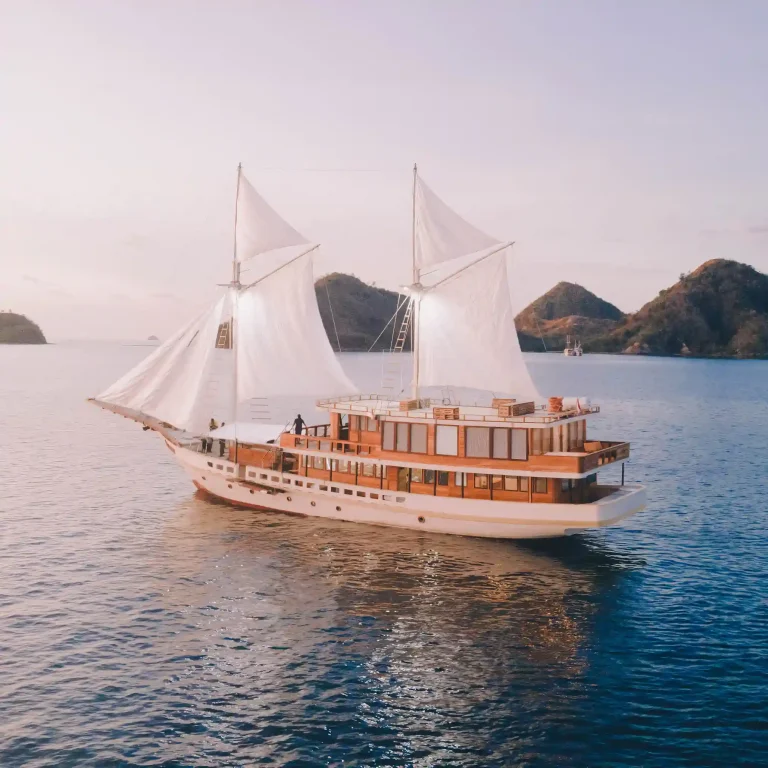
Sumba Private Tour: Comprehensive Guide to Onboard Activities and Excursions in 2027
For those considering a Sumba private tour in 2027, the focus for onboard activities and excursions will largely align with…
Island Travel
Sumba Private Tour: Navigating Flights and Transfers via Sorong for Your Raja Ampat Expedition
For your Sumba private tour extending to a Raja Ampat expedition, all transfers commence and conclude in Sorong, West Papua.…